All foreign travellers visiting Tibetan areas in P.R. China require a valid passport (with minimum 6 months validity from the planned entry date into China) and a Chinese tourist visa. If you plan to visit Central Tibet (Lhasa and beyond), also known as the Tibet Autonomous Region, you will need the assistance of a tour agency to obtain a Tibet Travel Permit (TTP) for you. Here’s what you need to know before entering Tibet.
A Chinese tourist visa needs to be obtained through a visa application process. Contact the Chinese Embassy in your country to get started. A Chinese visa is all that is required for travel in Kham and Amdo Tibet, where some of the most culturally authentic experiences (and few tourists) can be found.
There are now many countries, especially in Europe, for which China has a visa-free entrance. However, the length of visit for travellers from visa-free countries varies, so be sure to check with the Chinese embassy in your country.
You’ll need a Tibet Travel Permit (TTP) to visit sites including Everest, Lhasa and other quintessential destinations in Central Tibet, also known as the Tibet Autonomous Region (TAR).
If you are visiting the TAR, the law also requires you to book a tour with a registered Tibet travel agency and to have a guide accompany you for the duration of your time there. Your tour company will process your TTP for you, as you can’t process it on your own.
You need to confirm your itinerary before your tour company can obtain your TTP, which can take up to four weeks to process.
The tour agency will request a scanned copy of your passport and a scanned copy of your Chinese visa to process your TTP.
Mailing completed permits overseas is prohibited, so your Tibet travel agency will deliver the original permit (not a copy) to your hotel in China, or meet you at the airport with it, as you will need it to enter Tibet.
The original copy of your two-page permit will be checked in your departure city for Tibet, either at the train station or airport, and upon arrival in Lhasa.
Once you arrive in Tibet, your guide will assume responsibility for your TTP and will use it to check you into your hotel, to purchase tickets to tourist attractions and at checkpoints along your route.
Contact us here at Extravagant Yak if you have any questions about getting your permit, what each region has to offer, and anything else you need answered while planning your trip to the Roof of the World.
Contact us today
Travelling Tibet can be a dream for many people, but we often get questions from those who are concerned that they won’t be able to enjoy their experience due to their dietary restrictions. Whether it is a food allergy or a lifestyle choice, a key step in making your Tibetan adventure a reality is to know what your options are.
With cooperation from the locals and a little bit of preparation, food allergies, intolerances, or dietary preferences do not need to stop your adventure. If you are travelling with a guide, it is important to let your guide or tour company know as soon as possible if you have any questions about your specific dietary situation.

Not all of the locals (especially in the more rural areas) are familiar with the idea of allergies, etc., so if you have allergies, you will need to make sure at each meal the right people are aware and understand what you can or cannot eat (your guide, servers & cooks, homestay host, etc.). Be sure you let them know that you don’t want any of *insert particular item*, rather than only wanting less of it.
Continue reading below as we briefly cover some of the common dietary restrictions and preferences.
No problem. A lot of Tibetans are religious vegetarians, so every restaurant will have something for you to eat. Traditional diet relies a lot on potatoes, barley, various cabbages/green leafy vegetables, and yak products (butter, milk, yogurt, cheese). However, due to the elevation of Tibet, the variety of vegetables is a little more restricted in the rural areas, so you may want to pack yourself a few treats just to add a little variety.

Vegans may find travelling in Tibet a little more difficult as the Tibetan diet is heavily reliant on Yak products. When ordering dishes, check that your vegetables and bread do not come pre-buttered. Beans are not traditionally found in the Tibetan diet (although tofu might be available in some of the Chinese dishes), so for your protein sources, you may want to pack some of your own.
In Lhasa and the TAR specifically, the food is influenced by Nepal and other surrounding countries, so here you can enjoy some curries and dhal, etc.. Additionally, some of the Eastern Tibetan regions grow walnuts, making these a common snack served to guests. Vegans will probably also want to skip the yak butter tea, sweet tea, and milk tea, opting for a straight black or green tea instead. Maybe it’s also a good excuse to try the local barley wine!
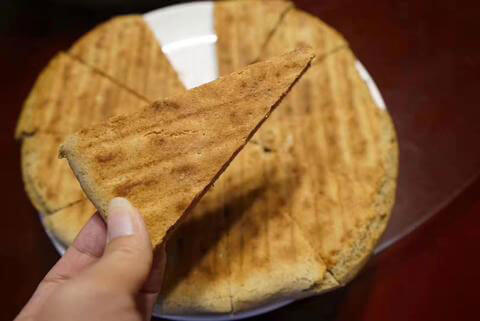
If this is you, it is important to know that barely is a staple of the Tibetan diet. Whether it is tsampa (ground barley powder) for breakfast, tsampa for dessert, or as a snack (Tibetan popcorn!), barely can be eaten at every meal of the day. Thankfully, potatoes are also a staple in the Tibetan diet, and rice is also readily available. Those who are gluten-free will want to stay away from the noodles (thukpa), momos, and flatbread, but that just means you can enjoy more yak meat, lamb, and other vegetable dishes!

If you are dairy-free, you should find a lot of things to eat, but you should also know that the Tibetan diet relies heavily on the use of yak milk. There are several versions of milk tea (yak butter tea, sweet tea, and regular milk tea) that are commonly drunk, although black, green, sea buckthorn or any number of local varieties of tea are also consumed. Additionally, watch for yak butter in your food, yak yogurt (often eaten as a snack or served as a sort of dessert), and yak cheese (which is often eaten with tsampa).
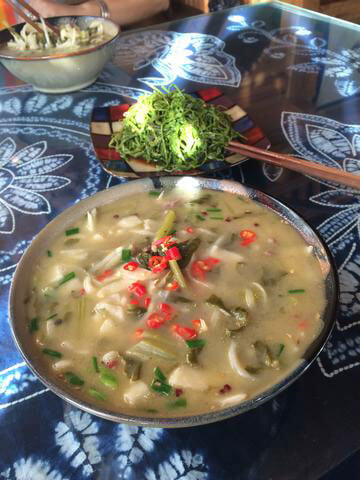
If you have a nut or peanut allergy (especially if it is serious), it will be very important for you to communicate this clearly to your hosts. Walnuts are commonly grown in the Tibetan region, and peanuts and peanut oil are commonly used in cooking (particularly in the Eastern Tibetan regions in Western Sichuan. Sichuan is known in China as the Home of the Peanut!). In some places, yak butter tea includes ground walnuts (for example, Danba area), while in other places you can find ground peanuts (Shangri-la area) in this comfort drink. Peanuts and nuts are also served as a common snack to guests (but this should be obvious when offered to you).
If you require an EpiPen, please make sure you have enough with you for your trip. EpiPen’s are virtually impossible to get in China, and in some areas, the local hospital may not even have epinephrine. If you (or someone you are travelling with) are at risk of going into anaphylactic shock if an allergic reaction were to occur, please make this very clear as soon as possible to your guide or travel company (if you are using one). If this is a concern for you, a good travel company should be able to look into the availability of treatment at the nearest hospital at different points in your itinerary in case of an emergency.
Don’t let food allergies or restrictions stand in the way of your dream trip to Tibet. If you are ready for an adventure, click here to see our upcoming small group tours, or contact us and start a conversation about your dream trip!
As much as we love running custom group tours, we understand that not everyone travels with other people. Whether you use the adventure to get out and meet new people, or just didn’t have friends or family who could join you this time around, sometimes it just makes sense to travel alone.
To start, here are 5 things that can be different when you are traveling alone vs. traveling with others:
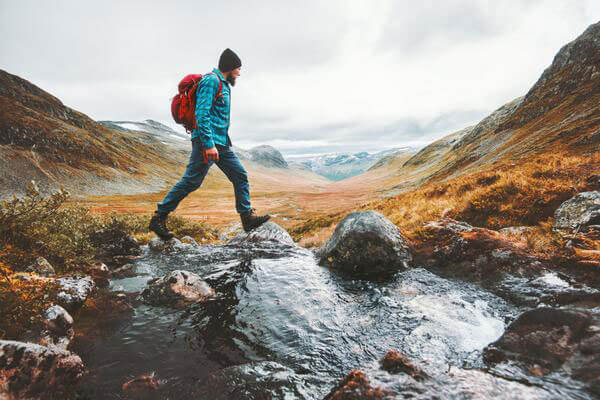
Some people love traveling by themselves for the very reason that they can get away from everyone they know for a while. While you might not have someone to take your photo at every stop, you might just perfect the art of the selfie and lean into traveling by yourself. Being a single traveler can be all the more reason to push yourself out of your comfort zone to engage with those around you whether they are a local or a fellow traveller. Striking up spontaneous conversations along the way is a great way to learn about new cultures (even the one you’re not currently visiting)!
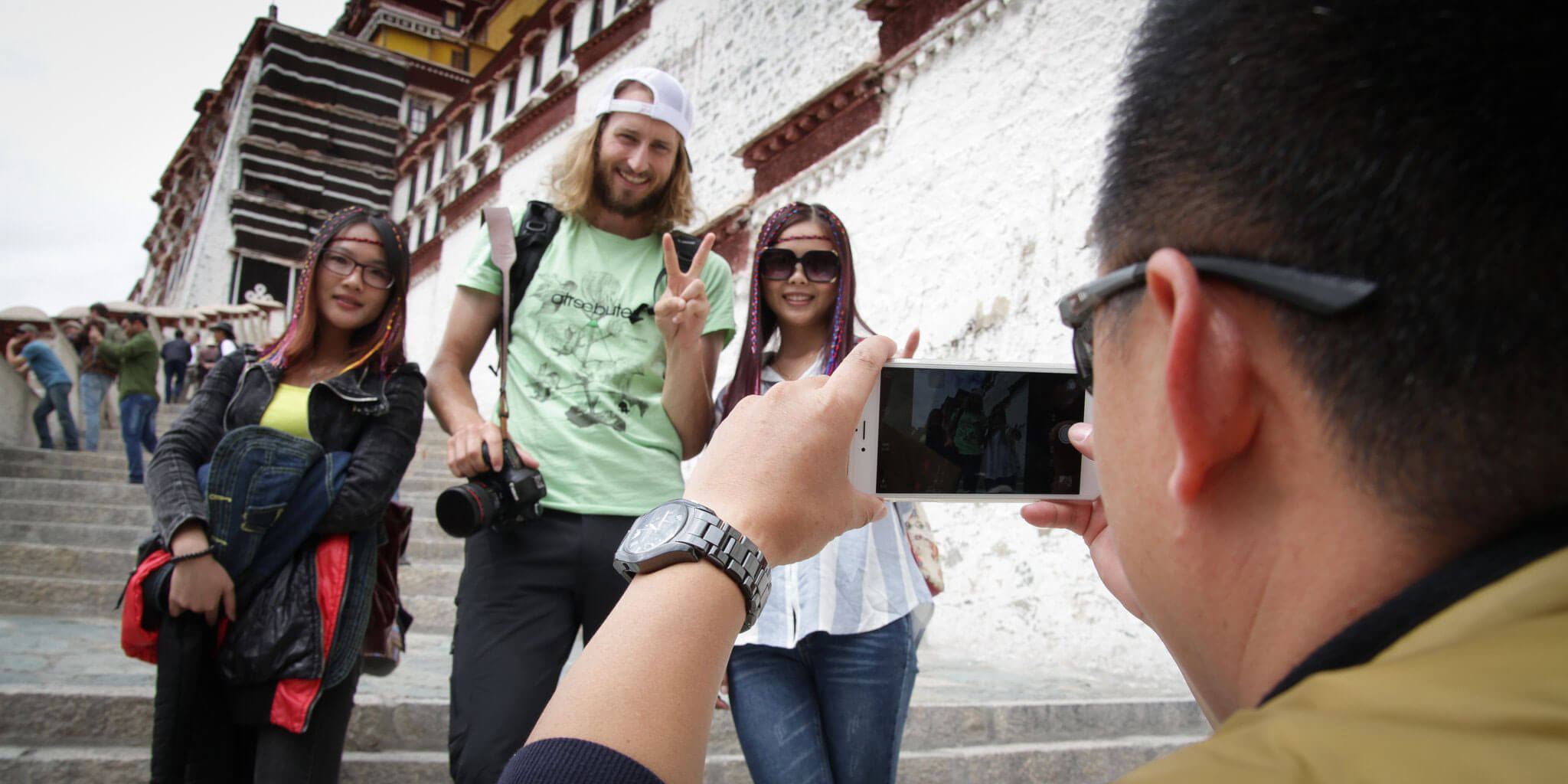
While not everything is more expensive, some things are, and unfortunately, the things you can typically split with other people tend to have bigger price tags attached (such as the cost of hotel rooms, guiding fees, and private transportation). Guided tours for one person can be cost-prohibitive for quite a few people, although in Lhasa and Central Tibet (the TAR), they are required for you to travel there. (Keep reading below for your options!)
If on the other hand, you were planning to stay in a hostel dorm room and take the bus in Kham or Amdo regions (Eastern Tibet), these are conveniently priced per person anyway so there is not really a change to your budget. Even if you decide to “splurge” on nicer accommodations, or a fancy dinner, paying that cost for one instead of for a family of 6 can make a huge difference to your budget.
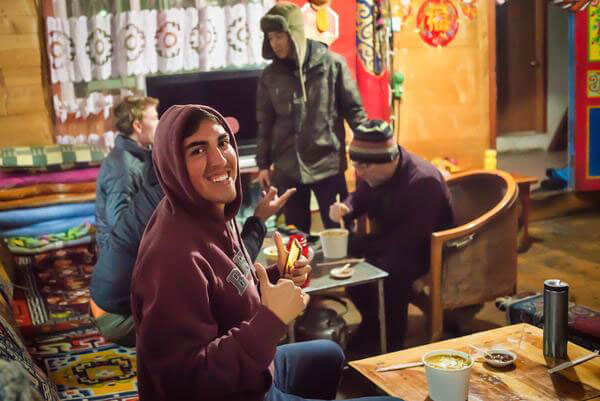
While traveling with others is fun, it’s just different when traveling by yourself. Solo travelers aren’t tied down with the demands or the pace of other people quite the same way. You can choose what you go see, how long you want to linger, and what you want to eat, etc.
If you are in a sharing style restaurant, the upside of having multiple people means that you can order multiple dishes and not feel like you’re going to have too much food while also getting to try a lot of different things. (Here's our list of Top 5 Foods to try in Tibet). For a solo traveler, you can remedy this conundrum by taking the leftovers for later or inviting another few travelers you meet along the road for a meal. Meals are great to share with new friends and a wonderful time to swap stories and collect travel tips about the next place on your bucket list. Alternatively, in Tibet, there are a lot of great restaurants where you can order a bowl of noodles or your own meal that is the perfect size for one person.
As a solo traveler, you can also decide if you just need a day of rest, if you are ready to move on to the next town, how active you want to be, or how much history you want to see, etc. You can plan every detail, or move more freely, and you don’t need to respond to the pressure of other people who might be the opposite of you. Traveling by yourself can increase both your independence and your decision-making skills.
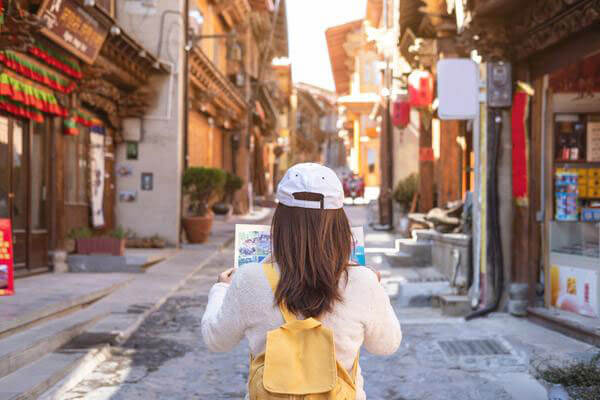
Traveling solo is very doable in many countries, especially if you use English. But, China is not most places. Though you can get around with English fairly easily in large cities— you may occasionally bump into a helpful bystander who studied some English in middle school —once you get off the beaten track in China (i.e. most places in Tibet), English is very rare. So, be prepared to take a useful travel guide book with place names and addresses in Chinese, in case you need to ask that helpful bystander how to get back to your hotel, and a Mandarin phrasebook in case you need to ask where the bathroom is.
While traveling in a group does not guarantee your safety and protection, solo travellers need to be aware of their own personal safety at all times. Just as a busy family with kids and luggage to take care of can be a prime opportunity for pickpockets because they are distracted, traveling by yourself means you need to take extra precautions with your own safety. It’s wise to let at least one person (even at home) know where you are going, how long you expect to be there for, and what you are doing, etc. Females in particular (regardless of who they are traveling with) should opt for wearing modest clothing, (especially in monasteries/holy places and more rural areas) to both be respectful and to not draw attention to themselves.

With those five things considered, if traveling by yourself is still the best option for you, you have one further choice as you start your planning. Note: if you are planning to travel to Central Tibet (TAR), foreigners must be accompanied by a tour guide (see option # 2 or 3).
Unlike the TAR which requires travellers to be accompanied by a tour guide, visiting Amdo or Kham Tibetan areas gives you the choice of being completely unassisted in your travels. This is a great option for those with a very flexible schedule and who are looking to save money as they go (for example, backpackers, etc.). Check out our list of Eastern Tibet's "must sees" from local guides.
For those that are more interested in having an experienced tour guide show you around and take care of all the details, booking a custom private tour could make the most sense for you so that you get to see and do everything you want to. This is typically the most expensive option, but the most customizable to your needs and wants. (Talk to us about a private tour here.)
For some solo travellers, it might still make sense to travel with a group. This is a great option for those who want to go to Central Tibet (TAR), but don’t want to pay for custom trip expenses by themselves, or for those who don’t want to travel by themselves (whether in Central or Eastern Tibet). Open group tours are a great place to meet other likeminded travellers, can include people from multiple countries, and typically offer both structured group time, and free time to relax by yourself.

Interested in a small group tour?
Our small group tours typically range in size between 4-12 people. Click here to see our upcoming tour dates that you can join right now, or click here to talk to us about your solo traveling dreams.
When travelling in Tibet there are a few things you’ll want to remember about budgeting. One of the first things that will impact your budget is whether you are travelling to Central or Eastern Tibet (Kham or Amdo regions).
Travelling in Eastern Tibet, foreigners are allowed to travel freely by themselves, so it’s important to remember to budget for every part of the experience. On the other hand, in Central Tibet (the Tibet Autonomous Region) foreigners will need to use a tour company to help them plan their travel. For these travellers, it will be important to find out what is included in their tour package for the price they are paying (accommodation, guide, transportation, meals, etc.), and what else they will need to pay for themselves.
Nobody wants to come back from a trip having spent more than they expected! Conversely, nobody wants to feel like they missed out on an adventure because they were held back by their bank account! Effective pre-planning and budgeting can set you up to have a smooth and as surprise-free trip as possible.

Accommodation in Tibet comes in varying levels. A hostel dorm room bed could start at ¥50 RMB/person/night, while a high-end hotel could reach ¥1000 RMB/night. Knowing what type of traveller you are, and what level of comfort you are willing to pay for is important to your budgeting process.

Getting from A to B can be one of the biggest parts of your budget. Depending on the size of your group and how you want to travel from place to place will determine how much you will need to spend on transportation. It’s important to remember, for your own safety, to make sure you are travelling with a commercially licensed mode of transportation. (Also remember elevation when planning transportation. Don’t rush your acclimatization just to save money – it could be dangerous! Read more about acclimatization here.)
A private vehicle and driver can start at ¥1000 RMB/day (for example, a 7 passenger mini-van). Alternative options in Eastern Tibet for people travelling by themselves are buses (or paying for a seat in a private vehicle travelling between your locations). Buses run between the larger cities and towns daily and can be ¥100-300 RMB per ticket. Alternatively, the Tibetan areas are home to some of the highest airports on the planet, so it could be worth the time and money you save by getting to your destination a little quicker.
In Central Tibet, a flight between Chengdu and Lhasa is roughly ¥3,500 RMB making this one of the most expensive domestic flights within Asia. From this point on, your tour package will likely include all of your transportation.
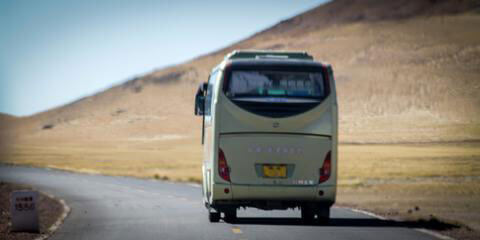

Daily guiding fees vary a little bit depending on the type of guide you are employing. A guide to take you around a monastery or museum might only be ¥200-300 RMB for a few hours, but an experienced tour guide to accompany you for your journey could be ¥800 RMB/day.
A note on finding the right guide: wherever you are travelling, please keep in mind living wages when it comes to guides, drivers, etc.. If it feels too cheap, it probably is. When we started Extravagant Yak we noticed a trend where really good guides were leaving the industry a few years down the line because as much as they loved sharing their culture, they couldn’t afford to support their family on the income. We are a big believer in paying people what they are worth so they can grow old doing what they love!

Think about what you are planning to do and see while in Tibet. There are lots of beautiful national parks, monasteries, and even grasslands to visit, but some of them come with a price tag. Even if it’s only ¥10 or ¥20 RMB, if there are 5 people in your group, that can still add up. For some of the more well-known attractions, see if you can find out the actual price tag in advance.
Want some inspiration? See our blog: The Most Beautiful Places to Visit in Tibet.
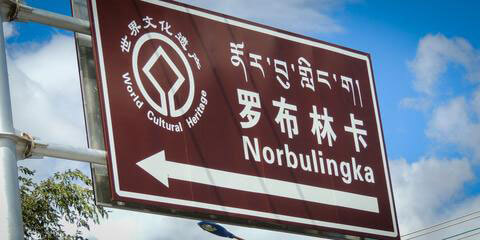

Are you trying to maximize your budget and eat as cheaply as possible, or are you on holiday and ready to splurge? Do you enjoy eating your way around a culture, or do you prefer food that is as close to your normal diet as possible? Do you like buying snacks for the road, or nice drinks from a coffee shop (where available)?
Deciding what type of food traveller you are, will help you set a realistic food budget. Western food typically costs the equivalent western prices (especially if it will use imported products), while local food tends to be a lot cheaper. Even with local food, the price will differ significantly depending on whether you are in a high-end restaurant, tourist hotspot, or a hole in the wall Mom & Pop shop. A “fancy drink” (like an Americano coffee, milkshake, etc.) is often more than a bowl of noodles, but a bottle of pop/soda or water is typically ¥3-5 RMB. If you want to eat at a nicer restaurant or order a drink with every meal, budgeting ¥200-300 RMB per day is a great place to start (and can be adjusted according to your personal preferences).
Speaking of food, read about the Top 5 Foods You Must Try in Tibet.

If you are entering Central Tibet, you will need a Tibet Travel Permit (TTP). TTPs are issued to groups of people entering the Tibet Autonomous Region (TAR), although the application will be processed by the tour company you hire. TTP applications are a group cost (although a group can be as small as a single traveller), so expect to pay your share of this fee at some point, but it is usually included in your tour package price.
Read about How to Get a Tibet Travel Permit.


As with any trip, remember to budget for travel insurance. Even if you are already covered by a worldwide policy, read the fine print to make sure it covers any activities you will be doing (hiking, etc.), high elevation (some insurance policies don't cover above 3000m), and China and/or Tibet (also a common exclusion). Additionally, (especially if you are heading to a remote location) check to make sure medical evacuation is covered because for something serious the nearest medical facility could require air ambulance out.

Cash gifts for services are not expected at any restaurants in Tibet, nor at most hotels. Four- and five-star hotels are an exception to this, but tips are certainly not expected at smaller hostels and hotels. At the end of your tour, a tip for good service to your tour guide and driver is welcome, though not expected. If you consider your guide’s service to be exceptional, a gift of ¥200 RMB per day is a very generous tip. If you are happy with the guide’s service, a gift of ¥120 RMB per day tip is still good. As for the driver, a ¥60 RMB per day tip is more than enough to make their day.


Similar to travel insurance, while no one ever wants to expect something to go wrong, sometimes things just do. Maybe you have to spend an extra night at a more expensive hotel, or you just need to buy a little cough medicine, whatever it is, unexpected expenses can crop up. (Heck, we’ve even seen guests rip their only pair of pants resulting in an emergency shopping trip!). You might choose to budget a monetary amount (for example, ¥500 RMB/person), or add 10% to your budget. Whatever it is, putting something aside for the unexpected is wise. If you return home with that money still in your pocket, consider it the start of your budget for your next trip – bonus!

This is one of the categories that can vary the most. Knowing ahead of time if you are bringing a little gift back for 1 special person or 25 can affect your budget. Will you want one nice thing to remember the trip by (i.e. a Tibetan dress, fine jewellery, artwork, etc.) or are you more satisfied with multiple little things (i.e. keychains, teaspoons, a bag, etc.)? Your spending in this area is completely up to you!
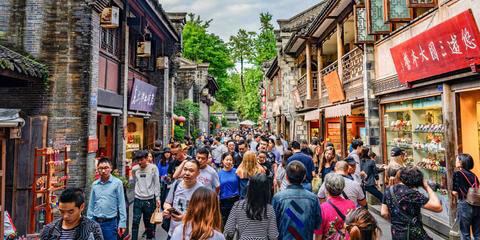
Keep in mind what type of traveller you are. If you are easily overwhelmed by crowds and new cultures, planning to take the bus all around Eastern Tibet might leave you feeling exhausted and unenthused for the rest of your trip. Or, if you know you are not a very adventurous eater at breakfast time, choosing a homestay that only serves local food might make you feel like you are starting the day off on the wrong foot. Be honest with yourself about what you level of creature comforts you require, and budget for that. Saving money in the wrong places could lead to regretting the trip entirely (which means you didn't really save money, right?). Don't let your budget make or break your dream trip to Tibet. Even if it means waiting (and saving) a little longer, it'll be worth it!
Ready to start planning?
If you are ready to plan a trip to Tibet, talk to us about a tour. We love taking care of the details for our clients to give them peace of mind while taking them on the adventure of a lifetime!
People often have questions about how they can avoid altitude sickness while travelling in Tibet. While altitude affects everyone a little differently, in the last 1000 clients we’ve only had two people who have needed to be evacuated to lower elevation due to the severity of their symptoms.
To start, knowing what symptoms to look for is important. Symptoms range from minor and normal, to severe and life-threatening.
Here are some of the common symptoms that are normal when acclimatizing to high elevation:
While you might not experience all of these when you travel to a higher elevation, it is very likely that you will experience at least one of (or a combination of) these things.
Serious symptoms that require close monitoring, and may need immediate medical treatment include:
Serious symptoms should be monitored closely! These symptoms warrant seeking medical treatment, and if very severe, getting to a lower elevation immediately will likely be the best course of action.

It’s important to know that even if you have been to altitude before, your body’s response can be completely different from trip to trip. Additionally, those who consider themselves “fit” often don’t think that they will feel the altitude as bad as other people, so they don’t really take their guide’s warnings and advice seriously (resulting in their own discomfort).
Altitude doesn’t discriminate. Remember, it’s not a competition. Altitude isn’t impressed by how many mountains you have climbed, or how many marathons you have run (or haven't climbed or run). Have patience with your body when travelling to high elevation. For your own sake: take it slow.
While altitude sickness is not a joke, the body is amazing at adjusting, and typically will adjust to the elevation in 1-3 days. To help you prepare for a trip to Tibet, here are our best tips for acclimatization:

While there is a lot to see and do in Tibet, as you travel higher, make sure you give your body enough time to adjust before you continue on. Typically, once you get above 3000m, it is not recommended to gain more than 300m elevation gain in a day (measured from between your sleeping locations – it’s okay if you are going up over a mountain pass, but sleep lower again). While there is often a focal point of where to “get to” on a trip, enjoy the journey, and use the proper acclimatization time to explore the culture along the way!
Talk with your doctor about any health concerns you might have, and if they would recommend taking preventative medication during the trip. If you do choose to take medication (or just keep it on hand), discussing it with a medical professional is important to make sure that your particular medication is right for you.
Note: if you have a history of heart or respiratory issues, are a senior, are pregnant, or have children travelling with you under the age of 5, be sure to consult with your doctor before planning your trip.

Drink lots and lots of water! If there is a key to alleviating altitude discomfort as much as possible, this is it. Keep your fluid levels high to help your body adjust to the elevation, and make sure you are not confusing symptoms with simple dehydration. As you drive, fly, or climb higher, drink water en route so that your body is well prepared when you reach the highest point. Yes, you’ll need to use the bathroom more frequently, but this is just another excuse to pull off and explore the village rest stops along the way – you’re in Tibet, it’s part of the fun!

You might be fit at sea level, but when adjusting to a higher elevation, it is common to feel your heart thump in your chest just from climbing a flight of stairs! To avoid huffing and puffing everywhere, move a little slower than usual in your first day or two. Take particular care when making any sudden movements or getting up from a sitting or squatting position. Your heart needs to pump a little harder to get the blood to your head, so go easy on yourself!
Similar to fighting dehydration with a lot of water, don’t compound the problem by drinking alcohol or caffeine as you adjust. If you absolutely need your caffeine, at least limit your intake, and try to skip the first day.

Overall, just breathe. Relax. Stay calm. Breathe deeply and steadily as opposed to quick shallow breaths. Travellers who are nervous about the altitude can become even more anxious at the first hint of symptoms. If you think you are starting to have symptoms, monitor them, tell your guide and/or travel companions, but do your best to rest and stay calm.
Of course, if you are displaying serious symptoms, getting medical help and evacuation to lower elevation may be necessary. While altitude sickness can be serious, following the previous few tips can lower your risk of experiencing major problems, and make your trip to Tibet even more enjoyable!
If you are ready to have your breath taken away by the stunning culture, scenery, and people that make up Tibet, let's start a conversation. Shoot us a quick message and we'd be happy to help you plan the perfect trip.
Part of the beauty of travel lies in the spontaneity and the unexpected, though this sometimes means encountering a travel hiccup or two whether you’re a seasoned globetrotter or first-time traveller. That’s why we’ve shared 8 common travel mistakes and some precautionary measures you can take to make the most out of your trip to the Roof of the World:

Tibet’s geography is vast, and there are often misconceptions on which regions are considered part of Tibet. The region(s) you travel to can affect the type of travel documentation required as well as the months of the year that you can visit.
For example, Central Tibet offers beautiful views of peach blossoms in the springtime, but is closed to foreign travellers between February and March. For more on regional differences and what each geographic area has to offer, check out Tibetpedia!

While foreigners are able to travel independently through Kham and Amdo regions of Eastern Tibet, venturing into the T.A.R. (Tibetan Autonomous Region) will require all foreign visitors to have a Tibet Travel Permit and be accompanied by a licensed guide. It’s through your tour operator that you’ll acquire the travel documents necessary for your travels.
Foreigners visiting any Tibetan area will need to have a valid Chinese visa. A visa can typically be processed 2-3 months in advance of your trip, and usually takes 5 working days to be approved. However, visa application procedures currently vary from country to country, so consult your country’s Chinese consulate for full details.
For those visiting the T.A.R., additional travel permits are required, so be sure to factor this into your timeline when planning your trip. A Tibet Travel Permit (TTP) is to be obtained by your Chinese travel company and can take up to 4 weeks to process, but your visa needs to have been approved first. To avoid any travel permit-related stress, set aside ample time to process your permits!

Venturing to Tibet does take time, so remember to factor in how long it takes for you to make your way to the Roof of the World. Here are some of the ways you can get to Tibet:

Another common misconception is that Tibet travel is limited to April through October. Eastern Tibet, for example, is accessible year-round aside from certain roads and mountain passes. The time of year you visit will also influence the activities and experiences you include in your itinerary, so it does pay off to do some research on the activities and experiences you’re interested in.

Before your trip to Tibet, check the news for any changes that might affect you like weather updates, road closures, and travel advisories. Check for seasonal weather conditions so that you pack weather-appropriate clothes. It’s also helpful to have a backup plan in case things like unexpected weather affect your route.

Don’t forget to add acclimatization time into your itinerary when travelling to Tibet. After all, Tibet is called the Roof of the World! Ascend slowly and stay well rested, fed, and hydrated — this will help mitigate any discomforts that may come with travelling at a higher elevation. If you have any other concerns, talk to your doctor before you travel.

And finally — don’t forget the little details like preparing for any special dietary needs and preparing a few creature comforts to make your trip more enjoyable. Check with your bank to see if your payment card is accepted at foreign ATMs. Paying by debit/credit card is not widely available (even in bigger cities), so carrying local currency is always best.
While you can't always anticipate everything that will happen on a trip, keeping these tips in mind will help your trip go smoothly so you can focus on experiencing all that Tibet has to offer.
We’re always here to help you make your dream trip a reality, so drop us a message and let's get planning!
“China Closes its Everest Base Camp to Tourists” - this is typical of the headlines that have been splashed across global news channels over the past couple of weeks. While it sounds like foreign travellers will be blocked from going to Everest in 2019, this is not what is happening. There are changes at Everest in 2019, but they do not affect the view of the mountain offered to travellers, and these changes are for the better of the mountain.
The reality is that the actual base camp for climbers has always been restricted to all but those who have an Everest climbing permit. This means the furthest that regular tourists were permitted to overnight previously was at the “tent hotels” - a small seasonal camp of yak wool tents set up by local Tibetans. This camp has traditionally been located about 3km beyond Rongbuk Monastery (chinese, Rongphu Si), near Dza Rongbuk Hermitage, but still several kilometers from the climber's base camp.
These tent hotels hosted travellers for hot tea, provided simple local food, and further offered accommodation to those who wished to overnight. From the tent hotel location, a park bus was provided to carry tourists a further 2km up the valley to the closest viewpoint non-climbers could access.
The furthest point that tourists can go in 2019 is Rongbuk Monastery. For many travellers, Rongbuk Monastery offers their favourite view of the mountain. A short walk up the hillside near the monastery offers the iconic view of Everest’s north face with the monastery in the foreground. Most people would say that the panoramic view from this spot is as good as anywhere else in the valley, and some would argue that this location offers the best all round view of the mountain.
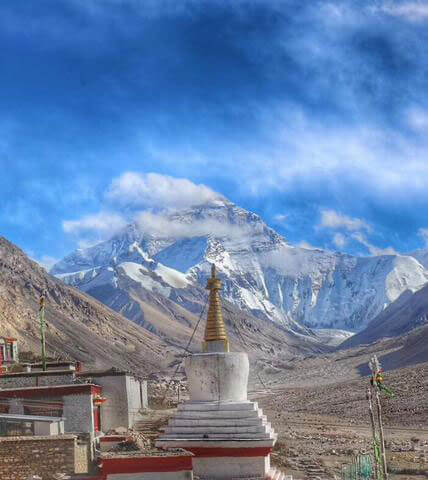
As described above, the further 5km step past Rongbuk Monastery to the “tent hotels” and the viewpoint beyond will not be permitted in 2019. However, the stunning views of Everest from the monastery are at least as good as the views further up the valley.
The good news is that the local government is implementing a massive clean up project at Everest. This overdue project began in 2018 with tonnes of waste being hauled away, and will continue in 2019. This massive clean up effort will proceed further up the mountain to even include removing the remains of climbers who have died in the Death Zone.
Everest climbing permits for the 2019 season are being restricted to 300. Eco-friendly toilets are being planned for the future, along with better garbage disposal, and even a seasonal medical clinic to serve tourists. No one would disagree that better management of the natural environment around Everest is in the best interest of everyone.
Questions?
We're here to help! Our team is on the ground in Tibet and we're happy to answer any questions you may have.
Springtime cherry blossoms in Japan; winter skiing in the Swiss Alps – these are just a few iconic examples of how the changing of the seasons play an important role in travel plans.
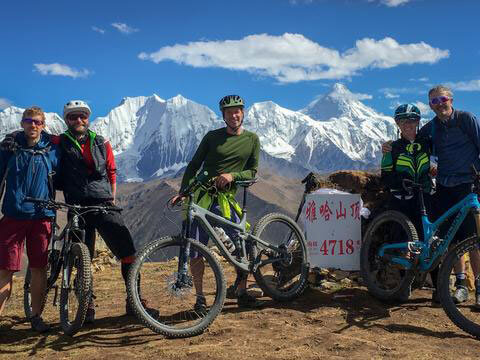
Travelling to the Roof of the World is no different. From summer mountain biking on the back side of Yala Mountain, to witnessing the annual Saka Dawa festival in the spring, the season in which you visit Tibet can influence the activities and experiences you’ll include in your travel itinerary.
Here’s a rundown of how Tibet travel differs across the seasons and some insider recommendations on the best times of year to visit to satisfy your interests.
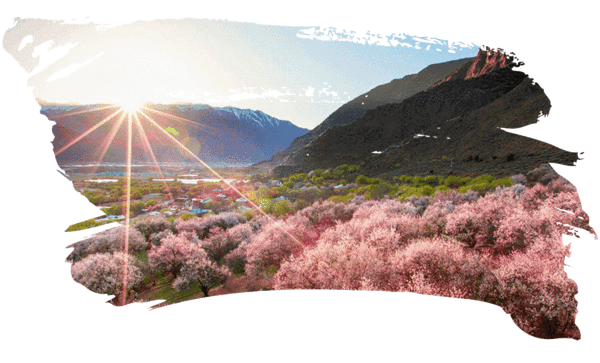
Central Tibet reopens to foreigners in early April to the commencement of peak travel season, which then runs all the way till end of October.
Springtime is an extremely popular time to visit Tibet as temperatures are mild and there is little rain. These conditions allow for spectacular views of the Himalaya range and are why May is the peak season for climbers to attempt Everest.
Spring is also a good time to take in the region’s other natural wonders including the peach blossoms in full bloom near Linzhi and the pristine Yamdrok Lake.
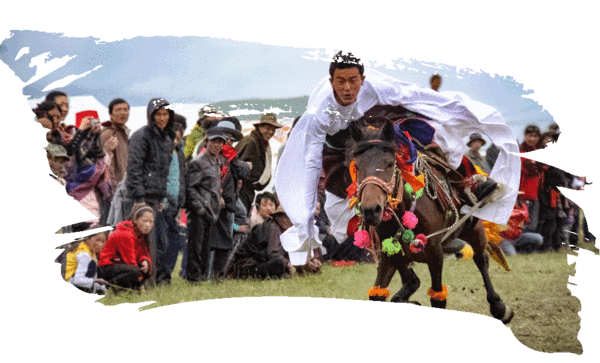
Summer is the busiest travel season, and it’s easy to see why: the warm weather makes for easy travel and transport, and the air has a higher oxygen content, making it easier for foreigners to acclimatize and lessening their chance of altitude sickness.
There are also a wide variety of cultural events that take place, including Sho Dun Festival, Ganden Thangka Festival, and many Horse Festivals. The Tagong horse festival in particular, is a sight to behold and a highlight for many Extravagant Yak tourists. During this annual celebration, thousands of local herdsmen participate in horse races as spectators cheer on and celebrate with games, singing, and dancing.
Monsoon season begins mid-June and usually runs till August, which means these months are generally cloudier. If you’re trekking in the mountains during monsoon months you may not get clear, panoramic views. However, this is also the time when the alpine flowers bloom and the mountains are lush with greenery.
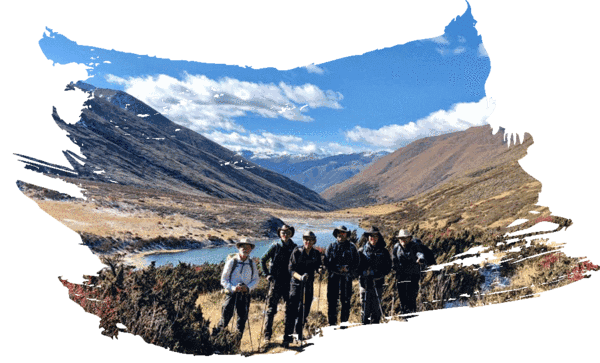
Come autumn, sweeping foliage transforms the region into a stunning landscape of red and gold hues. Rainfall decreases in September and the weather generally remains pleasant throughout October. These make for excellent hiking conditions, so if you’d like to fit some trekking in to your travels, this is a great season to do so! Some of our guests’ favorites include trekking the Minya Konka and exploring the Ambalay grasslands while enjoying an Eastern Tibet Nomad Experience.
The autumn season also brings the harvest festival, a celebration of the year’s crop harvest. Join the locals and participate in the potato and highland barley harvest in Kham (Eastern) Tibet.
From November onwards, the weather starts to cool down, and the peak travel season tapers off.
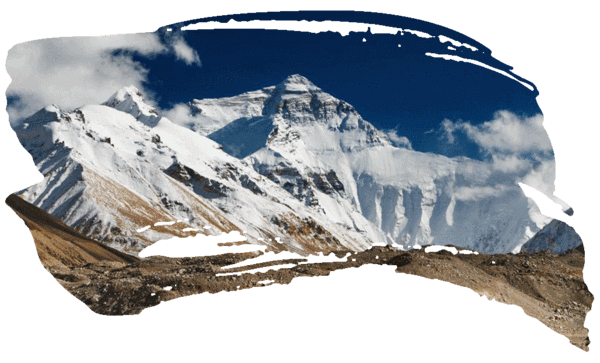
Very few people visit Tibet in winter, making this a good time to visit if you’re looking to avoid tourist crowds. Thrifty travellers can take advantage of low season rates, as hotel prices and entry to many locations are also heavily discounted. This also means that fewer group tours are available, so private tours are a good option to consider!
The weather during the winter months is typically dry, sunny and very cold. Most places (including Everest Base Camp) can still be visited, with the sunny weather usually allowing for clear views from Everest Base Camp. However, destinations including Nam Tso Lake, Mt Kailash and other trekking routes may have limited or no access depending on snowfall.
It is important to remember that Central Tibet, where Lhasa and Mount Everest are located, is closed to foreign tourists annually in February and March, so be sure to plan accordingly!
One more thing: When planning your visit to Tibet, remember to factor in VISA processing times. Check out this article to learn all you need to about how to get a Tibet travel permit.
While there’s no bad time for a trip to the Roof of the World, keep these considerations in mind to ensure that you visit all your bucket list destinations and make the most out of your trip.
And on that note, let’s get planning!
We’re here to help you build the itinerary of a lifetime. Get in touch with us with your travel wish list.
Everest. It’s a household name and an icon of the belief that all things are possible. Are you looking to join the exclusive group of people who have beheld the highest point on planet earth? We’ve compiled our top ten tips gained from introducing over 1,000 travelers to Tibet's most iconic destinations.
Late April and May are the best times to view Everest’s peak in the spring. October to early November are the peak viewing months in the fall. You'll want to avoid making travel plans for February and March as Tibet is closed to foreigners at this time. While it’s possible to travel in winter (November-January), which typically has crystal clear skies, the weather is very COLD. The bonus of visiting Tibet in winter is you will encounter very little tourism traffic.
Most people experience minor symptoms of high altitude (headaches, shortness of breath, and trouble sleeping). To mitigate these symptoms, we recommend spending a couple of days in Lhasa to acclimatize before beginning your journey to higher elevations at Everest. Consult your doctor if you have heart-related issues, high blood pressure, or are pregnant.
Lhasa is the main port of entry for foreign tourists visiting Everest Base Camp on the Tibetan side. The journey along the Old Friendship Highway is around 800 km and takes roughy two days to drive. It's well worth it! You will pass many photo-worthy sights before standing face to face with this unparalleled mountain. Enjoy sweeping views of quintessential scenic Tibet like the turquoise waters of mystical Yamdrok Lake and Karola Glacier. You can also visit Tashilhungpo Monastery and the ancient Tibetan fortress in New Tingri.

Regardless of season, it’s always chilly at Everest Base Camp. Remember, it’s 5,200 meters (17,000+feet) above sea level. Temperatures range between highs around 5 degrees Celsius and average lows of negative 10 degrees Celsius for most of the travel season (not taking into account wind chill factor). Everest’s northern Base Camp experiences year-round winds, so windproof outer layers are also highly recommended. At the warmest time of year, you’ll need a thick, winter coat at Base Camp and could be wearing t-shirts in Lhasa (but only in the sunshine).
Some of the most spectacular views happen in the early morning hours. You will have a hard time putting your camera down as Everest awakens to the changing shades of sunlight. Some of the best views of the North Face can be captured from Rongbuk Monastery before taking a park bus to get up close past Base Camp. You may also want to pack a tripod to capture the Milky Way on a clear, star-filled night. Keep in mind that lower temperatures can affect battery life, so bring extras and make sure they’re charged and ready to go. Don’t forget to pack additional memory cards, too.
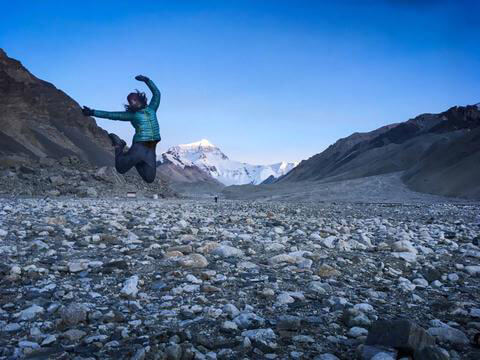
Options for snacks around Everest Base Camp are very limited. Think simple Chinese dishes, instant noodles, and Tibetan tea. We recommend you pack snacks from home or stock up in Lhasa before you hit the road.
Don’t expect to be able to use your international credit card in China or Tibet. ATMs are available in Lhasa and most people can easily withdraw cash with their debit card, although cards from smaller banks are sometimes rejected. Bring USD cash as a back-up measure. Converting currency is always possible, though it can take time. Don’t count on ATMs beyond Lhasa, make sure you have cash before you hit the road to Base Camp.
Refrain from engaging in political discussions. Remove your hat when entering monasteries. Avoid revealing clothing and displays of affection with the opposite sex, as both are considered inappropriate. On all topics, be respectful and sensitive in sharing your views, and enjoy the seat of a learner on a cultural journey.
Half the fun of planning a trip is the anticipation of your upcoming adventure. Get your adrenaline pumping from home by reading High Adventure by Sir Edmund Hillary, High Exposure by David Breashears (head of Everest IMAX project), and by watching the IMAX film Everest.
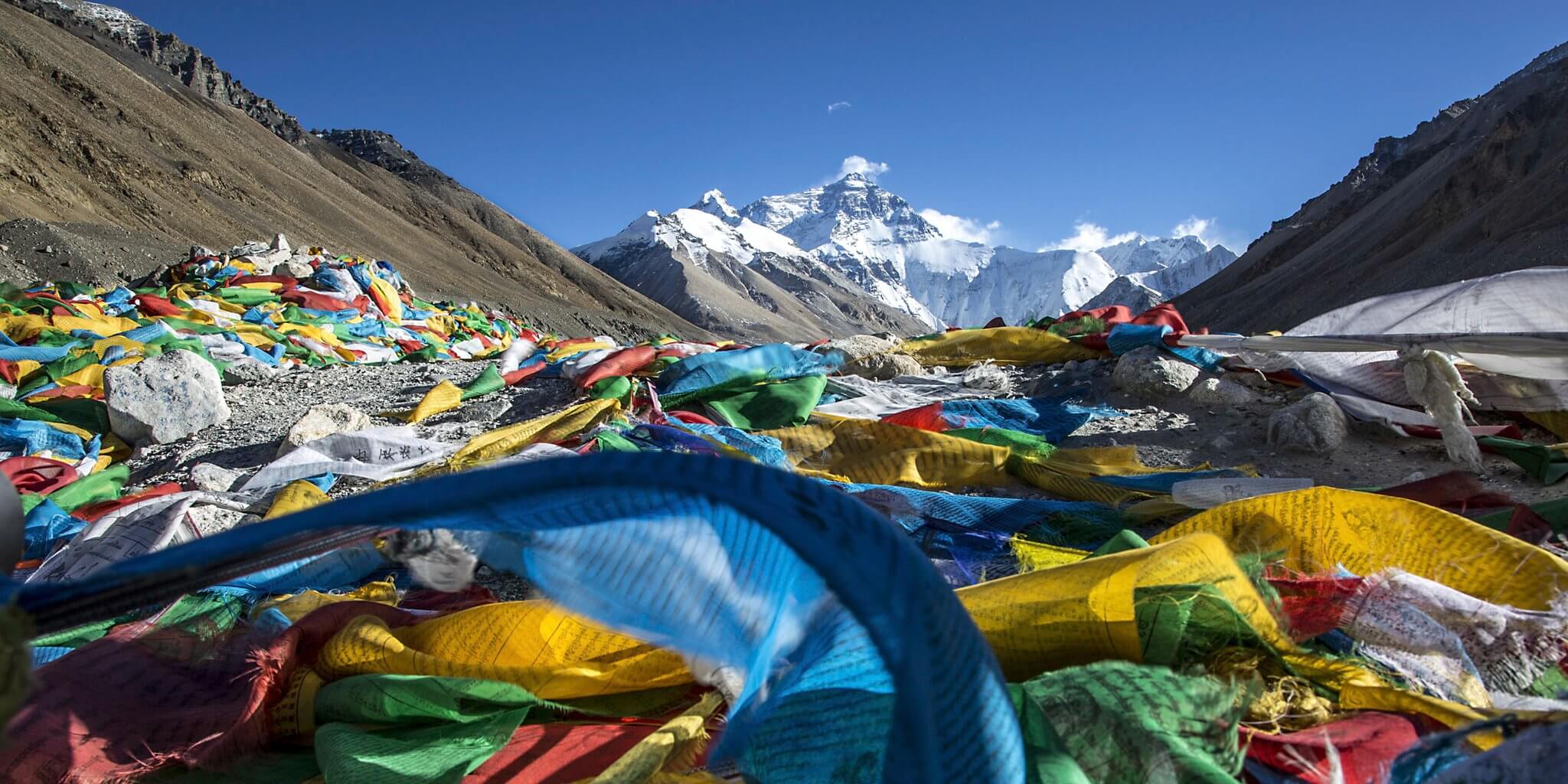
Create your own trip or join one of our Upcoming Trips to Lhasa and Everest.
At Extravagant Yak, we specialize in creating custom tours and are always happy to discuss making your dream adventure a reality.