
Last year we had the honour and privilege of leading an awesome group of riders through some of the best singletrack in Eastern Tibet. Photographer Ryan Creary and Freelance writer Ryan Stuart were among them. Together they published a couple of articles highlighting their first-hand experience of our Eastern Tibet Backcountry Mountainbike Tour. The first article was published in Action Asia Magazine, and now they've done it again!
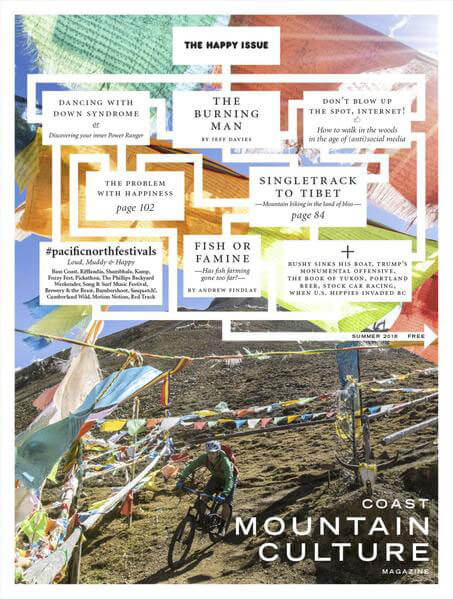
We're excited to be published in Coast Mountain Culture Magazine. If you're on Vancouver Island (or the Pacific Northwest in general) pick up a copy and flip to page 84. Drop us a line, tell us what you think, and if you want a two-wheeled Tibetan adventure of your own, come join us October 11-21, 2018 with pro-riders Mark Matthews and Brian Kennedy.
Click below to read about The Highs and Lows of Mountain Biking Tibet
If you’re interested in joining our 7-day Mountain Biking Backcountry Tibet trip click here to learn more or drop us a line at info@extravagantyak.com.
I only had three things to remember: breathe deeply; drink a lot of water; and put the toilet paper in the wastebasket, not the hole. That was my mantra for fourteen days. The first two were essential for surviving a mountain bike expedition above 4,000 metres. The third was necessary for avoiding the awkwardness of a clogged Tibetan toilet. Remembering to practice all three is not as easy as it sounds; habits and routines are hard to change. How much can a person transform during a two-week trip? Can you become a different person through travel? If so, is it possible to bring that person home?
These questions were far from my mind six months earlier. I was home in Canada, lazily scrolling through Facebook, when a posting caught my attention: A group is going to Tibet for a 10-day epic mountain bike adventure and we are looking for people to join us. At that time, my knowledge about Tibet was basic–Mount Everest, the Dalai Lama, Prayer Flags. I asked my partner, “Should I go mountain biking in Tibet”? His response, as usual, was “Hell yeah.” I signed up the next day.
To prepare, I Googled my fellow travellers. Among them were a mountain bike guide, a racer, and a pro rider. I imagined them travelling all over the world in exotic locations, with massive thighs and nicknames like ‘Shredder’ and ‘Count Huckula’.
I love mountain biking; it makes me, a 56-year-old woman, feel like a kid. I ride a couple of times a week at the local trail affectionately known as ‘The Dump’. My mountain bike buddies call me ‘Crash’. Doubts started to march through my mind. An Army of Insecurities ordered me to stand down. How can Crash keep up with a group of fit, professional riders who get paid to bike for a living?
Nevertheless, I trained the best I could, and six months later my bike and I boarded a plane to China. Jet-lagged and bleary, I arrived in Chengdu. My bike had other plans–and an unknown destination. Cool. My first test. Breathe deeply. I didn’t need my bike for another four days. The next morning, we flew to the Tibetan capital Lhasa to tour and acclimatize. That night my head pounded–the dreaded altitude headache. Cool. Test number two. I guzzled five litres of water, which cured my headache but led to frequent tests of mantra number three–wastebasket, not hole.
After four days of visiting Lhasa, the City of Happiness, we travelled to eastern Tibet to start the biking adventure. My bike had arrived, and I no longer felt the effects of altitude–until the first climb. I gasped and gulped for air, desperate to introduce oxygen into my starving lungs. My head exploded, and then my stomach and I spewed my lunch behind a bush on a pile of yak dung. I questioned myself, and the nearest yak–what was I doing on a trip like this?
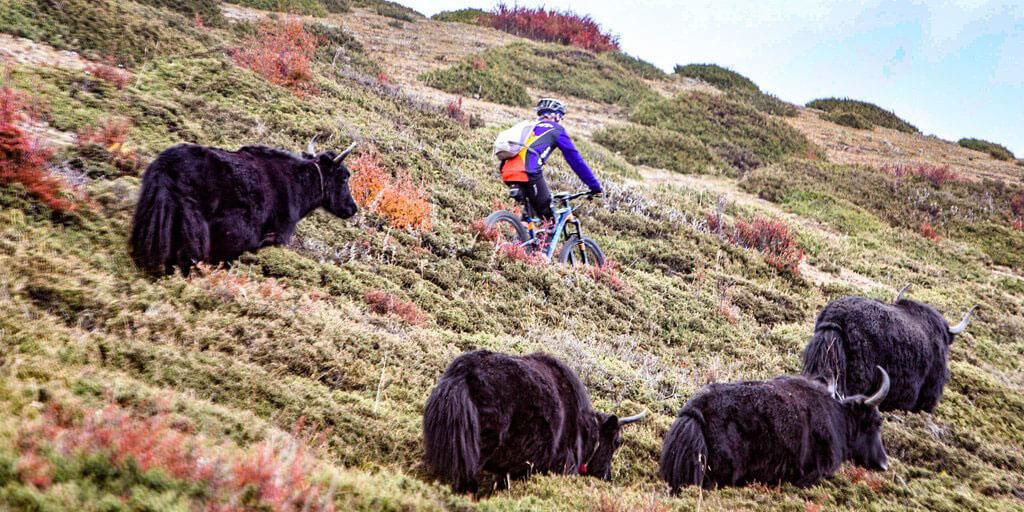
Over the next week, we pedalled eight to ten hours per day. We grunted our way over mountain passes, down rocky yak tracks, and through nomadic villages. Raging creeks tried to swallow us as we traversed their banks. We hoisted our bikes on our shoulders to scramble up slippery slopes. Exhausted, we descended upon remote guesthouses where the owners greeted us with local foods like yak meat, yak momos, and yak butter tea.
Somewhere along the way, I began to notice that I felt…nothing. Sensations of hunger, cold, soreness and sickness dissipated into the thin air. I didn’t miss my family, or friends, or home comforts. Worries and negativity drifted away from my reach. From my consciousness. I was filled with a deep spiritual joy and contentment (as well as a newfound respect for yaks). I experienced my own personal Nirvana, and in my mind, I was no longer Crash; I was now the Biking Buddha.
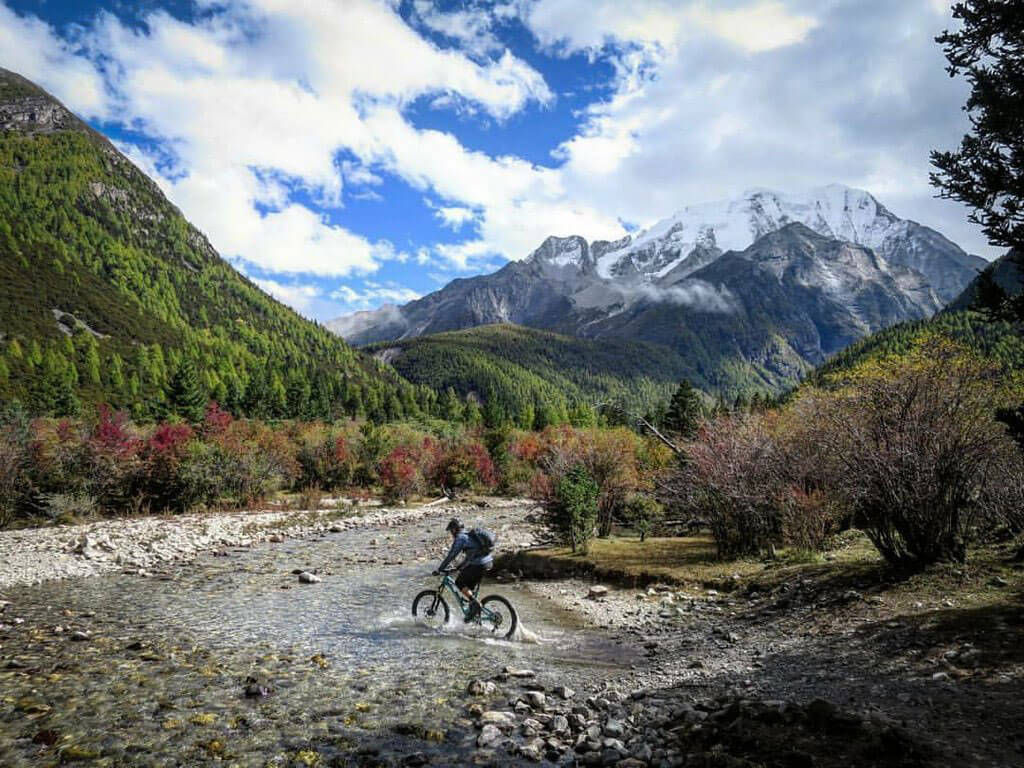
I don’t consider myself a spiritual person. I am a true Virgo–practical, logical, in control. During that trip to Tibet, I shifted inside. I awoke each day, mounted my bike, and rode blissfully at my own pace accepting whatever came my way. I felt present and profoundly peaceful.
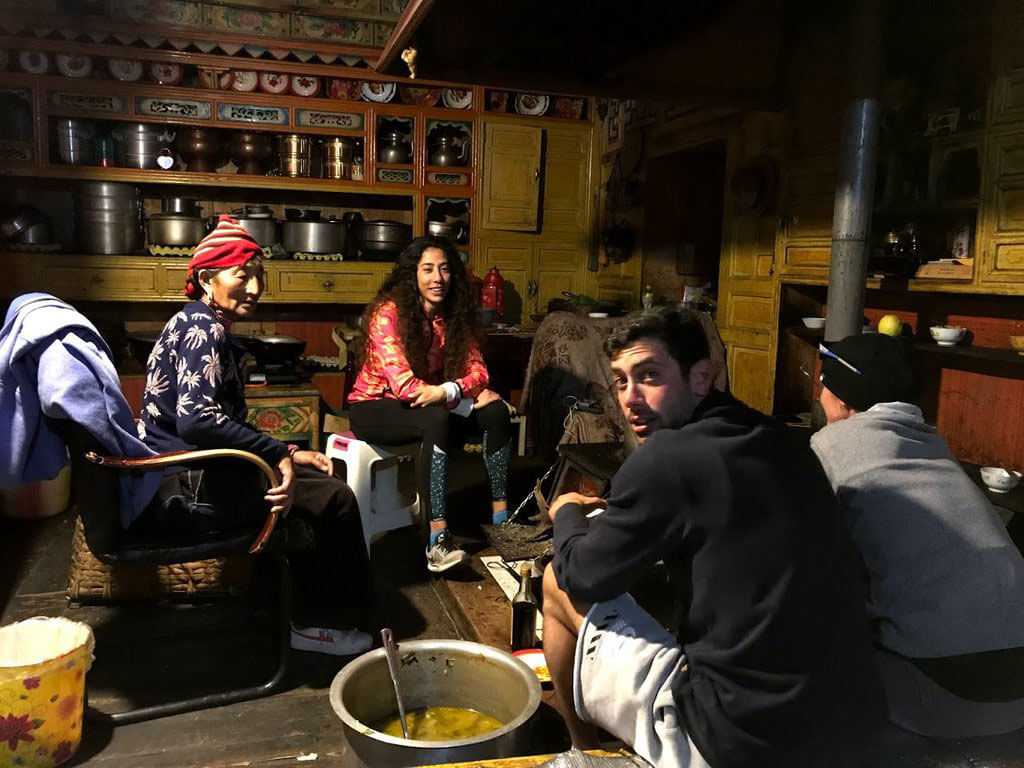
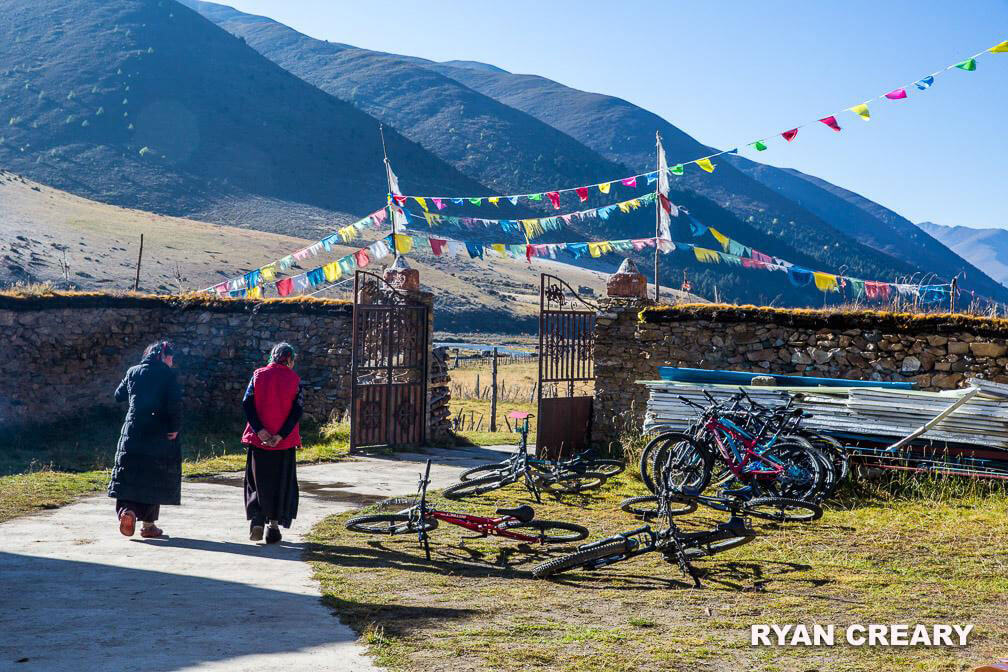
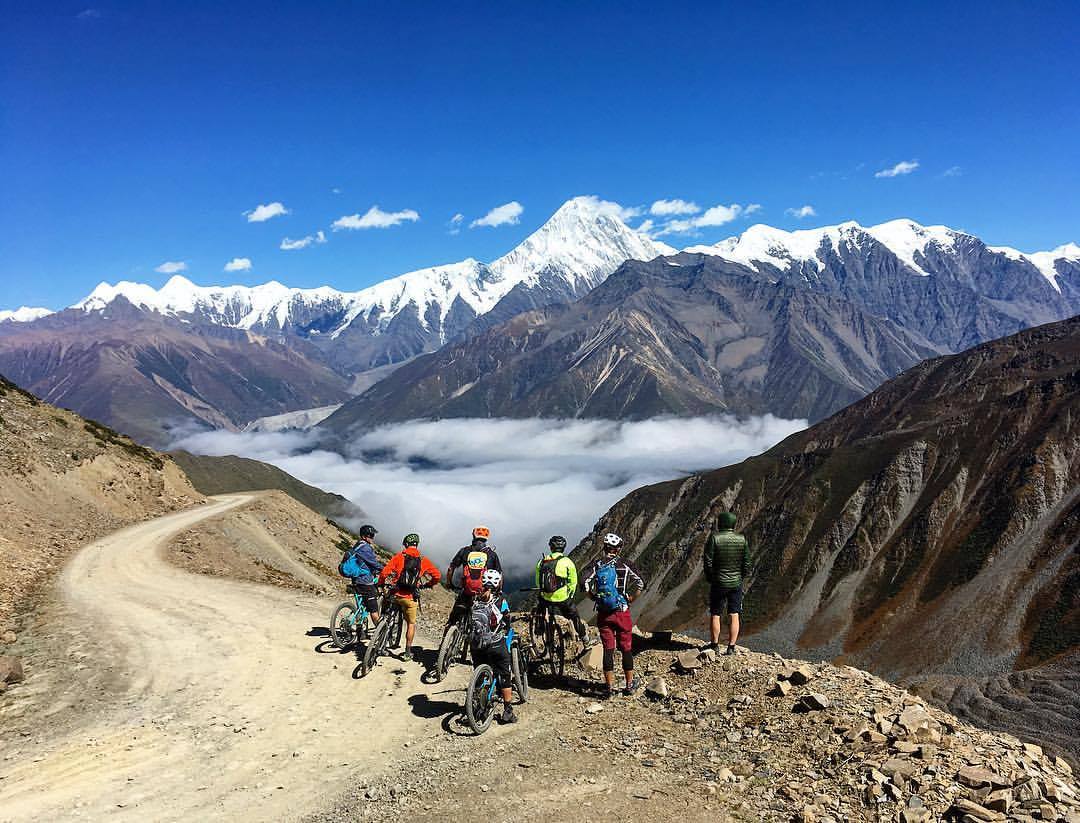
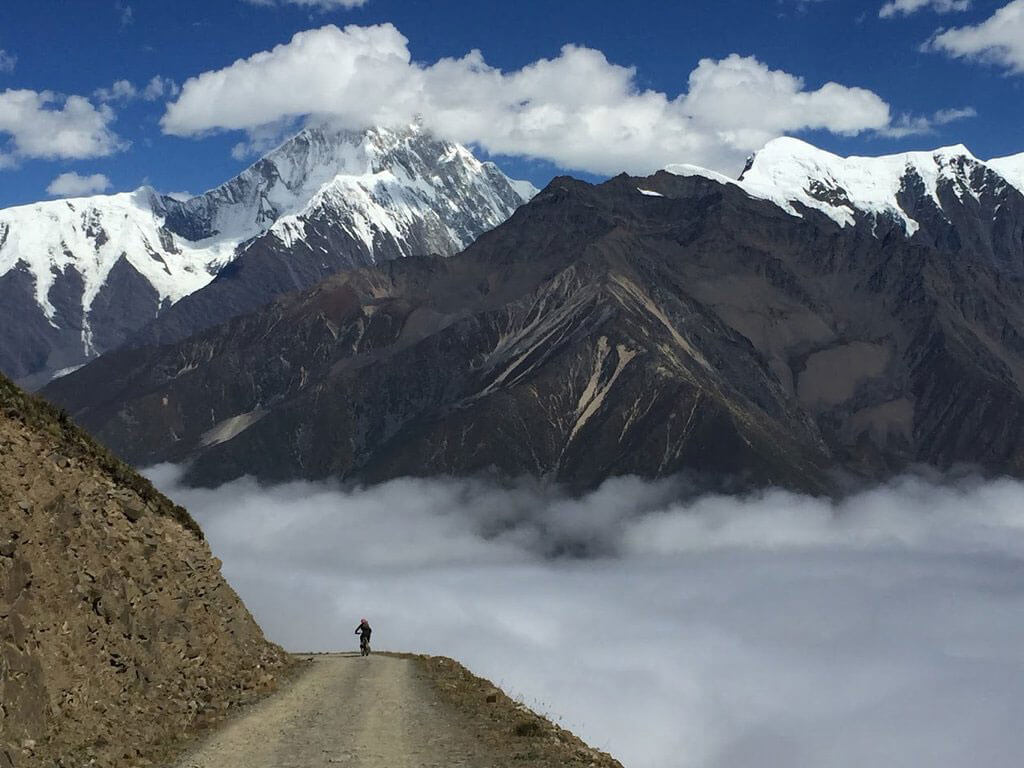
There were many occasions where feeling peaceful was easy. Sharing meals with my new friends, stabbing forkfuls of freshly made noodles as delicious Tibetan dishes whirled by on a lazy Susan. Cozying up to the fireplace where grandma was feeding yak dung into the stove and serving yak butter tea; the old woman and her daughter giggling conspiratorially when I sipped the butter in the tea rather than blowing it away. Spending hours laughing and talking with a wizened Tibetan monk–not understanding a single word. Our van driver presenting me with a gift of his family’s prayer beads. Riding above the clouds, locals gaping incredulously as our cycling entourage sped by.
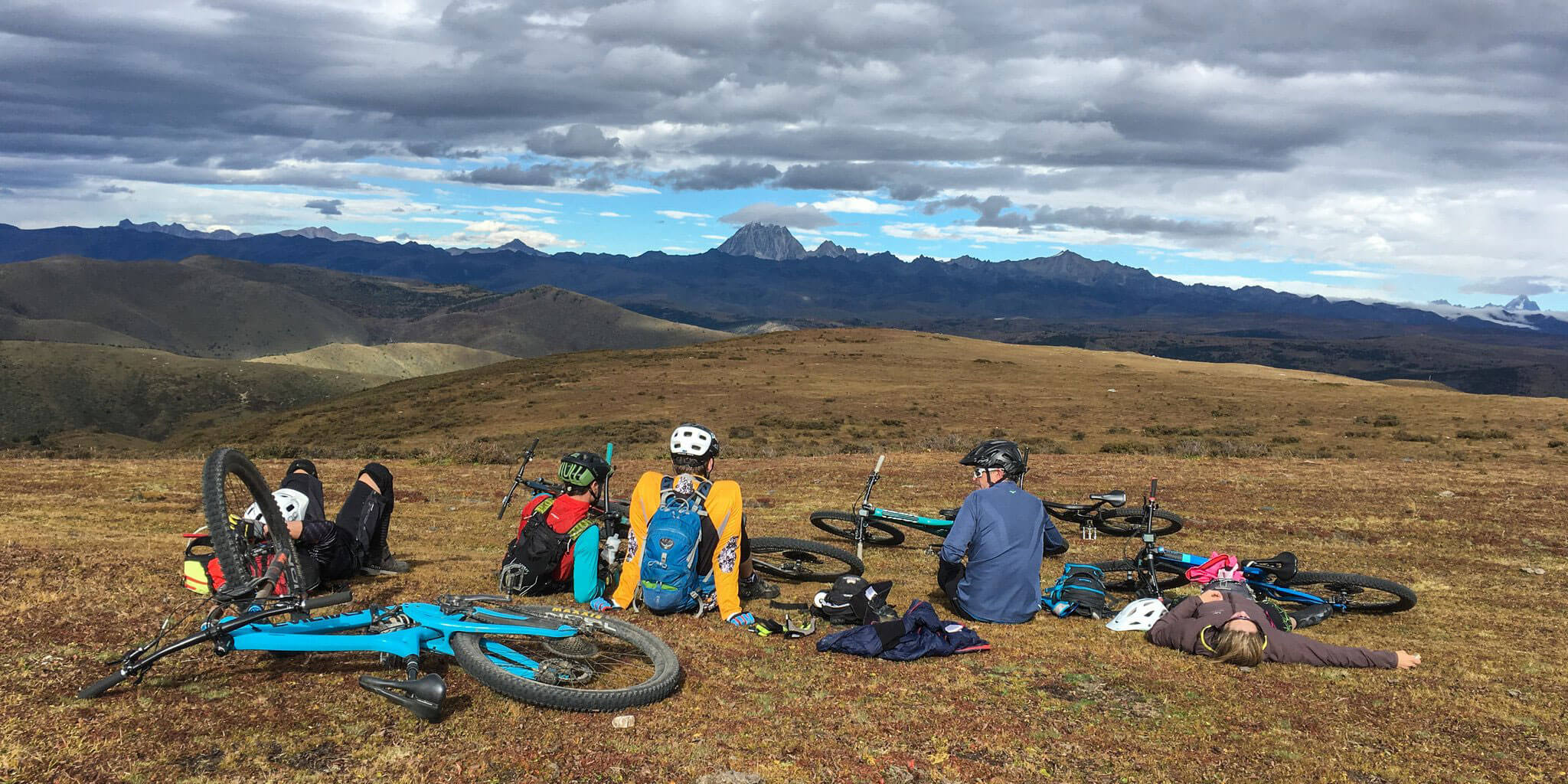
There were also occasions where my newfound serenity was challenged. The second day of riding included endless declarations of ‘one more climb before the summit.’ We reached the final peak as the sun changed guard with the moon; its toothless grin our only light as we dropped over the edge into the darkness.
Another time, I found myself solo, separated from everyone. I didn’t know where I was, where I was going, or if I was on the right trail. Miles of vast countryside loomed before me. I was utterly alone, but it didn’t matter–I wasn’t fearful or anxious. For what seemed like hours I journeyed on, thinking– This is my new reality, riding through eternity on a back road in Tibet –until I eventually reunited with the group.
Landing back in Canada after the long flight from China, I waited calmly at the baggage area to claim my bike. A man waiting for his luggage looked over, and remarked, “You look like you just got back from the Himalayas.” I smiled. My question was answered–I can bring that different person home. But how long will the Biking Buddha stay before she plans her next journey?
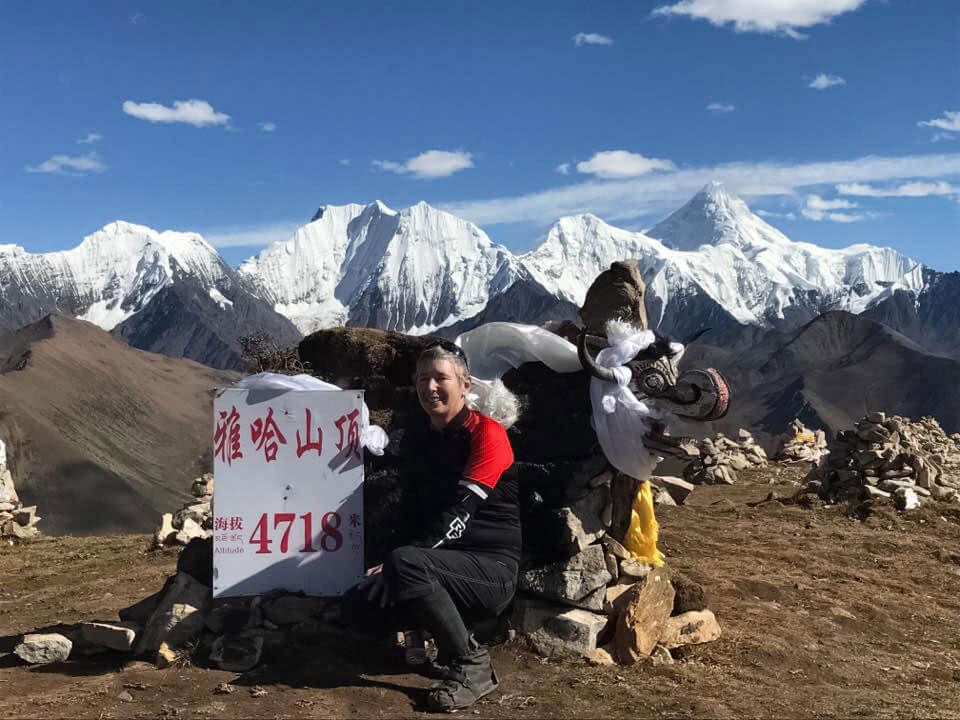
Originally titled "Constellation Realignment", this is a personal retrospective of an Extravagant Yak Mountain Bike Tour of Tibet written by Maureen Scott. Images by Maureen Scott and Ryan Creary
Click here to read more on how you can experience your own two-wheeled path to transformation on our 7 Day Backcountry Tibet Mountain Bike Trip
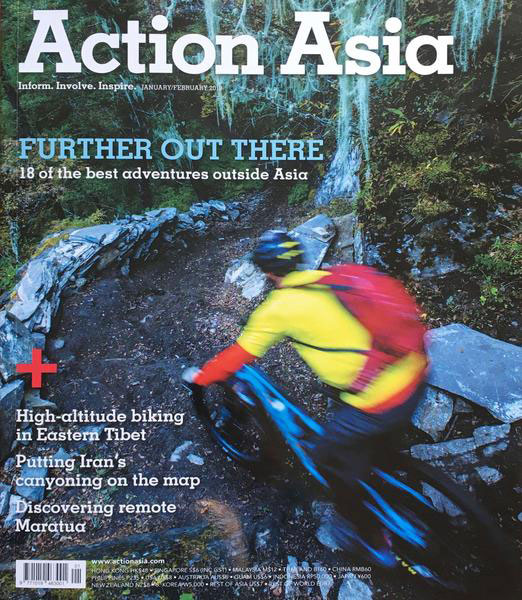
We've made the cover of Action Asia Magazine! The January/February 2018 issue has an amazing 10-page article, with words and photos from our clients Ryan Stuart and Ryan Creary, highlighting our exhilarating (and gruelling) Mountain Biking Backcountry Tibet tour. What an exciting honour to be featured here. If you're interested in experiencing this adventure for yourself click here for more information on how you can join our next tour in October of 2018. Click the cover below to read the full article.
If you’re interested in joining our 7-day Mountain Biking Backcountry Tibet trip click here to learn more or drop us a line at info@extravagantyak.com.
I was recently the driver and guide for an Extravagant Yak Tibet Photo Tour and learned some interesting things about hosting photographers. They are a unique breed of traveller. They appear less likely to feel cultural stress. Though I’m not an expert on the subject, in my thirteen years of cross-cultural living, I’ve observed that there are varying degrees of culture stress, from PTSD-type emotional trauma on the one end (very rare) to wanting to take more frequent naps on the other (super common).
Most of the time, it all gets thrown under the label of culture shock, but some shock can be…well, more shocking than others. Sometimes culture shock can make you want to curl up into the fetal position or click your heels together and say, “there’s no place like home, there’s no place like home,” like when you get lost in Hehuachi market or every time you go to IKEA. But a less dramatic, longer-term exposure can result in something called culture stress (often poorly labelled culture shock).
Culture stress happens because our brains like to be able to filter out most of the stimuli from our environment. This helps us to focus on what’s important and ignore the rest. When we are acclimatized to a certain culture, most of the external stimuli coming at us are familiar, therefore our brains don’t need to reprocess them. But when all or most of the external stimuli of our surroundings are unfamiliar, our brains work in overdrive to process all of the new data.
The experience of new, unfamiliar sites and smells can be fun in the short run, but after a certain amount of time (hours, days or weeks) all of the new stimuli begin to feel very uncomfortable and frustrating. Everything begins to filter through a comparison test, and on most counts, the host culture falls short of the expectations and standards developed in one’s home culture.
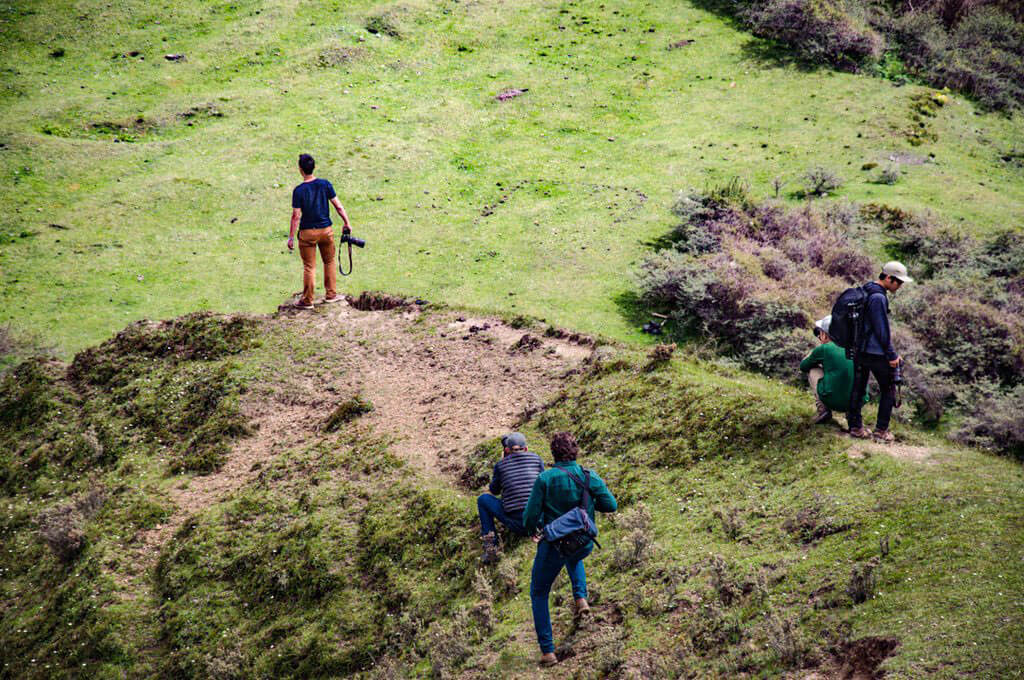
But for photographers, I observed something unique. They seemed impervious to these factors. I was so intrigued by this. It was as if something about being in the posture of an intense observer, looking at the world artistically through a lens, somehow shielded them from some of the challenges of a new culture.
We all like to have a measure of control, so when we get put in a situation where we have very little of it (like in a tour group in a region where we can’t speak the local languages), we may feel some discomfort. But photographers always have something they can control: their cameras and their desired shot. They are also never lacking to-do list items when they travel.
When photographers aren’t shooting, there’s photo dumping, sorting, rating and post-processing. And when they aren’t doing that, they’re always looking for the next unexpected, breath-taking moment. Photographers expect to be surprised. Witnessing and experiencing that level of anticipation in the group made the overall atmosphere of the tour fun and exciting.
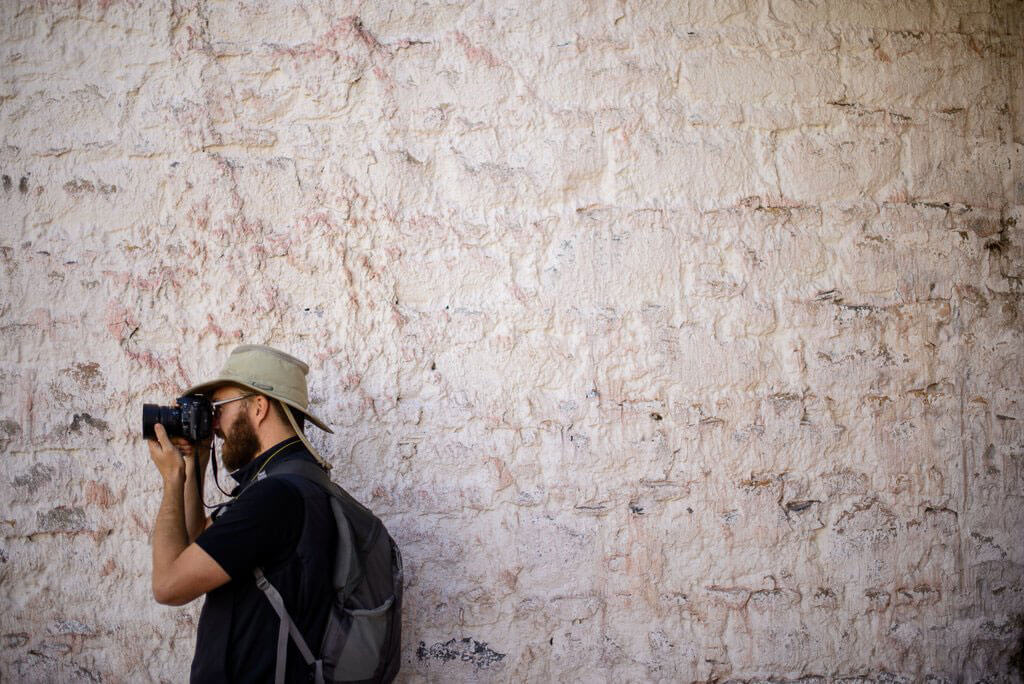
So, while it seems that photographers have a leg up on the rest of us in the travel department, it may have more to do with the fact that they aren’t trying to process and judge the environment for understanding’s sake, but they’re leaning in to find beauty in their environment for art’s sake. Call it a left brain / right brain thing. I don’t know.
Perhaps there are other factors at play. But whatever the reason, I challenge you to try your next travel adventure in the posture of an artist and try to suspend all judgments and see if it doesn’t make a difference. You may discover not only a new way to travel but a new way to be in the world all the time. That would be totally worth giving it a shot. (Pun intended).
Envious? Need a jumpstart on seeing the world through a different lens? Join our next photography tour to see what your missing.