All foreign travellers visiting Tibetan areas in P.R. China require a valid passport (with minimum 6 months validity from the planned entry date into China) and a Chinese tourist visa. If you plan to visit Central Tibet (Lhasa and beyond), also known as the Tibet Autonomous Region, you will need the assistance of a tour agency to obtain a Tibet Travel Permit (TTP) for you. Here’s what you need to know before entering Tibet.
A Chinese tourist visa needs to be obtained through a visa application process. Contact the Chinese Embassy in your country to get started. A Chinese visa is all that is required for travel in Kham and Amdo Tibet, where some of the most culturally authentic experiences (and few tourists) can be found.
There are now many countries, especially in Europe, for which China has a visa-free entrance. However, the length of visit for travellers from visa-free countries varies, so be sure to check with the Chinese embassy in your country.
You’ll need a Tibet Travel Permit (TTP) to visit sites including Everest, Lhasa and other quintessential destinations in Central Tibet, also known as the Tibet Autonomous Region (TAR).
If you are visiting the TAR, the law also requires you to book a tour with a registered Tibet travel agency and to have a guide accompany you for the duration of your time there. Your tour company will process your TTP for you, as you can’t process it on your own.
You need to confirm your itinerary before your tour company can obtain your TTP, which can take up to four weeks to process.
The tour agency will request a scanned copy of your passport and a scanned copy of your Chinese visa to process your TTP.
Mailing completed permits overseas is prohibited, so your Tibet travel agency will deliver the original permit (not a copy) to your hotel in China, or meet you at the airport with it, as you will need it to enter Tibet.
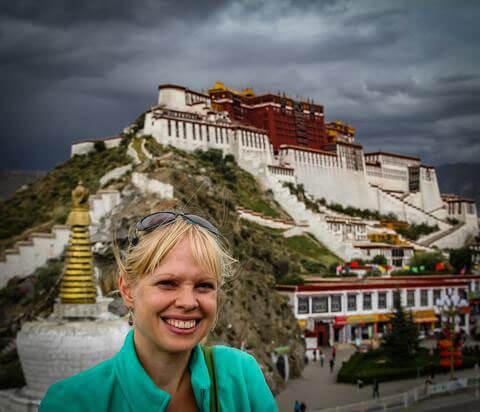
The original copy of your two-page permit will be checked in your departure city for Tibet, either at the train station or airport, and upon arrival in Lhasa.
Once you arrive in Tibet, your guide will assume responsibility for your TTP and will use it to check you into your hotel, to purchase tickets to tourist attractions and at checkpoints along your route.
Contact us here at Extravagant Yak if you have any questions about getting your permit, what each region has to offer, and anything else you need answered while planning your trip to the Roof of the World.
Contact us today
Travelling Tibet can be a dream for many people, but we often get questions from those who are concerned that they won’t be able to enjoy their experience due to their dietary restrictions. Whether it is a food allergy or a lifestyle choice, a key step in making your Tibetan adventure a reality is to know what your options are.
With cooperation from the locals and a little bit of preparation, food allergies, intolerances, or dietary preferences do not need to stop your adventure. If you are travelling with a guide, it is important to let your guide or tour company know as soon as possible if you have any questions about your specific dietary situation.

Not all of the locals (especially in the more rural areas) are familiar with the idea of allergies, etc., so if you have allergies, you will need to make sure at each meal the right people are aware and understand what you can or cannot eat (your guide, servers & cooks, homestay host, etc.). Be sure you let them know that you don’t want any of *insert particular item*, rather than only wanting less of it.
Continue reading below as we briefly cover some of the common dietary restrictions and preferences.
No problem. A lot of Tibetans are religious vegetarians, so every restaurant will have something for you to eat. Traditional diet relies a lot on potatoes, barley, various cabbages/green leafy vegetables, and yak products (butter, milk, yogurt, cheese). However, due to the elevation of Tibet, the variety of vegetables is a little more restricted in the rural areas, so you may want to pack yourself a few treats just to add a little variety.

Vegans may find travelling in Tibet a little more difficult as the Tibetan diet is heavily reliant on Yak products. When ordering dishes, check that your vegetables and bread do not come pre-buttered. Beans are not traditionally found in the Tibetan diet (although tofu might be available in some of the Chinese dishes), so for your protein sources, you may want to pack some of your own.
In Lhasa and the TAR specifically, the food is influenced by Nepal and other surrounding countries, so here you can enjoy some curries and dhal, etc.. Additionally, some of the Eastern Tibetan regions grow walnuts, making these a common snack served to guests. Vegans will probably also want to skip the yak butter tea, sweet tea, and milk tea, opting for a straight black or green tea instead. Maybe it’s also a good excuse to try the local barley wine!
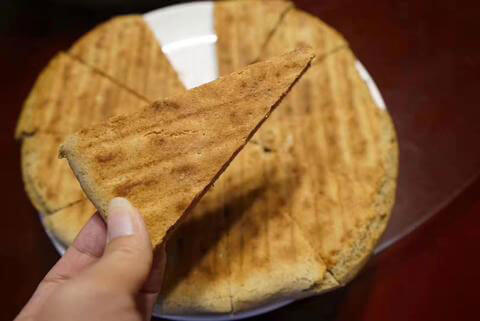
If this is you, it is important to know that barely is a staple of the Tibetan diet. Whether it is tsampa (ground barley powder) for breakfast, tsampa for dessert, or as a snack (Tibetan popcorn!), barely can be eaten at every meal of the day. Thankfully, potatoes are also a staple in the Tibetan diet, and rice is also readily available. Those who are gluten-free will want to stay away from the noodles (thukpa), momos, and flatbread, but that just means you can enjoy more yak meat, lamb, and other vegetable dishes!

If you are dairy-free, you should find a lot of things to eat, but you should also know that the Tibetan diet relies heavily on the use of yak milk. There are several versions of milk tea (yak butter tea, sweet tea, and regular milk tea) that are commonly drunk, although black, green, sea buckthorn or any number of local varieties of tea are also consumed. Additionally, watch for yak butter in your food, yak yogurt (often eaten as a snack or served as a sort of dessert), and yak cheese (which is often eaten with tsampa).
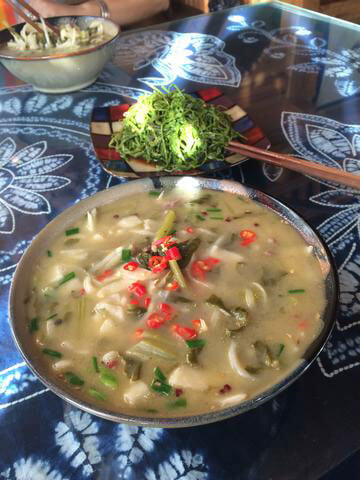
If you have a nut or peanut allergy (especially if it is serious), it will be very important for you to communicate this clearly to your hosts. Walnuts are commonly grown in the Tibetan region, and peanuts and peanut oil are commonly used in cooking (particularly in the Eastern Tibetan regions in Western Sichuan. Sichuan is known in China as the Home of the Peanut!). In some places, yak butter tea includes ground walnuts (for example, Danba area), while in other places you can find ground peanuts (Shangri-la area) in this comfort drink. Peanuts and nuts are also served as a common snack to guests (but this should be obvious when offered to you).
If you require an EpiPen, please make sure you have enough with you for your trip. EpiPen’s are virtually impossible to get in China, and in some areas, the local hospital may not even have epinephrine. If you (or someone you are travelling with) are at risk of going into anaphylactic shock if an allergic reaction were to occur, please make this very clear as soon as possible to your guide or travel company (if you are using one). If this is a concern for you, a good travel company should be able to look into the availability of treatment at the nearest hospital at different points in your itinerary in case of an emergency.
Don’t let food allergies or restrictions stand in the way of your dream trip to Tibet. If you are ready for an adventure, click here to see our upcoming small group tours, or contact us and start a conversation about your dream trip!
People often have questions about how they can avoid altitude sickness while travelling in Tibet. While altitude affects everyone a little differently, in the last 1000 clients we’ve only had two people who have needed to be evacuated to lower elevation due to the severity of their symptoms.
To start, knowing what symptoms to look for is important. Symptoms range from minor and normal, to severe and life-threatening.
Here are some of the common symptoms that are normal when acclimatizing to high elevation:
While you might not experience all of these when you travel to a higher elevation, it is very likely that you will experience at least one of (or a combination of) these things.
Serious symptoms that require close monitoring, and may need immediate medical treatment include:
Serious symptoms should be monitored closely! These symptoms warrant seeking medical treatment, and if very severe, getting to a lower elevation immediately will likely be the best course of action.

It’s important to know that even if you have been to altitude before, your body’s response can be completely different from trip to trip. Additionally, those who consider themselves “fit” often don’t think that they will feel the altitude as bad as other people, so they don’t really take their guide’s warnings and advice seriously (resulting in their own discomfort).
Altitude doesn’t discriminate. Remember, it’s not a competition. Altitude isn’t impressed by how many mountains you have climbed, or how many marathons you have run (or haven't climbed or run). Have patience with your body when travelling to high elevation. For your own sake: take it slow.
While altitude sickness is not a joke, the body is amazing at adjusting, and typically will adjust to the elevation in 1-3 days. To help you prepare for a trip to Tibet, here are our best tips for acclimatization:

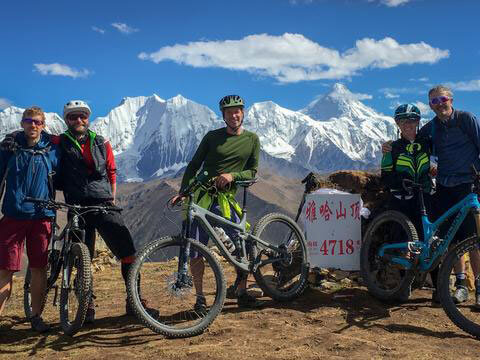
While there is a lot to see and do in Tibet, as you travel higher, make sure you give your body enough time to adjust before you continue on. Typically, once you get above 3000m, it is not recommended to gain more than 300m elevation gain in a day (measured from between your sleeping locations – it’s okay if you are going up over a mountain pass, but sleep lower again). While there is often a focal point of where to “get to” on a trip, enjoy the journey, and use the proper acclimatization time to explore the culture along the way!
Talk with your doctor about any health concerns you might have, and if they would recommend taking preventative medication during the trip. If you do choose to take medication (or just keep it on hand), discussing it with a medical professional is important to make sure that your particular medication is right for you.
Note: if you have a history of heart or respiratory issues, are a senior, are pregnant, or have children travelling with you under the age of 5, be sure to consult with your doctor before planning your trip.

Drink lots and lots of water! If there is a key to alleviating altitude discomfort as much as possible, this is it. Keep your fluid levels high to help your body adjust to the elevation, and make sure you are not confusing symptoms with simple dehydration. As you drive, fly, or climb higher, drink water en route so that your body is well prepared when you reach the highest point. Yes, you’ll need to use the bathroom more frequently, but this is just another excuse to pull off and explore the village rest stops along the way – you’re in Tibet, it’s part of the fun!

You might be fit at sea level, but when adjusting to a higher elevation, it is common to feel your heart thump in your chest just from climbing a flight of stairs! To avoid huffing and puffing everywhere, move a little slower than usual in your first day or two. Take particular care when making any sudden movements or getting up from a sitting or squatting position. Your heart needs to pump a little harder to get the blood to your head, so go easy on yourself!
Similar to fighting dehydration with a lot of water, don’t compound the problem by drinking alcohol or caffeine as you adjust. If you absolutely need your caffeine, at least limit your intake, and try to skip the first day.

Overall, just breathe. Relax. Stay calm. Breathe deeply and steadily as opposed to quick shallow breaths. Travellers who are nervous about the altitude can become even more anxious at the first hint of symptoms. If you think you are starting to have symptoms, monitor them, tell your guide and/or travel companions, but do your best to rest and stay calm.
Of course, if you are displaying serious symptoms, getting medical help and evacuation to lower elevation may be necessary. While altitude sickness can be serious, following the previous few tips can lower your risk of experiencing major problems, and make your trip to Tibet even more enjoyable!
If you are ready to have your breath taken away by the stunning culture, scenery, and people that make up Tibet, let's start a conversation. Shoot us a quick message and we'd be happy to help you plan the perfect trip.
Part of the beauty of travel lies in the spontaneity and the unexpected, though this sometimes means encountering a travel hiccup or two whether you’re a seasoned globetrotter or first-time traveller. That’s why we’ve shared 8 common travel mistakes and some precautionary measures you can take to make the most out of your trip to the Roof of the World:

Tibet’s geography is vast, and there are often misconceptions on which regions are considered part of Tibet. The region(s) you travel to can affect the type of travel documentation required as well as the months of the year that you can visit.
For example, Central Tibet offers beautiful views of peach blossoms in the springtime, but is closed to foreign travellers between February and March. For more on regional differences and what each geographic area has to offer, check out Tibetpedia!

While foreigners are able to travel independently through Kham and Amdo regions of Eastern Tibet, venturing into the T.A.R. (Tibetan Autonomous Region) will require all foreign visitors to have a Tibet Travel Permit and be accompanied by a licensed guide. It’s through your tour operator that you’ll acquire the travel documents necessary for your travels.

Foreigners visiting any Tibetan area will need to have a valid Chinese visa. A visa can typically be processed 2-3 months in advance of your trip, and usually takes 5 working days to be approved. However, visa application procedures currently vary from country to country, so consult your country’s Chinese consulate for full details.
For those visiting the T.A.R., additional travel permits are required, so be sure to factor this into your timeline when planning your trip. A Tibet Travel Permit (TTP) is to be obtained by your Chinese travel company and can take up to 4 weeks to process, but your visa needs to have been approved first. To avoid any travel permit-related stress, set aside ample time to process your permits!

Venturing to Tibet does take time, so remember to factor in how long it takes for you to make your way to the Roof of the World. Here are some of the ways you can get to Tibet:

Another common misconception is that Tibet travel is limited to April through October. Eastern Tibet, for example, is accessible year-round aside from certain roads and mountain passes. The time of year you visit will also influence the activities and experiences you include in your itinerary, so it does pay off to do some research on the activities and experiences you’re interested in.

Before your trip to Tibet, check the news for any changes that might affect you like weather updates, road closures, and travel advisories. Check for seasonal weather conditions so that you pack weather-appropriate clothes. It’s also helpful to have a backup plan in case things like unexpected weather affect your route.

Don’t forget to add acclimatization time into your itinerary when travelling to Tibet. After all, Tibet is called the Roof of the World! Ascend slowly and stay well rested, fed, and hydrated — this will help mitigate any discomforts that may come with travelling at a higher elevation. If you have any other concerns, talk to your doctor before you travel.

And finally — don’t forget the little details like preparing for any special dietary needs and preparing a few creature comforts to make your trip more enjoyable. Check with your bank to see if your payment card is accepted at foreign ATMs. Paying by debit/credit card is not widely available (even in bigger cities), so carrying local currency is always best.
While you can't always anticipate everything that will happen on a trip, keeping these tips in mind will help your trip go smoothly so you can focus on experiencing all that Tibet has to offer.
We’re always here to help you make your dream trip a reality, so drop us a message and let's get planning!
“China Closes its Everest Base Camp to Tourists” - this is typical of the headlines that have been splashed across global news channels over the past couple of weeks. While it sounds like foreign travellers will be blocked from going to Everest in 2019, this is not what is happening. There are changes at Everest in 2019, but they do not affect the view of the mountain offered to travellers, and these changes are for the better of the mountain.
The reality is that the actual base camp for climbers has always been restricted to all but those who have an Everest climbing permit. This means the furthest that regular tourists were permitted to overnight previously was at the “tent hotels” - a small seasonal camp of yak wool tents set up by local Tibetans. This camp has traditionally been located about 3km beyond Rongbuk Monastery (chinese, Rongphu Si), near Dza Rongbuk Hermitage, but still several kilometers from the climber's base camp.
These tent hotels hosted travellers for hot tea, provided simple local food, and further offered accommodation to those who wished to overnight. From the tent hotel location, a park bus was provided to carry tourists a further 2km up the valley to the closest viewpoint non-climbers could access.
The furthest point that tourists can go in 2019 is Rongbuk Monastery. For many travellers, Rongbuk Monastery offers their favourite view of the mountain. A short walk up the hillside near the monastery offers the iconic view of Everest’s north face with the monastery in the foreground. Most people would say that the panoramic view from this spot is as good as anywhere else in the valley, and some would argue that this location offers the best all round view of the mountain.
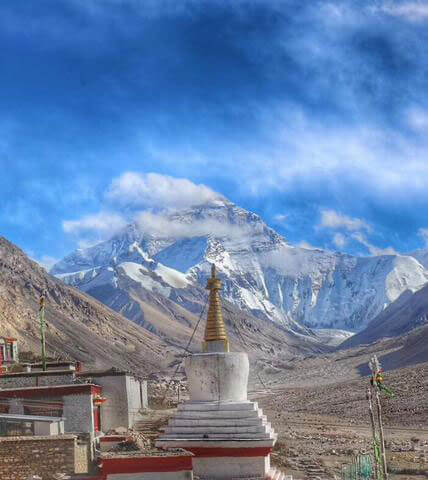
As described above, the further 5km step past Rongbuk Monastery to the “tent hotels” and the viewpoint beyond will not be permitted in 2019. However, the stunning views of Everest from the monastery are at least as good as the views further up the valley.
The good news is that the local government is implementing a massive clean up project at Everest. This overdue project began in 2018 with tonnes of waste being hauled away, and will continue in 2019. This massive clean up effort will proceed further up the mountain to even include removing the remains of climbers who have died in the Death Zone.
Everest climbing permits for the 2019 season are being restricted to 300. Eco-friendly toilets are being planned for the future, along with better garbage disposal, and even a seasonal medical clinic to serve tourists. No one would disagree that better management of the natural environment around Everest is in the best interest of everyone.
Questions?
We're here to help! Our team is on the ground in Tibet and we're happy to answer any questions you may have.