When travelling in Tibet there are a few things you’ll want to remember about budgeting. One of the first things that will impact your budget is whether you are travelling to Central or Eastern Tibet (Kham or Amdo regions).
Travelling in Eastern Tibet, foreigners are allowed to travel freely by themselves, so it’s important to remember to budget for every part of the experience. On the other hand, in Central Tibet (the Tibet Autonomous Region) foreigners will need to use a tour company to help them plan their travel. For these travellers, it will be important to find out what is included in their tour package for the price they are paying (accommodation, guide, transportation, meals, etc.), and what else they will need to pay for themselves.
Nobody wants to come back from a trip having spent more than they expected! Conversely, nobody wants to feel like they missed out on an adventure because they were held back by their bank account! Effective pre-planning and budgeting can set you up to have a smooth and as surprise-free trip as possible.

Accommodation in Tibet comes in varying levels. A hostel dorm room bed could start at ¥50 RMB/person/night, while a high-end hotel could reach ¥1000 RMB/night. Knowing what type of traveller you are, and what level of comfort you are willing to pay for is important to your budgeting process.

Getting from A to B can be one of the biggest parts of your budget. Depending on the size of your group and how you want to travel from place to place will determine how much you will need to spend on transportation. It’s important to remember, for your own safety, to make sure you are travelling with a commercially licensed mode of transportation. (Also remember elevation when planning transportation. Don’t rush your acclimatization just to save money – it could be dangerous! Read more about acclimatization here.)
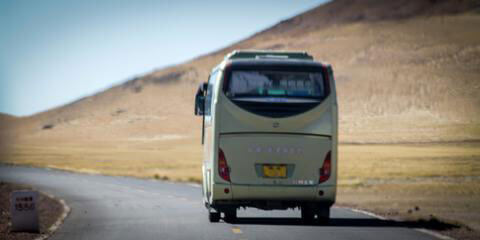
A private vehicle and driver can start at ¥1000 RMB/day (for example, a 7 passenger mini-van). Alternative options in Eastern Tibet for people travelling by themselves are buses (or paying for a seat in a private vehicle travelling between your locations). Buses run between the larger cities and towns daily and can be ¥100-300 RMB per ticket. Alternatively, the Tibetan areas are home to some of the highest airports on the planet, so it could be worth the time and money you save by getting to your destination a little quicker.
In Central Tibet, a flight between Chengdu and Lhasa is roughly ¥3,500 RMB making this one of the most expensive domestic flights within Asia. From this point on, your tour package will likely include all of your transportation.

Daily guiding fees vary a little bit depending on the type of guide you are employing. A guide to take you around a monastery or museum might only be ¥200-300 RMB for a few hours, but an experienced tour guide to accompany you for your journey could be ¥800 RMB/day.
A note on finding the right guide: wherever you are travelling, please keep in mind living wages when it comes to guides, drivers, etc.. If it feels too cheap, it probably is. When we started Extravagant Yak we noticed a trend where really good guides were leaving the industry a few years down the line because as much as they loved sharing their culture, they couldn’t afford to support their family on the income. We are a big believer in paying people what they are worth so they can grow old doing what they love!

Think about what you are planning to do and see while in Tibet. There are lots of beautiful national parks, monasteries, and even grasslands to visit, but some of them come with a price tag. Even if it’s only ¥10 or ¥20 RMB, if there are 5 people in your group, that can still add up. For some of the more well-known attractions, see if you can find out the actual price tag in advance.
Want some inspiration? See our blog: The Most Beautiful Places to Visit in Tibet.

Are you trying to maximize your budget and eat as cheaply as possible, or are you on holiday and ready to splurge? Do you enjoy eating your way around a culture, or do you prefer food that is as close to your normal diet as possible? Do you like buying snacks for the road, or nice drinks from a coffee shop (where available)?
Deciding what type of food traveller you are, will help you set a realistic food budget. Western food typically costs the equivalent western prices (especially if it will use imported products), while local food tends to be a lot cheaper. Even with local food, the price will differ significantly depending on whether you are in a high-end restaurant, tourist hotspot, or a hole in the wall Mom & Pop shop. A “fancy drink” (like an Americano coffee, milkshake, etc.) is often more than a bowl of noodles, but a bottle of pop/soda or water is typically ¥3-5 RMB. If you want to eat at a nicer restaurant or order a drink with every meal, budgeting ¥200-300 RMB per day is a great place to start (and can be adjusted according to your personal preferences).
Speaking of food, read about the Top 5 Foods You Must Try in Tibet.

If you are entering Central Tibet, you will need a Tibet Travel Permit (TTP). TTPs are issued to groups of people entering the Tibet Autonomous Region (TAR), although the application will be processed by the tour company you hire. TTP applications are a group cost (although a group can be as small as a single traveller), so expect to pay your share of this fee at some point, but it is usually included in your tour package price.
Read about How to Get a Tibet Travel Permit.


As with any trip, remember to budget for travel insurance. Even if you are already covered by a worldwide policy, read the fine print to make sure it covers any activities you will be doing (hiking, etc.), high elevation (some insurance policies don't cover above 3000m), and China and/or Tibet (also a common exclusion). Additionally, (especially if you are heading to a remote location) check to make sure medical evacuation is covered because for something serious the nearest medical facility could require air ambulance out.

Cash gifts for services are not expected at any restaurants in Tibet, nor at most hotels. Four- and five-star hotels are an exception to this, but tips are certainly not expected at smaller hostels and hotels. At the end of your tour, a tip for good service to your tour guide and driver is welcome, though not expected. If you consider your guide’s service to be exceptional, a gift of ¥200 RMB per day is a very generous tip. If you are happy with the guide’s service, a gift of ¥120 RMB per day tip is still good. As for the driver, a ¥60 RMB per day tip is more than enough to make their day.


Similar to travel insurance, while no one ever wants to expect something to go wrong, sometimes things just do. Maybe you have to spend an extra night at a more expensive hotel, or you just need to buy a little cough medicine, whatever it is, unexpected expenses can crop up. (Heck, we’ve even seen guests rip their only pair of pants resulting in an emergency shopping trip!). You might choose to budget a monetary amount (for example, ¥500 RMB/person), or add 10% to your budget. Whatever it is, putting something aside for the unexpected is wise. If you return home with that money still in your pocket, consider it the start of your budget for your next trip – bonus!

This is one of the categories that can vary the most. Knowing ahead of time if you are bringing a little gift back for 1 special person or 25 can affect your budget. Will you want one nice thing to remember the trip by (i.e. a Tibetan dress, fine jewellery, artwork, etc.) or are you more satisfied with multiple little things (i.e. keychains, teaspoons, a bag, etc.)? Your spending in this area is completely up to you!
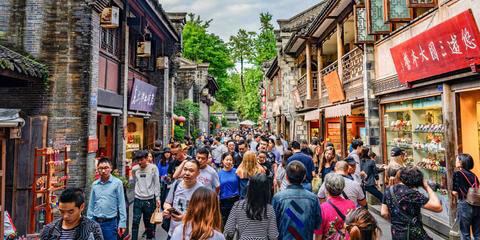
Keep in mind what type of traveller you are. If you are easily overwhelmed by crowds and new cultures, planning to take the bus all around Eastern Tibet might leave you feeling exhausted and unenthused for the rest of your trip. Or, if you know you are not a very adventurous eater at breakfast time, choosing a homestay that only serves local food might make you feel like you are starting the day off on the wrong foot. Be honest with yourself about what you level of creature comforts you require, and budget for that. Saving money in the wrong places could lead to regretting the trip entirely (which means you didn't really save money, right?). Don't let your budget make or break your dream trip to Tibet. Even if it means waiting (and saving) a little longer, it'll be worth it!
Ready to start planning?
If you are ready to plan a trip to Tibet, talk to us about a tour. We love taking care of the details for our clients to give them peace of mind while taking them on the adventure of a lifetime!
Part of the beauty of travel lies in the spontaneity and the unexpected, though this sometimes means encountering a travel hiccup or two whether you’re a seasoned globetrotter or first-time traveller. That’s why we’ve shared 8 common travel mistakes and some precautionary measures you can take to make the most out of your trip to the Roof of the World:

Tibet’s geography is vast, and there are often misconceptions on which regions are considered part of Tibet. The region(s) you travel to can affect the type of travel documentation required as well as the months of the year that you can visit.
For example, Central Tibet offers beautiful views of peach blossoms in the springtime, but is closed to foreign travellers between February and March. For more on regional differences and what each geographic area has to offer, check out Tibetpedia!

While foreigners are able to travel independently through Kham and Amdo regions of Eastern Tibet, venturing into the T.A.R. (Tibetan Autonomous Region) will require all foreign visitors to have a Tibet Travel Permit and be accompanied by a licensed guide. It’s through your tour operator that you’ll acquire the travel documents necessary for your travels.
Foreigners visiting any Tibetan area will need to have a valid Chinese visa. A visa can typically be processed 2-3 months in advance of your trip, and usually takes 5 working days to be approved. However, visa application procedures currently vary from country to country, so consult your country’s Chinese consulate for full details.
For those visiting the T.A.R., additional travel permits are required, so be sure to factor this into your timeline when planning your trip. A Tibet Travel Permit (TTP) is to be obtained by your Chinese travel company and can take up to 4 weeks to process, but your visa needs to have been approved first. To avoid any travel permit-related stress, set aside ample time to process your permits!

Venturing to Tibet does take time, so remember to factor in how long it takes for you to make your way to the Roof of the World. Here are some of the ways you can get to Tibet:

Another common misconception is that Tibet travel is limited to April through October. Eastern Tibet, for example, is accessible year-round aside from certain roads and mountain passes. The time of year you visit will also influence the activities and experiences you include in your itinerary, so it does pay off to do some research on the activities and experiences you’re interested in.

Before your trip to Tibet, check the news for any changes that might affect you like weather updates, road closures, and travel advisories. Check for seasonal weather conditions so that you pack weather-appropriate clothes. It’s also helpful to have a backup plan in case things like unexpected weather affect your route.

Don’t forget to add acclimatization time into your itinerary when travelling to Tibet. After all, Tibet is called the Roof of the World! Ascend slowly and stay well rested, fed, and hydrated — this will help mitigate any discomforts that may come with travelling at a higher elevation. If you have any other concerns, talk to your doctor before you travel.

And finally — don’t forget the little details like preparing for any special dietary needs and preparing a few creature comforts to make your trip more enjoyable. Check with your bank to see if your payment card is accepted at foreign ATMs. Paying by debit/credit card is not widely available (even in bigger cities), so carrying local currency is always best.
While you can't always anticipate everything that will happen on a trip, keeping these tips in mind will help your trip go smoothly so you can focus on experiencing all that Tibet has to offer.
We’re always here to help you make your dream trip a reality, so drop us a message and let's get planning!