When travelling to Tibet, there are a few things you must try to get the most out of your Tibetan experience. We’ve compiled a list of 7 things for you to do to in Tibet - including both some world-renowned and lesser-known activities - that can be experienced practically anywhere in Tibet.

Join the communal dances often found around Tibetan towns in the evenings. This type of circle dancing got its origins around nomadic campfires, so even today, in the middle of town it holds its communal heritage. The best thing about a circle is, no matter how big it gets, everyone fits! As people join the fun, the circle grows, but if it becomes too large, a second, third, or even fourth ring may appear around the outside. Everyone is welcome to join, so step right up and test your coordination as you attempt to get your hands and feet going at the right time.
Encouragement from the initiated: don’t be scared! Everyone one learns at some point, and locals love watching the foreigners join in. If there are multiple rings, try joining one of the outer rings (or start your own) so you can watch someone in the middle for the moves!

Take a break from your travelling to visit the grasslands the Tibetan areas are known for. Watch the yaks, cows, sheep, goats, or horses lazily graze the day away. Often, these herds will be accompanied by local farmers and nomads, so wave a friendly “hello”. Keep your distance around the animals however, to avoid disturbing them. Mother yaks, in particular, can be very protective of their calves, so as cute as the animals are (especially the babies), enjoy them from afar so you don’t find yourself with an aggressive mama running at you!

There are several foods to try while in Tibet. Best known for their yak reliant diets, Tibetan food can also be described as homestyle comfort food. Main features in Tibetan dishes include yak anything (milk, yogurt, butter, meat, etc.), tsampa (ground barley flour), potatoes, homemade noodles and momos (like Tibetan dumplings or perogies), and any vegetable that can be locally grown at that elevation.
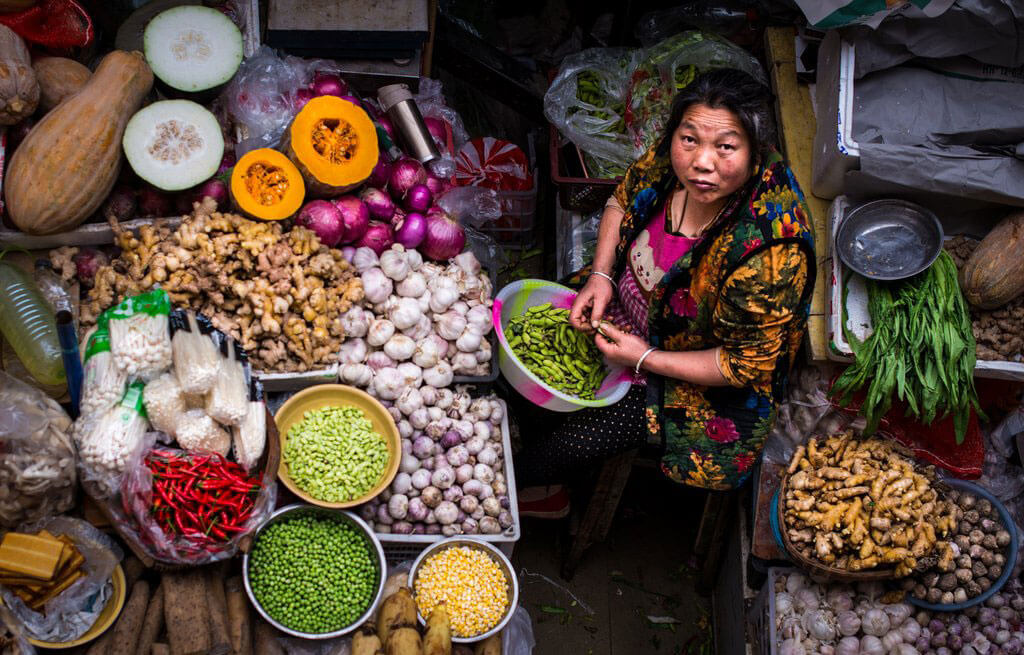
Whether you visit the local produce, jewelry, or other trinket markets, enjoying a stroll through a local market can give you a glimpse into the everyday life of the town. Watch as locals barter, unload their wares for sale, pick up ingredients for dinner, or a gift for a friend. If you feel so inclined, try buying something and enjoy the delightful, bumbling conversation that can ensue as you try to communicate.
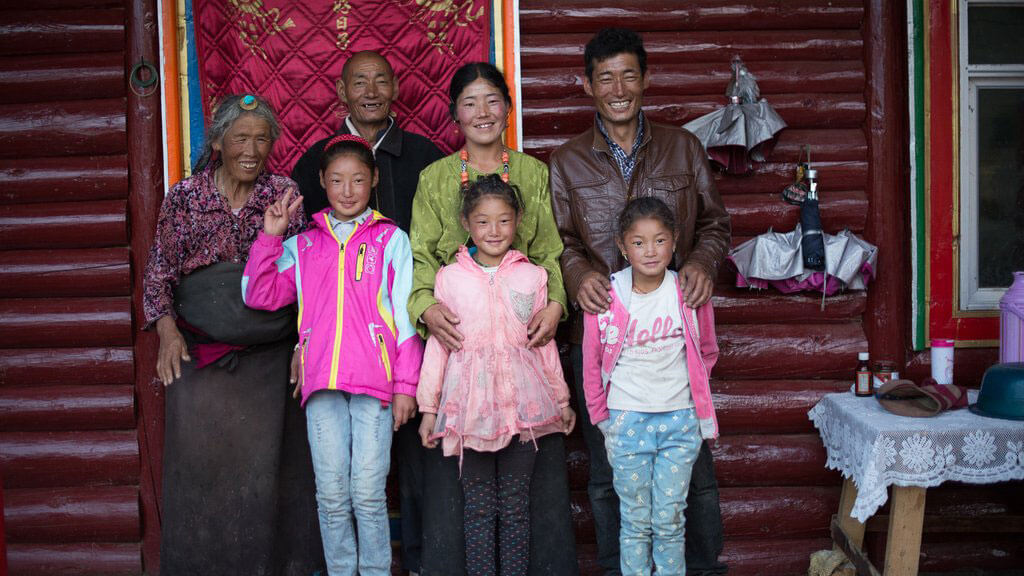
For an authentic and up-close look of Tibetan hospitality, stay at a local homestay. While language can be a bit more of an issue than at a regular hotel, the enjoyment of little interactions with your host can be so worth it! If you have some amount of communication with your host, sometimes you can convince them to let you help in the kitchen or to watch them cook. Maybe they will let you help them pick fresh fruit and veggies from the garden, or if you find yourself wanting to go for a walk, they know the best paths and the shortcuts to get wherever you are going!
Want to know more about some local homestays? Check out some of our Tibetan Small Business Highlights we host over on Tibetpedia.com.

Just like travelling anywhere, learning a few key phrases in the local language can go a long way! “Thank you”, “hello”, “goodbye”, and a few numbers can get you surprisingly far! However, in the Tibetan areas there are several main dialects, so ask a local what is the best thing to say. (Often neighbouring villages that speak the same dialects will even pronounce things slightly differently, so keep listening!)
One phrase you will often hear in all of the dialects is the common greeting “Tashi Delek!” If someone says this to you, feel free to respond back with your own enthusiastic “Tashi Delek!” and watch the smile spread across their face!
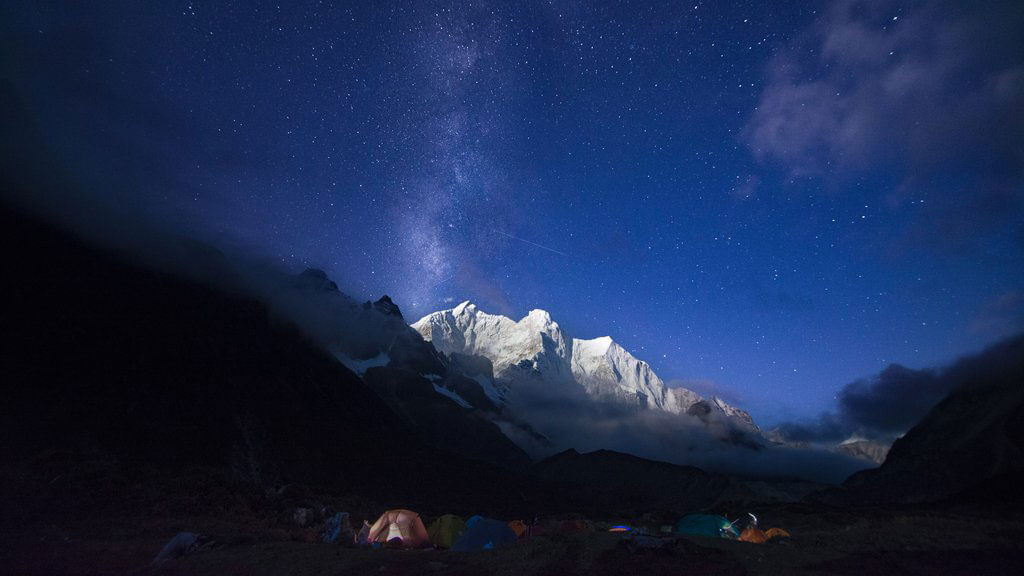
While you will often hear reference to Tibet’s vast blue sky over the grasslands, it seems to be less commonly mentioned to look up at the stars! Being on the Roof of the World at high elevation is perfect for stargazing. Some visitors even say they feel like they could just reach up and touch the night sky. As the Tibetan areas tend to be less densely populated, the light pollution is limited, making this a perfect opportunity to notice that the stars are positioned a little differently than from your view at home!
Ready to experience these things for yourself? Contact us about planning your bucket list tour now, or check out some of our upcoming tours that anyone can join.
While Tibet is known for its sweeping landscapes and awe-inspiring scenery, did you know that it also offers one of the most distinct and delicious cuisines?
What makes Tibetan cuisine so different is that it draws influence from neighbouring countries such as India and Nepal, while maintaining its unique character that’s reflective of the local climate and landscape. The high elevation of Tibet means that traditional Tibetan cuisine is also mainly based on dairy products (such as yak milk and cheese), yak meat, barley, and a few vegetables that can grow at high elevation (like potatoes).
We’ve narrowed down a list of our top 5 Tibetan foods below that you’ve got to try!
Tsampa is one of the staple foods of Tibet and is considered to be an essential part of every Tibetan’s daily diet. This roasted and ground barley flour is most commonly consumed by mixing it with butter tea in a bowl and formed it into small balls using your hands. Sometimes tsampa is also presented as an offering in the temples and during other religious ceremonies.

Momos are Tibetan dumplings which are filled with either yak meat or vegetables. With a skin typically made out of wheat flour, momos are usually steam cooked, but you can also find some fried varieties. While fillings vary between different meats and vegetables, they’re usually accompanied by a special chilli sauce that give this meal a delicious kick!
Yak butter tea is another staple of the Tibetan lifestyle. This black tea uses milk, salt, and a good serving of yak butter mixed in. Some family recipes even include ground walnuts making this drink wonderfully satisfying on a cold winter’s day! If you’re a fan of bulletproof coffee, you’ll want to try this! Its salty flavor often catches first-time drinkers by surprise, and can make it seem more like soup rather than tea. Yak butter has a bolder flavor than cow’s milk or butter, and has a taste closer to goat milk or cheese, but a lot of the flavour depends on how salted or aged it is.
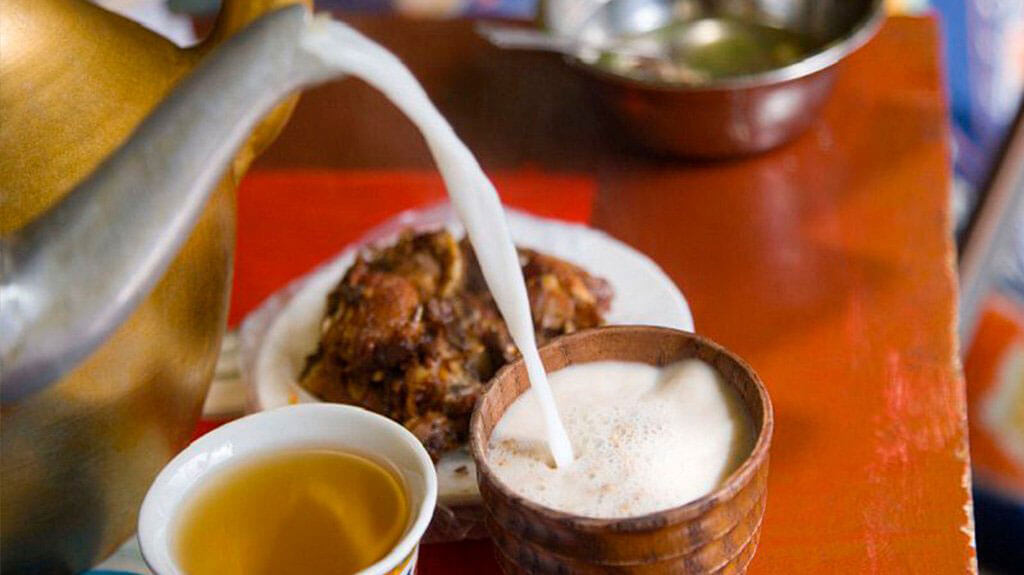
Yaks play a pivotal role in Tibetan life, as they serve many uses like transportation and food. Yak meat is the most popular protein eaten by Tibetans due to the size of each yak, with the meat of one animal often being shared between multiple families. While it shares a similar taste to beef, yak meat has a much more gamey flavour to it, and is naturally lean with a high protein content. It’s prepared and cooked in many forms—boiled, dried, stewed, and cooked into curries and momo fillings, to name a few! Feeling extra adventurous? Try Tibetan blood sausages or spicy yak jerky!

Originating in the Eastern Tibet, this noodle soup is Tibetan comfort food. Slurp on a hot bowl of thukpa on a cold day to stay warm in those higher elevations! The flavor of the dish varies depending on which region of Tibet you’re in, but is usually served with simple vegetables (like potato or cabbage), yak meat, and fresh handmade noodles! As you travel, watch for how different chefs prepare their noodles (i.e. hand pulled, rolled, cut with a knife), and see if you can learn something about your cook!
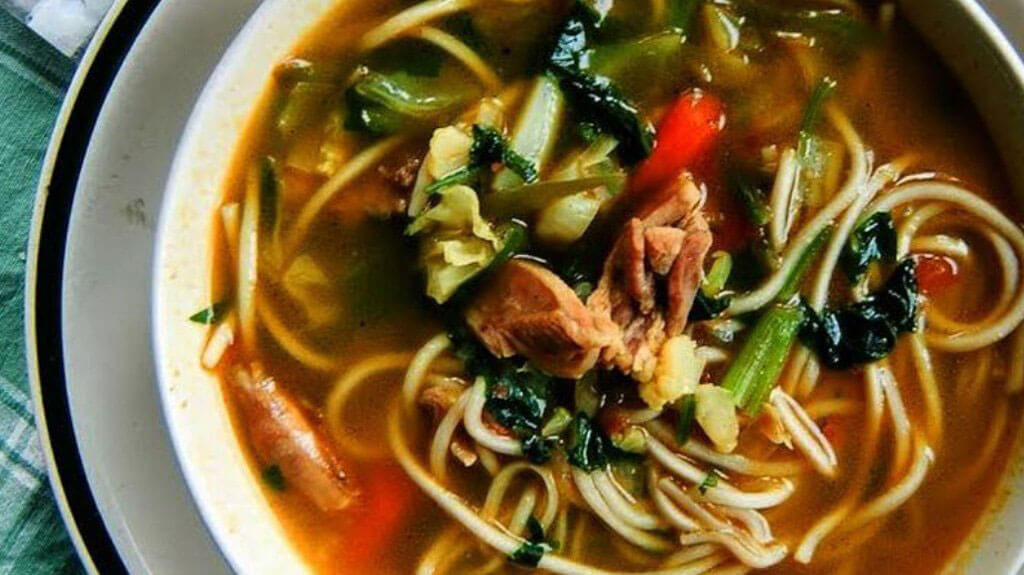
Ready to dig in? They say food nourishes the soul, so be sure to indulge in Tibetan cuisine on your next trip. Shoot us a quick message as we’d love to help with planning your trip to the Roof of the World.
From the iconic Mount Everest and beautiful glacial lakes, to unique and culturally-immersive activities, the list of incredible sights and experiences found in Tibet goes on and on. That’s why narrowing down the list and figuring out a Tibet travel itinerary can be difficult!
Here are some sample itineraries we’ve created to help you make the most out of your trip to Central Tibet, depending on how much time you have.
Only have a few days to spare in China? Don’t worry — that’s still enough time to squeeze in a visit to Lhasa with many of the key cultural and historical highlights Tibet has to offer!
Head out to the heart of the city, first visiting the Jokhang Temple. This UNESCO World Heritage site is impressive, to say the least. Aside from being a key destination for devout Tibet pilgrims, it also boasts impressive architecture that spans over an area of about 25,000 square meters.
Next, go for a walk through the bustling Barkhor Bazaar that surrounds the Jokhang Temple. Observe locals making crafts such as carpets and ornaments, and pick up unique souvenirs at this famous shopping street.
Begin your day with a leisurely stroll through another UNESCO World Heritage site — Norbulingka. The central attraction of this 89 acre flower garden and park area is the Norbulingka Palace, the traditional summer residence of the Dalai Lamas.
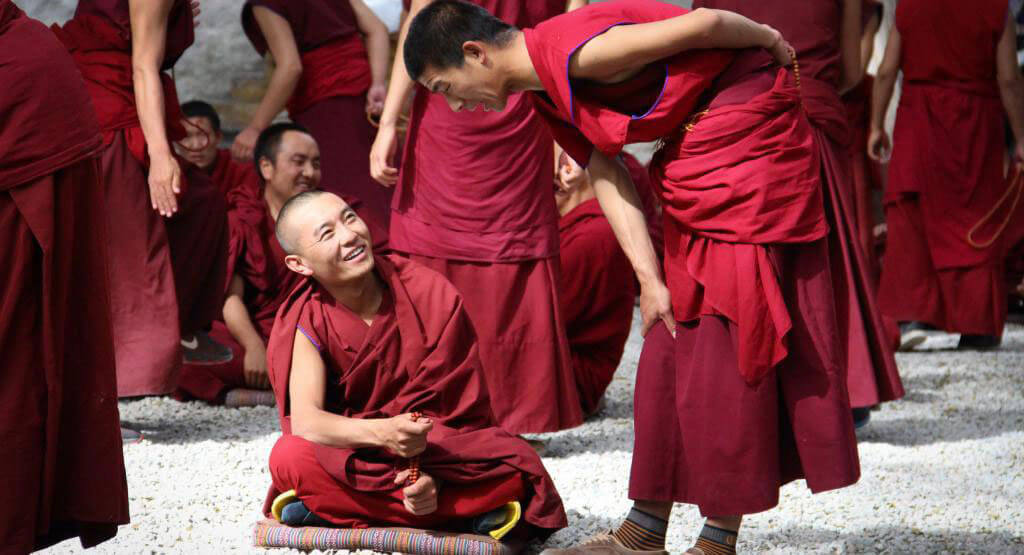
Just a short drive away is the Sera Monastery, located at the foothills north of the city. It is one of Tibet’s great religious institutions which, at its prime, housed 5,000 monks. The main attraction of the Sera Monastery is the debates! On weekdays, between 3 and 5pm, monks can be seen practicing their philosophy through religious debates. You don’t want to miss this entertaining and uniquely Tibetan experience!
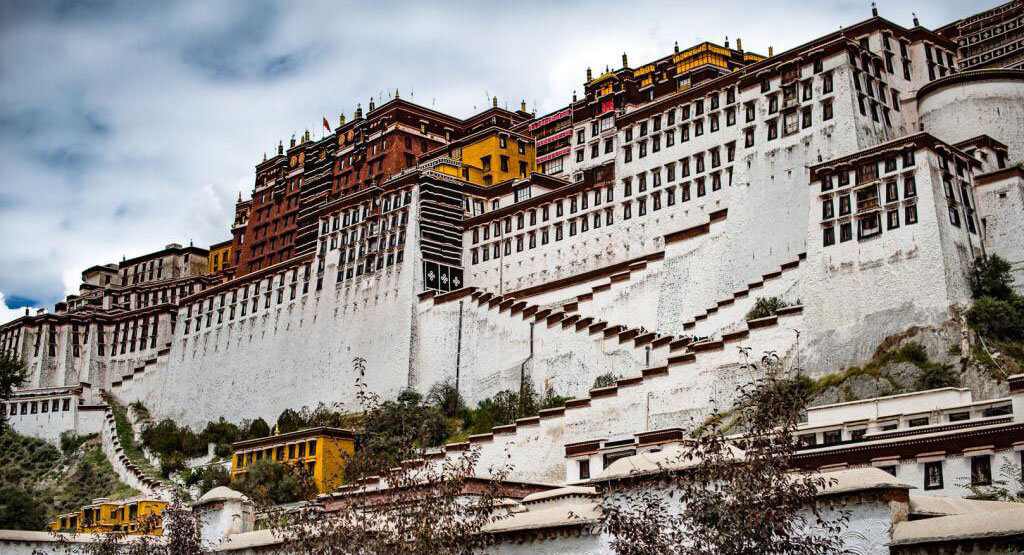
Kickoff day 3 with a tour of Potala Palace, the former winter residence for Dalai Lamas. This 17th century palace was a construction feat: it’s built on top of a cave and is comprised of over 1,000 rooms, 10,000 shrines, and 200,000 statues!
Following your tour of the Potala, head over to Drepung Monastery. Historically considered to be the most significant monastery of Tibetan Buddhism, the Drepung Monastery houses seven colleges, each teaching different aspects of the religion.

On your final day, drive along the Friendship Highway to Kamba-la Pass. It’s a popular viewpoint that offers panoramic views of the pristine Yamdrok Lake. The vibrant turquoise waters of the lake are a stunning sight to behold.
If you’ve ever dreamed of visiting Everest, this itinerary is for you! This travel itinerary takes you through the highlights of Lhasa, then all the way to stand in the shadow of Everest!
The first 3 days of your trip will be identical to the 4-day itinerary, where you’ll explore the key attractions of Lhasa including Jokhang Temple, Barkhor Bazaar, Norbulingka, Sera Monastery, Potala Palace, and Drepung Monastery.
Make your way from Lhasa to Shigatse via the Friendship Highway. Along the way, be sure to stop by the Kamba-la Pass for panoramic views of the stunning turquoise waters of Yamdrok Lake. Continue along to the other side of Yamdrok Lake for incredible views of the Karola Glacier before reaching your destination for the day, Shigatse.
The next day, continue along the Friendship highway as you travel towards New Tingri. This town is often used as a base for travellers en route to Everest Base Camp.
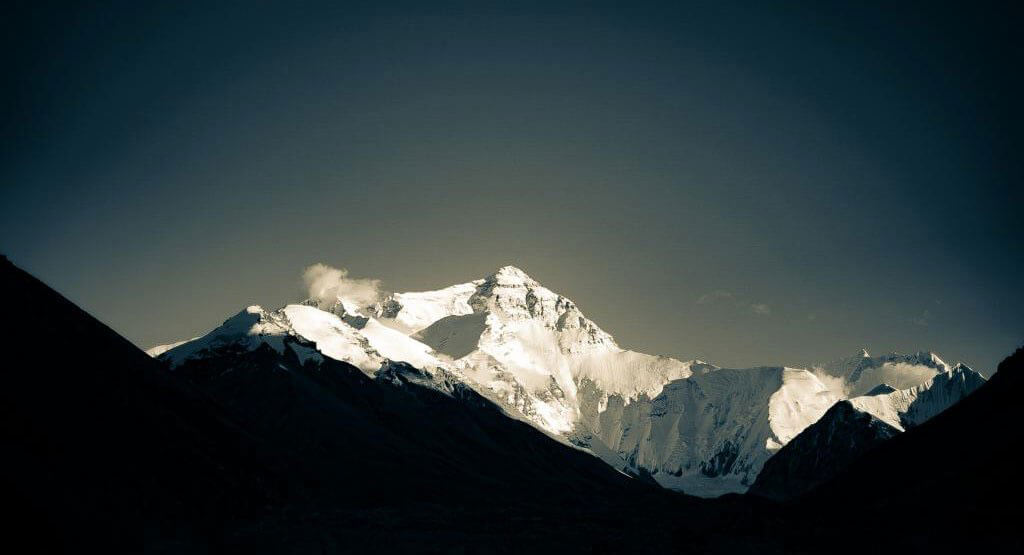
The day you see Mt. Everest is finally here! Winding your way upwards through the mountains, your destination is Rongbuk Monastery - the highest monastery in the world! From here you can enjoy the view of Everest’s north face as you check an amazing item off of your bucket list!
Been hearing stories in the news about Everest being closed? Learn more about how this affects you.
Having realized your dream of visiting Everest, it’s now time to return to Shigatse via the Friendship Highway. The following day, you’ll head from Shigatse back to Lhasa. This drive will take you along the Yarlung Tsampo river, and offer views of idyllic Tibetan farming villages.
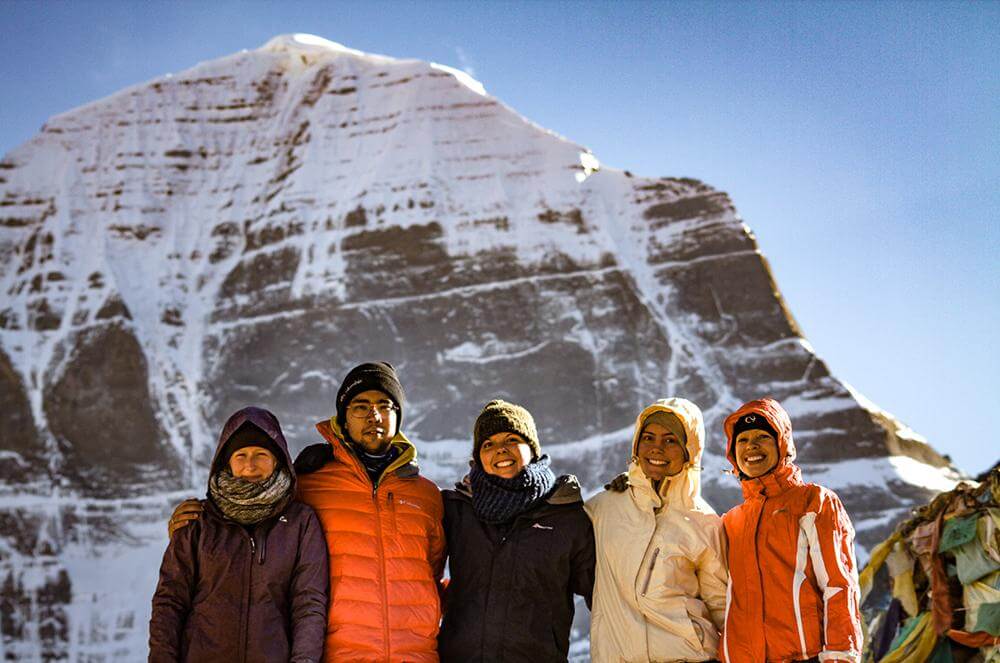
Are you an active traveller looking to hike the renowned Mount Kailash? Want to explore the awe-inspiring Roof of the World? Cross both off your travel bucket list with this travel itinerary!
The first 3 days of your trip will be identical to the 4-day itinerary, where you’ll explore the key attractions of Lhasa including Jokhang Temple, Barkhor Bazaar, Norbulingka, Sera Monastery, Potala Palace, and Drepung Monastery.
Travel along the Friendship Highway and stop by the Kamba-la Pass for jaw-dropping panoramic views of Yamdrok Lake. The vibrant turquoise waters of the lake are a stunning sight to behold. Continue along to the Karo-la Pass for incredible views of the Karola Glacier, situated on the other side of Yamdrok Lake. Continue your journey along the Friendship Highway to Shigatse, Tibet’s second largest city.
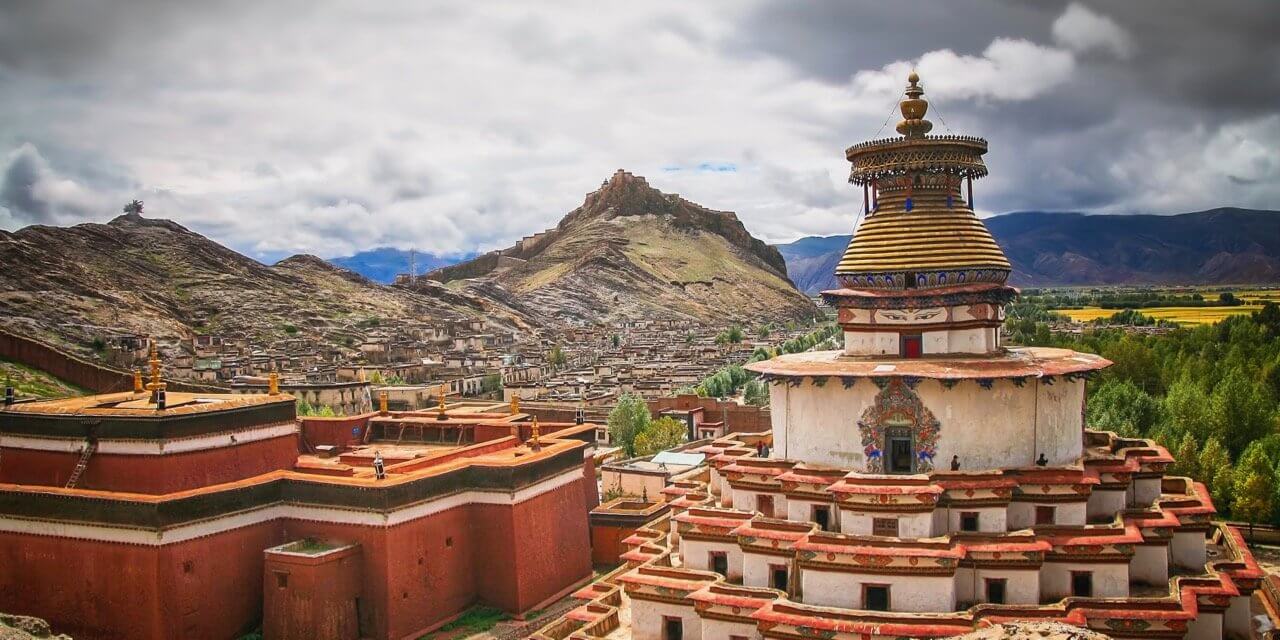
Your first pit stop in Shigatse on day 5 is Tashilhunpo Monastery, one of the four great monasteries of Central Tibet. Explore the grounds and join local pilgrims for a kora (a circuit) around the monastery. Afterward, enjoy a visit to the nearby Shigatse Dzong, an impressive hilltop fortress that perches above the town.
Today will be spent primarily on the road as you travel from Shigatse to Saga. Your drive across the Tibetan plateau will be rewarded with scenic views, including grasslands, emerald lakes, and the Raka Tsangpo river valley.
Another day of driving will take you along the Tamachok Tsangpo River that stretches across Tibet from west to east. You’ll pass the rolling foothills of the Himalaya that are juxtaposed with the contradictory geography of sand dunes. Catch the sunset over the remote Lake Manasarovar as you approach Darchen in the evening.

Mount Kailash is a place of considerable spiritual power and religious heritage. It is held to be one of the most religiously esteemed places on Earth. Spend the next several days completing the Kora (circumambulation) around Kailash alongside hundreds of pilgrims. This incredible hike will immerse you in beautiful landscapes while you reach elevations as high as 5,600 m (18,500 ft)!
Having accomplished the Kora, retrace your steps back to Saga. Allow your body to rest during the drive in preparation for your next stop: Mt. Everest.
Today, you’ll make your way to the jewel of the Himalayan range. On your way up to Mt. Everest, you’ll pass the beautiful turquoise waters of Peiku Lake. Stay awake past sundown to enjoy a striking display of stars that can only be enjoyed at this elevation on Earth!
Been hearing stories in the news about Everest being closed? Learn more about how this affects you.
Catch a bus ride up to Rongbuk Monastery and catch some awe-inspiring views of Everest’s north face in the morning, before heading back towards Shigatse in the afternoon.
The following day, you’ll head from Shigatse back to Lhasa. This drive will take you along the Yarlung Tsampo river, and offer views of idyllic Tibetan farming villages.
Have we piqued your interest yet? Drop us a message for details on upcoming trips to the Roof of the World. Extravagant Yak specializes in providing rich and authentic travel experiences in Tibet and we’d be excited to help you arrange your dream trip!
Springtime cherry blossoms in Japan; winter skiing in the Swiss Alps – these are just a few iconic examples of how the changing of the seasons play an important role in travel plans.
Travelling to the Roof of the World is no different. From summer mountain biking on the back side of Yala Mountain, to witnessing the annual Saka Dawa festival in the spring, the season in which you visit Tibet can influence the activities and experiences you’ll include in your travel itinerary.
Here’s a rundown of how Tibet travel differs across the seasons and some insider recommendations on the best times of year to visit to satisfy your interests.
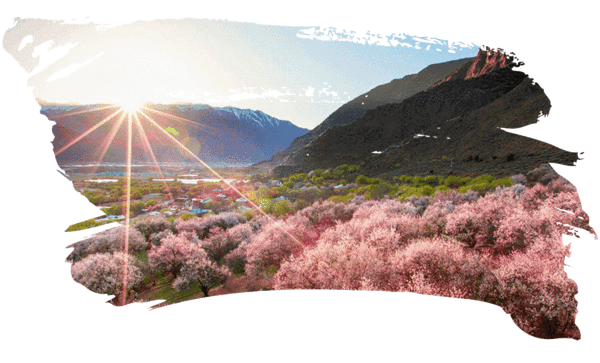
Central Tibet reopens to foreigners in early April to the commencement of peak travel season, which then runs all the way till end of October.
Springtime is an extremely popular time to visit Tibet as temperatures are mild and there is little rain. These conditions allow for spectacular views of the Himalaya range and are why May is the peak season for climbers to attempt Everest.
Spring is also a good time to take in the region’s other natural wonders including the peach blossoms in full bloom near Linzhi and the pristine Yamdrok Lake.
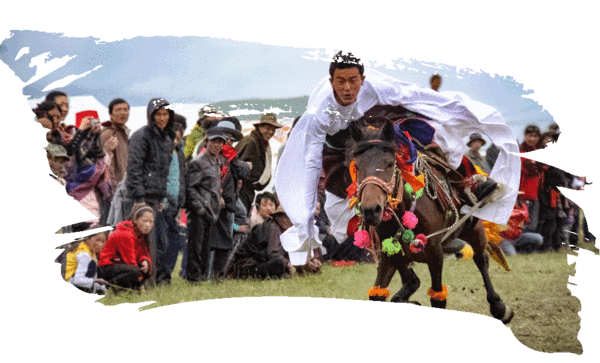
Summer is the busiest travel season, and it’s easy to see why: the warm weather makes for easy travel and transport, and the air has a higher oxygen content, making it easier for foreigners to acclimatize and lessening their chance of altitude sickness.
There are also a wide variety of cultural events that take place, including Sho Dun Festival, Ganden Thangka Festival, and many Horse Festivals. The Tagong horse festival in particular, is a sight to behold and a highlight for many Extravagant Yak tourists. During this annual celebration, thousands of local herdsmen participate in horse races as spectators cheer on and celebrate with games, singing, and dancing.
Monsoon season begins mid-June and usually runs till August, which means these months are generally cloudier. If you’re trekking in the mountains during monsoon months you may not get clear, panoramic views. However, this is also the time when the alpine flowers bloom and the mountains are lush with greenery.
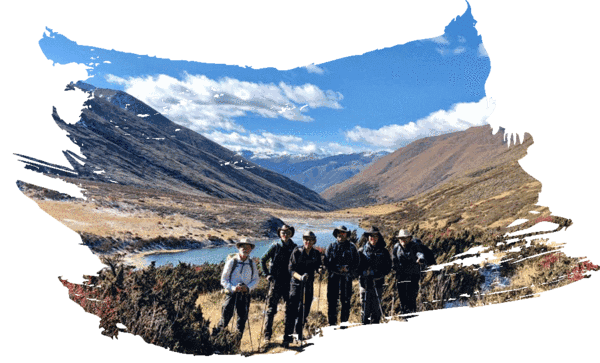
Come autumn, sweeping foliage transforms the region into a stunning landscape of red and gold hues. Rainfall decreases in September and the weather generally remains pleasant throughout October. These make for excellent hiking conditions, so if you’d like to fit some trekking in to your travels, this is a great season to do so! Some of our guests’ favorites include trekking the Minya Konka and exploring the Ambalay grasslands while enjoying an Eastern Tibet Nomad Experience.
The autumn season also brings the harvest festival, a celebration of the year’s crop harvest. Join the locals and participate in the potato and highland barley harvest in Kham (Eastern) Tibet.
From November onwards, the weather starts to cool down, and the peak travel season tapers off.
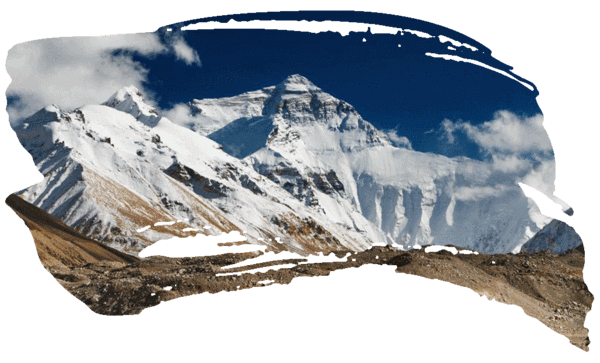
Very few people visit Tibet in winter, making this a good time to visit if you’re looking to avoid tourist crowds. Thrifty travellers can take advantage of low season rates, as hotel prices and entry to many locations are also heavily discounted. This also means that fewer group tours are available, so private tours are a good option to consider!
The weather during the winter months is typically dry, sunny and very cold. Most places (including Everest Base Camp) can still be visited, with the sunny weather usually allowing for clear views from Everest Base Camp. However, destinations including Nam Tso Lake, Mt Kailash and other trekking routes may have limited or no access depending on snowfall.
It is important to remember that Central Tibet, where Lhasa and Mount Everest are located, is closed to foreign tourists annually in February and March, so be sure to plan accordingly!
One more thing: When planning your visit to Tibet, remember to factor in VISA processing times. Check out this article to learn all you need to about how to get a Tibet travel permit.
While there’s no bad time for a trip to the Roof of the World, keep these considerations in mind to ensure that you visit all your bucket list destinations and make the most out of your trip.
And on that note, let’s get planning!
We’re here to help you build the itinerary of a lifetime. Get in touch with us with your travel wish list.
Here at Extravagant Yak, excellent service and cultural authenticity lie at the heart of what we do. Our experienced and knowledgeable guides play a pivotal role in delivering authentic experiences and are passionate about showing travellers all that Tibet has to offer. This month, we asked a few of our guides to share their favorite off the beaten path destinations in Tibet. We’re excited to present these must-visit locations when visiting the Roof of the World, as suggested by those who know the terrain best.
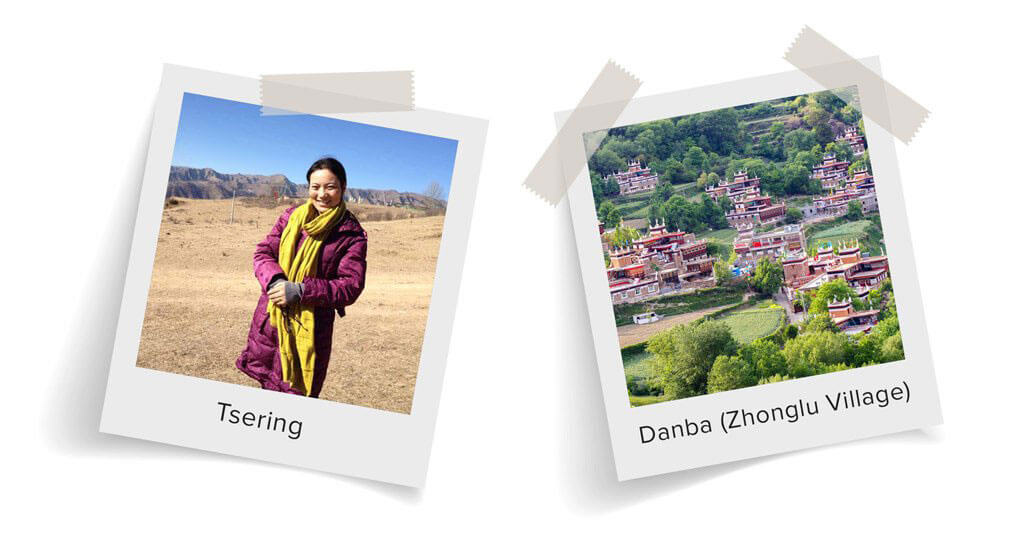
Why you need to visit: My favourite place has to be Danba in Kham Tibet Region. Danba is a very beautiful and peaceful place. There are so many local Tibetan villages we can visit. I love Zhonglu village the most because of the gorgeous view, traditional architecture, dress and harmonious life of locals and nature. Zhonglu village is located on a hillside and it has one of the astonishing views. We can do some hikes around the villages and we can try to do some farming work.
Local Tibetan people are so friendly and welcoming. I enjoyed chatting and dancing with them. Different seasons have unique and different sceneries. It will never disappoint you whenever you go. I remember one of our English clients wanted to buy a house there. The client said: “I have been so many places in the world, but Danba is one of the best places I have even been”. The altitude of Danba is 1800 meters, so locals can grow so many vegetables. We can eat organic food everyday. I feel so happy and healthy whenever I go there.
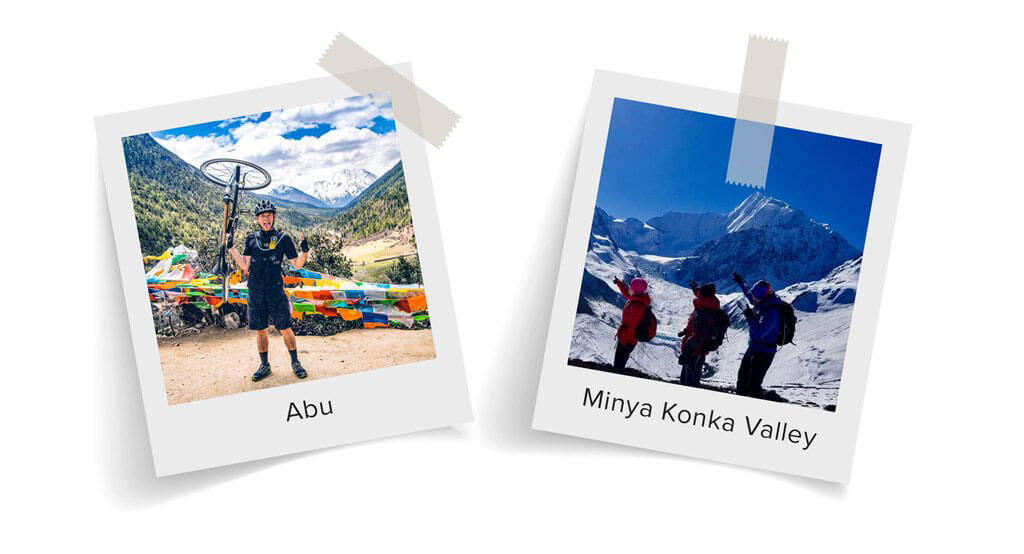
Why you need to visit: My favorite place to visit has to be the Minya Konka valley, where most of our trekking and mountain bike trips happen. It’s a peaceful valley with forests, snow peaks, glaciers, lakes; occasionally you will have the opportunity to meet a nomad family who is herding their yaks deep below the high mountain passes. Minya Konka sits on the eastern edges of the Tibetan plateau, in the Kham region south of Kangding, and is a 7,556-meter mountain that has everything to offer for an adventure tour. The reason I enjoy it so much is not only because of its natural beauty but also the outdoor experiences it presents. Being able to feel a sense of achievement after each trip is a truly significant.
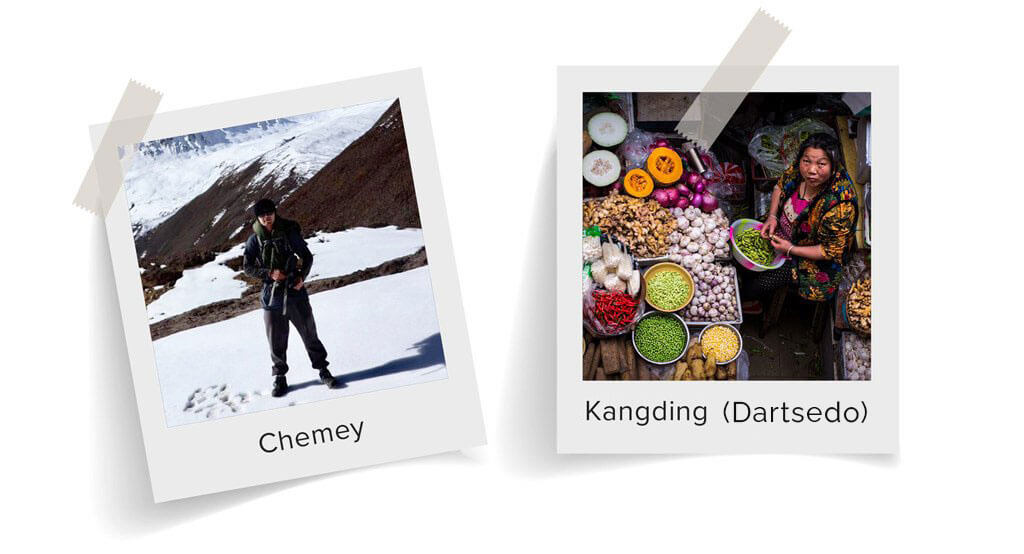
Why you need to visit: I personally loved living, working and visiting in Kangding (Dartsedo), because I have learned lots of things there. Dartsedo has always been the gateway to the Tibetan World. It is the largest city and capital of Ganzi, Tibetan Prefecture, in western Sichuan Province. Dartsedo has a very cozy atmosphere. Our visitors and international tourists love trekking, hiking, and camping, etc. In there, you can see the snow-capped peaks rising above the North side of Migoo Tso, and monks walking out of Dorjee-drak monastery. Of course, there are many other things to see such as stupa, lakes, forests, mountains, hot springs, Tibetan Buddhist rock paintings, and grasslands. Our customers are able to experience beautiful sceneries, marvelous fascinating landscapes, and untouched nature. On top of that, it is famous and historical with a rich culture. So far, It is one of the top tourist destinations. People there are awesome and friendly. Therefore, Kangding is everyone’s paradise.
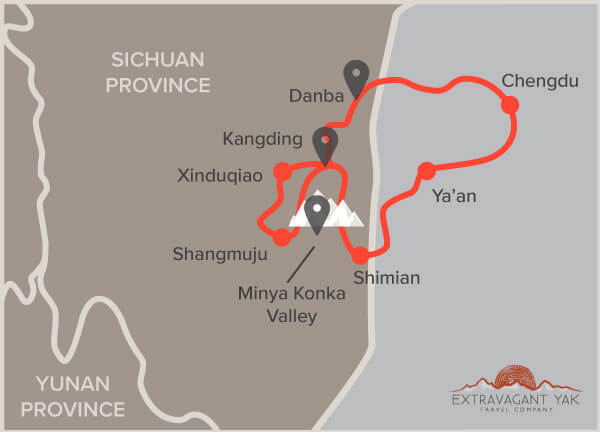
Feeling inspired yet? This year, cross Tibet off your travel bucket list. Five of our freesale trips stop by these must-visit locations and we’d also be happy to arrange private tours customized to your needs! Let us help plan your trip today!
It’s often said that the journey is just as important as the destination - this statement certainly holds true when travelling to Everest. The journey from Lhasa (the main port entry for tourists visiting the Everest Base Camp from Tibet) to Everest Base Camp is filled with spectacular views and historical monuments dating back thousands of years.
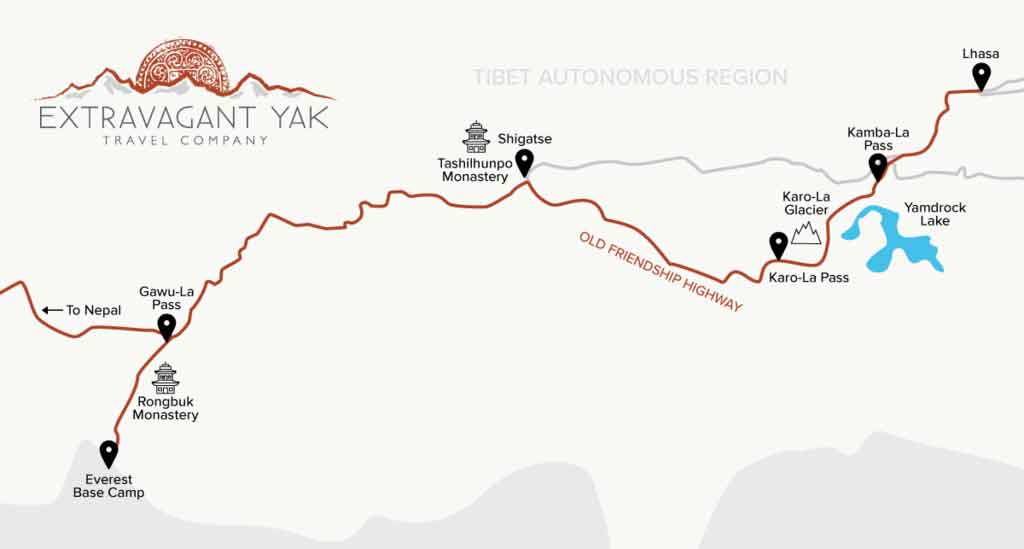
Visitors heading from Lhasa to Everest Base Camp will likely travel via the old Friendship Highway, which is around 800 kilometers long and takes roughly two and a half days to drive. It can be done faster if you take the new highway to Shigatse, but the views the old highway have to offer more than make up for the extra 4-5 hours of driving. You will also want to consider travelling with the company of a local Tibetan guide who can highlight everything that these locations have to offer.
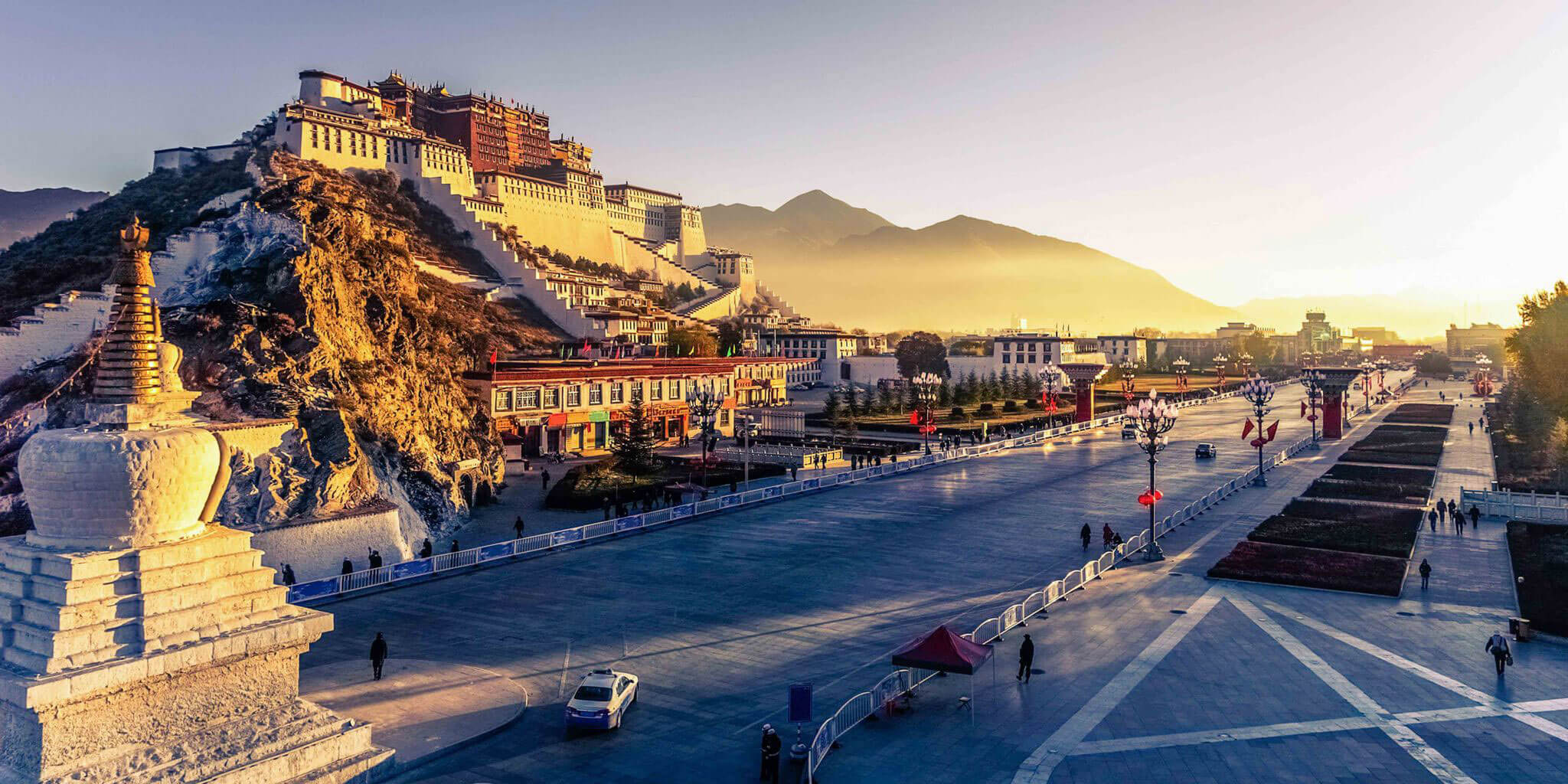
Lhasa itself is home to three UNESCO world heritage sites–the Potala Palace, Norbulingka, and Jokhang Temple. The Potala Palace served as the winter residence for the Dalai Lamas, and is famous for its magnificent architecture and stunning palace grounds. Just a kilometer away lies Norbulingka Palace, the former summer palace for the Dalai Lamas that is famous for its beautiful and well-preserved flower gardens.
Also within walking distance to Potala is the Jokhang Temple, which is easily distinguished by its iconic golden roof. It is a massive monastery that spreads over an area of about 25,000 square meters and is widely considered to be the most sacred temple in Tibet.
Surrounding Jokhang Temple is the Barkor Bazaar. Walk down the cobblestone road and observe Tibetans making their crafts using traditional methods. Barkor Bazaar is a great place pick up souvenirs and goods (like yak butter) that you won’t find anywhere else! While you’re there, be sure to stop by Metok Karpo for a taste of authentic Tibetan foods and flavors.
The Kamba-la Pass is a popular viewpoint for those travelling along the Friendship Highway. It overlooks the majestic turquoise gem of Yamdrok Lake and offers spectacular panoramic views of the pristine lake. Numerous streams from nearby mountains feed into the lake, giving it it’s unique shape and earning it the alternate name of Coral Lake by locals. On the other side of Yamdrok Lake is the Karo-la Pass which, at the summit, offers views of the immense Karo-la Glacier.
The journey along the Friendship Highway will lead to Shigatse, the second largest city in Central Tibet, with a population of over 700,000. It is most famously known for Tashilhunpo Monastery, one of the four great monasteries of Central Tibet. Inside the highest temple, a huge statue of the Maitreya, the Future Buddha, can be found. It is the largest bronze Maitreya in the world and is a sight to behold. A tour of the monastery grounds also leads to the Shigatze Dzong, a fortress that overlooks the town.
The view from Gawu-la Pass is incredible. At 5,198 meters above sea level, the Gawu-la Pass viewing platform provides the first panoramic views of Mount Everest and the Himalayan giants. Colorful Tibetan flags decorate the area, framing the sweeping mountain ranges beautifully. This makes for a great photo op!
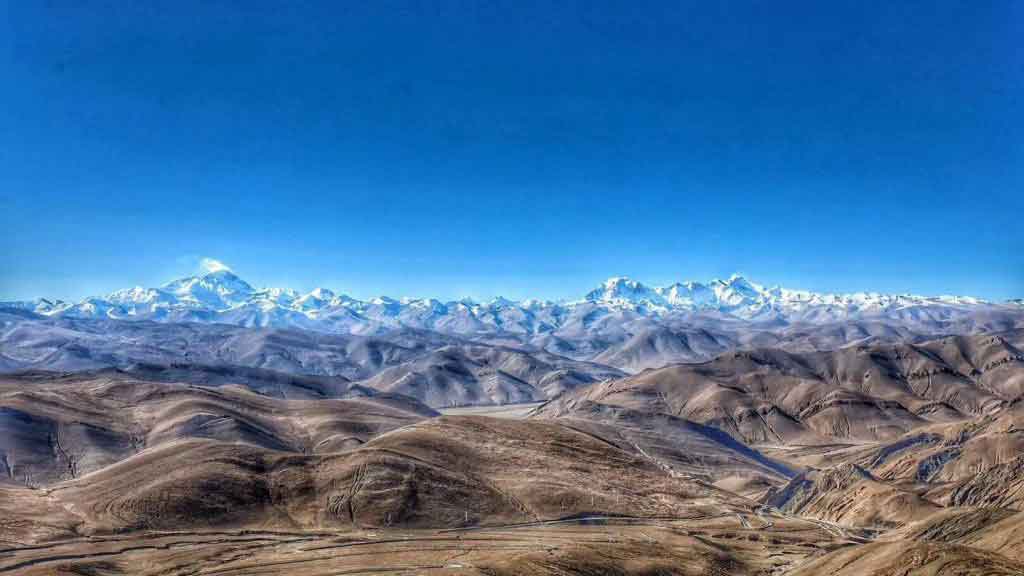
Robngbuk Monastery lies just 8 kilometers from Everest Base Camp and is the highest monastery in the world. Inside, the walls are adorned with beautifully painted murals, while the observation deck provides dramatic and unobstructed views of Everest.
Ready to embark on the trip of a lifetime?
Let us help you plan your trip to this majestic wonder of the world. We have 8 trips travelling along this route and are happy to customize tours to best suit your needs!
Something is wrong. I can tell by the flight arrival board that my photo tour group has arrived long enough for them to go through customs and get their bags. By now they could have even stopped for a leisurely meal. I’m standing on tip toes and craning my neck just in case they didn’t go to the other exit gate.
Then I see him by the baggage carousels—Ron Nickel, the Digital Media instructor for Prairie College in Alberta, Canada, waves his hands. He approaches. The rope barricades keep about 40 feet between us. Ron yells, “our bags didn’t make it.” (Not a great way to start a tour in Tibet). We fill out forms and cross fingers (that the bags arrive before we leave Chengdu in two days). Then, our fourth annual Prairie Digital Media Eastern Tibet Photo Tour commences as we head to the hotel. Despite missing their bags because of a too-tight connection in Beijing, the group is in high spirits.
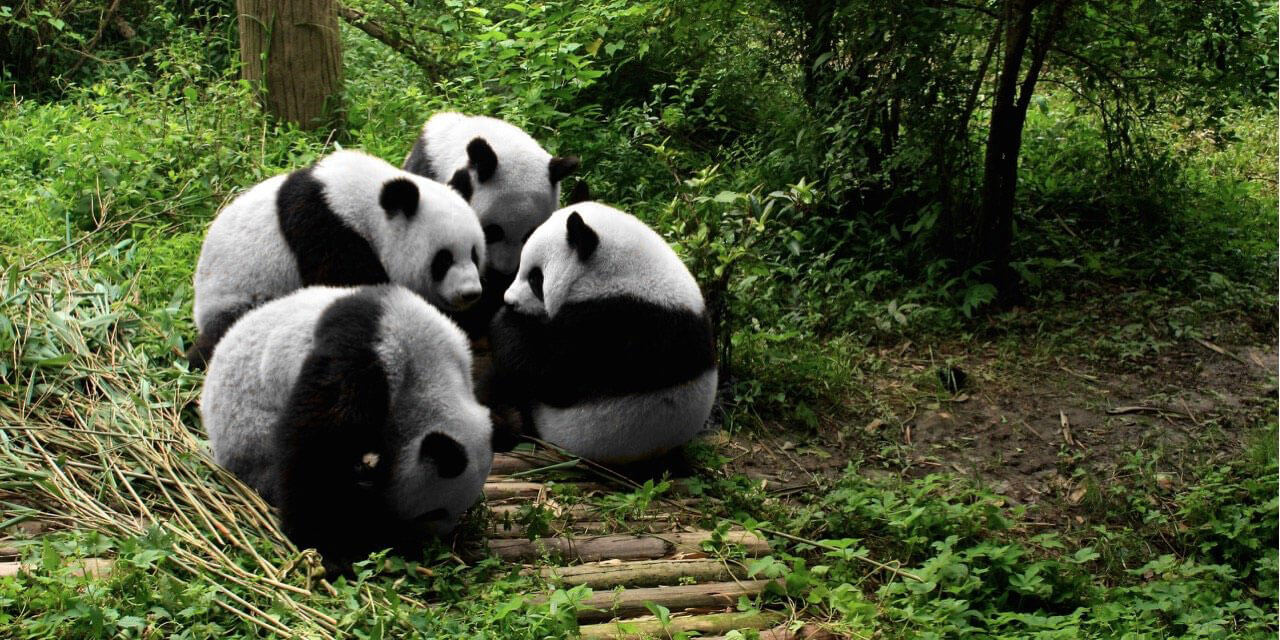
The hotel is warm, welcoming and serves an amazing international buffet breakfast. So, after a good sleep and hot shower, the group is cheerful and excited for the Giant Panda Research Breeding Center tour scheduled for the morning. Throughout the day our operations manager calls the airport every couple of hours. Still no bags. We plan to leave the next morning for Kangding.
We hit Jinli Walking Street for hotpot and Sichuan Opera dinner-theater style. Even after seeing it dozens of times, the face changing performance amazes and bewilders me. Just like that, we are kids again at a magic show. Delighted and slightly overwhelmed by the sensory overload of the Jinli commercial atmosphere, we weave through tens of thousands of tourists who have descended upon Jinli for the May 1st holiday. My phone rings. The bags are at the hotel. Relief.
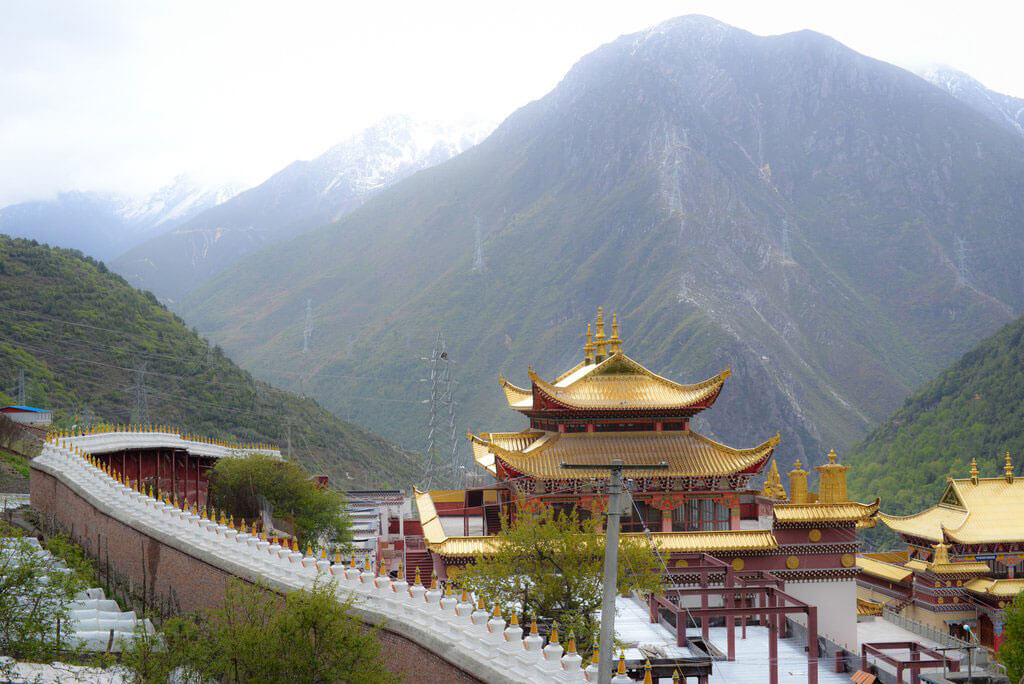
The next morning, we load the van and sing “The Greatest Showman” tunes on the way out of Chengdu. Spirits are very high. A Million Dreams and expectations flutter through our imaginations of what we may encounter when we reach Eastern Tibet.
Thanks to a newly constructed highway from Ya’an to Kangding, our driving time is kept to under four hours. This is Ron Nickel’s fourth trip and he and I are the only ones who know how fast four hours is. Four years ago, the same leg took 13 hours due to a landslide and traffic accident. The song Come Alive keeps us dreaming with our eyes wide open as we pull into Kangding.
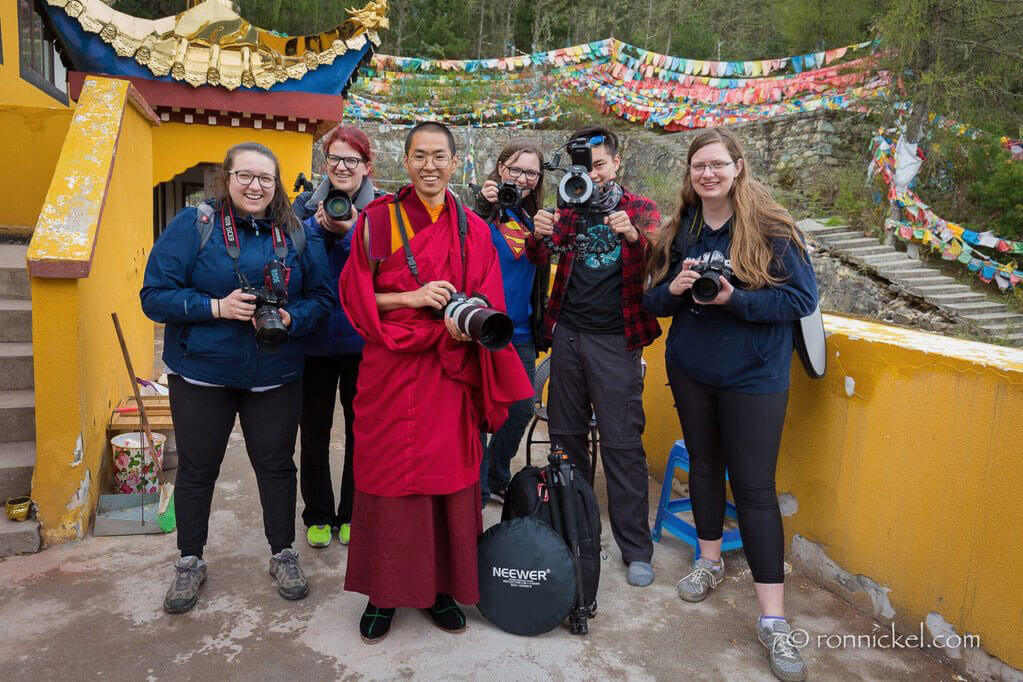
The next day we hear there is a monk who has recently graduated from Harvard and is keeping the temple on top of Paoma Mountain. Through Kris, our friend at Zhilam hostel, we schedule a time to interview him, but the climb up the mountain stairway proves that most of us do not yet have our “altitude legs” under us.
We arrive over an hour late to our appointment. But Shamba is still smiling as we arrive haggard and catching our breath. Shamba is a handsome man in his late twenties and graciously forgives our tardiness. He gives us a brief tour of the temple and then takes us up to the roof for a breathtaking view of Kangding. It feels like we’re Walking a Tightrope. Shamba turns out to be an avid photographer. Ron and he geek out for a bit on camera bodies and lenses and then he sits for a quick photo shoot.
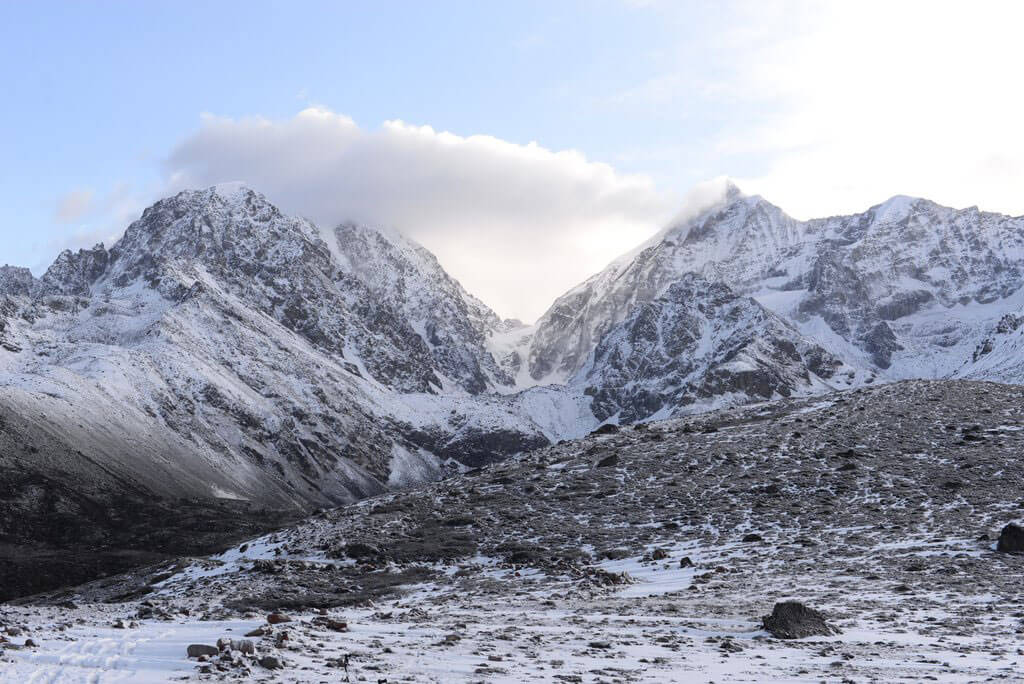
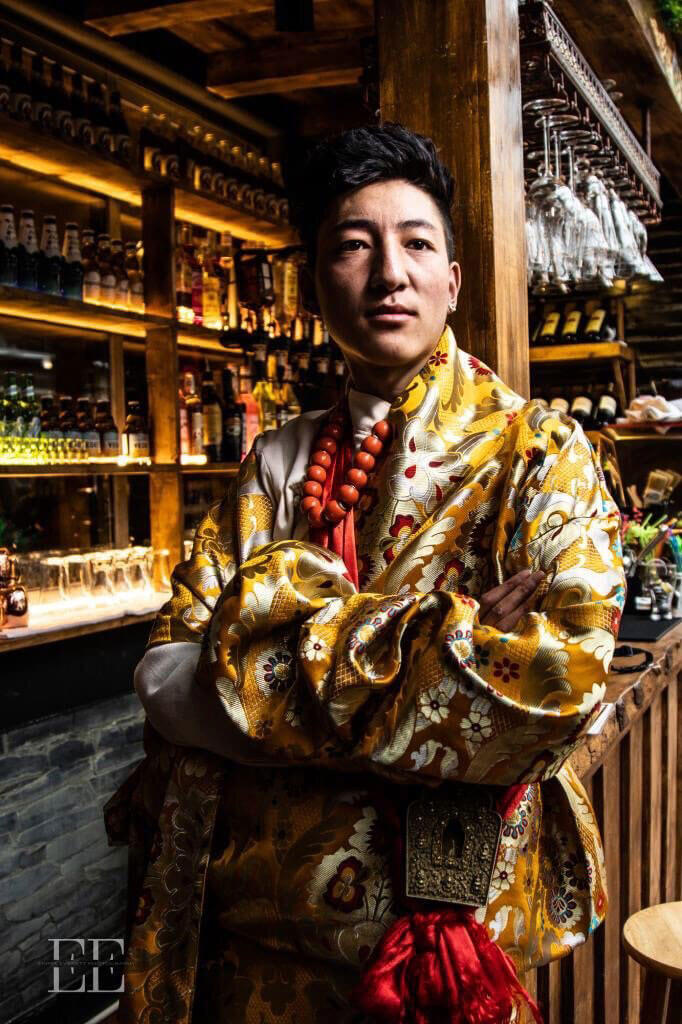
The next morning we rise early (4:30am!) to drive up to the Yajiagen pass for a sunrise shoot of the mountains. Negotiating lack of sleep for the promise of great time-lapses in the cold feels a bit like getting the short end in The Other Side, but proves to be totally worth it! That afternoon, the staff at Zhilam hostel help us arrange a couple of Tibetan models to sit for a photo shoot.
We find a beautiful, old, abandoned, broken-down house that works really well for a backdrop. It starts to rain just as we get set up, so we quickly run down the hill to a new Tibetan guesthouse below the monastery. The glassed-in atrium is a perfect plan B.
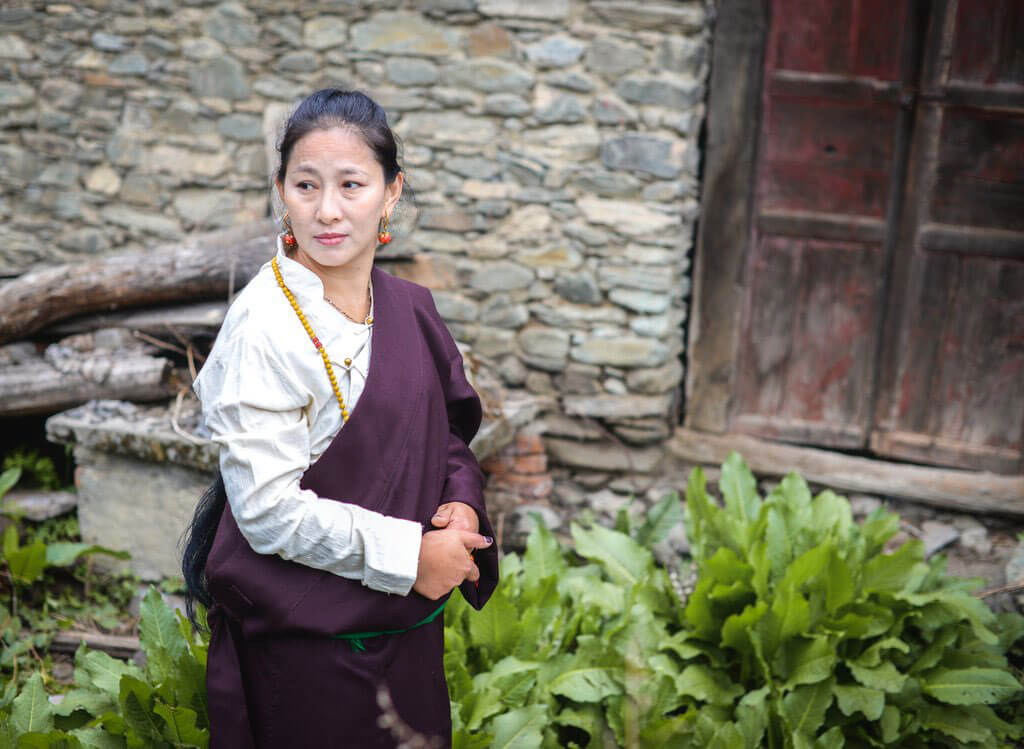
After two days in Kangding, feeling full and acclimated, we drive out to Tagong in search of our next adventure. The pass takes us up past 4200 meters. Come Alive beckons us to reach for the sky and to keep dreaming with our eyes wide open. With our eyes wide open, we see Mt. Gongga on the horizon. The peak emerges for about 40 seconds from surrounding thunderclouds—enough time to snap a few pixelated iphone shots.
We zoom past an old man on the side of the road and Ron yells, “Stop!…Turn around. I want to talk to that man.” I obey and somehow turn my 8-passenger van around on the narrow road with ditches on both sides. The man is a 67-year-old Khamba nomad and is selling yoghurt.
I translate for Ron, “These photographers would like to pay you to take your photo. Is that ok?” The man smiled an enthusiastic yes and quickly shuffled into his little hut. “Where is he going?” Ron asks. “I don’t know,” I reply. After a few moments, the old man comes out wearing his sheep wool Tibetan coat. Now Ron is smiling, “Perfect.”
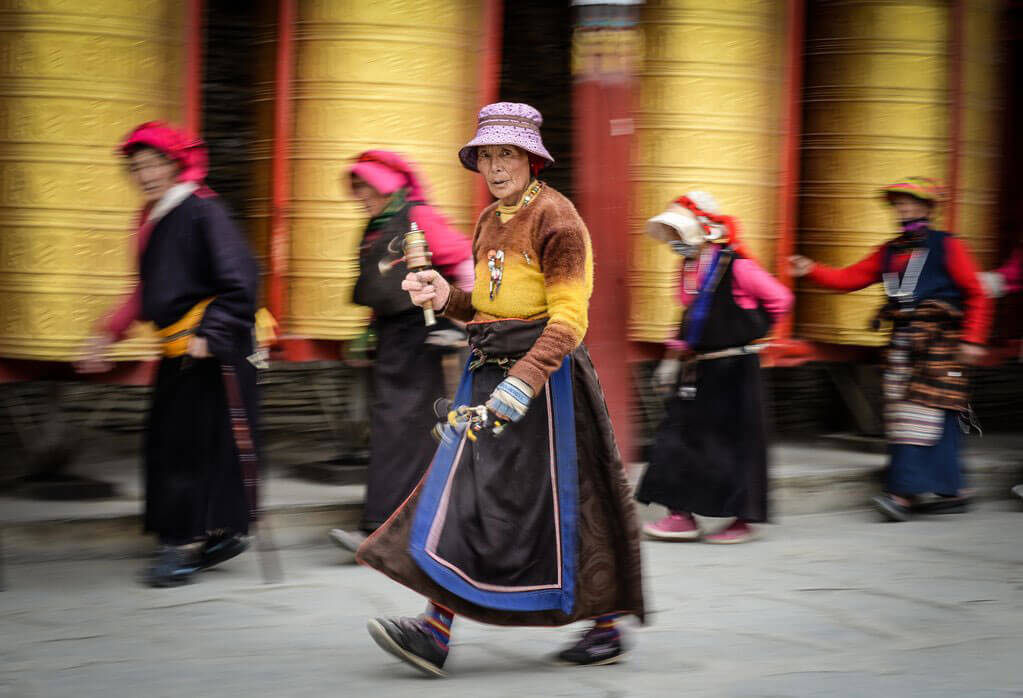
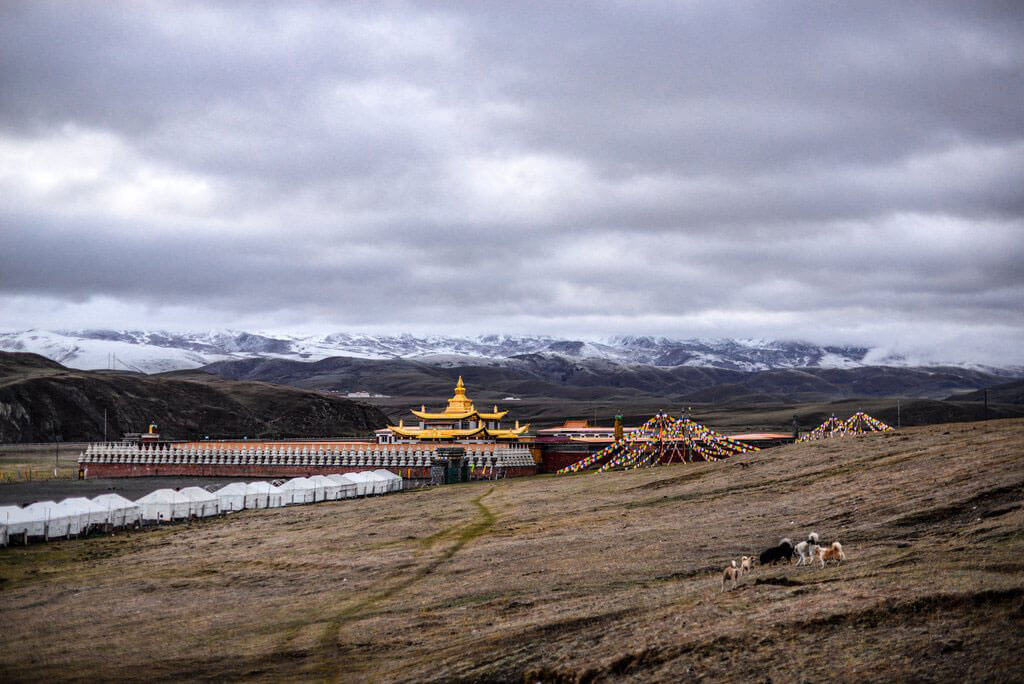
The next morning, we rise stupid-early, to catch the sunrise over the golden-roofed temple in Tagong. Somehow, Never Enough echoes through my head as we hike up the Tagong hill in the brisk cold of the dark morning: “towers of gold are still too little…”
Khamba Cafe proves to be an excellent spot for a western breakfast. Orders of fried eggs sunny-side-up, toast, bacon, and crepes show up on our table accompanied by steaming cups of hot tea and coffee. A most welcome breakfast. We are all sunny-side-up now.
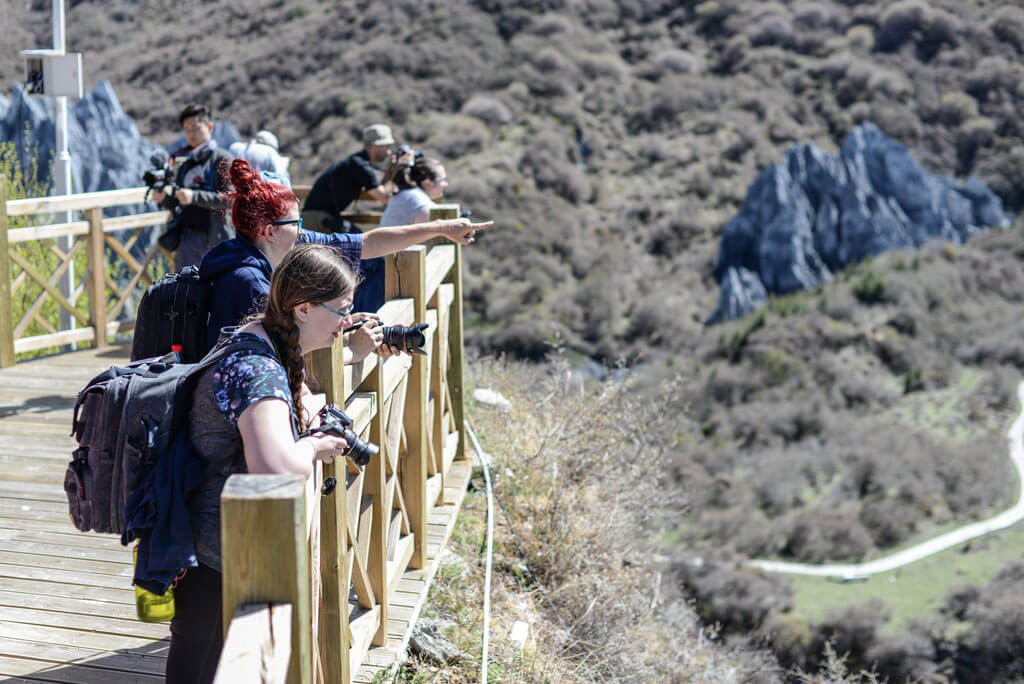
On our way out of town, we stop by the Black Stone Forest National Park. The park has only been open for one year. The wooden bridge walkways still appear new and carry us right into the heart of the Emyn-Muil-esque forest of purply rock outcroppings. Every angle is a beautiful photo op.
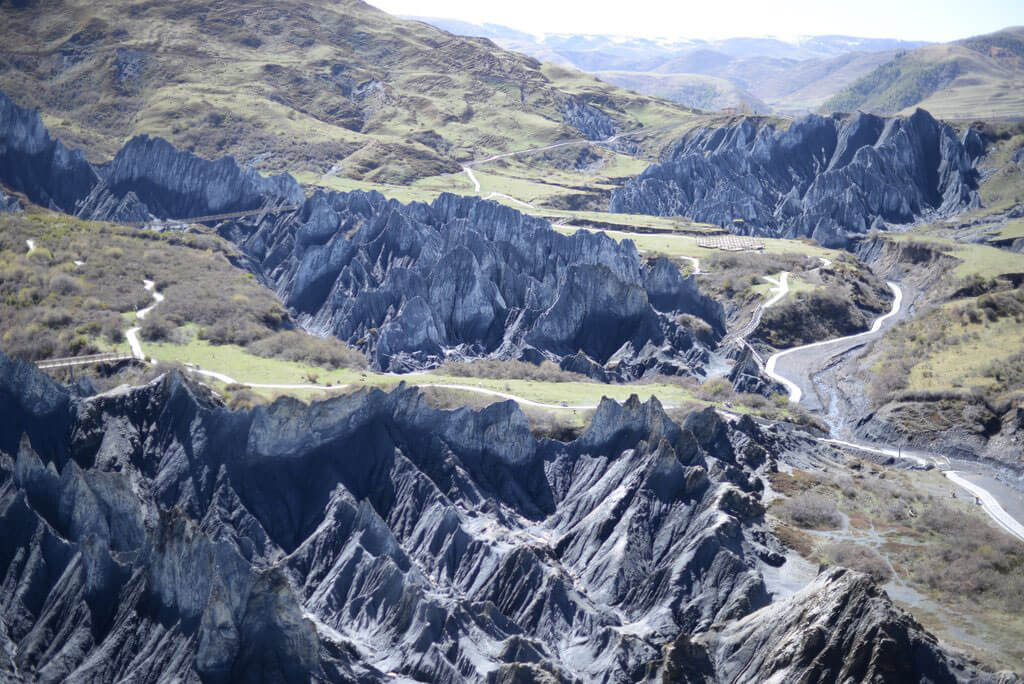
We hop back in the van and continue toward Danba. About an hour outside of Danba, we stop beside a swimming hole. We discovered the spot last year and Ron says it was one of his highlights. He came prepared this time with a bathing suit.
Nervous about undressing my less-than-chiseled frame in front of others, I remember the lines to This is Me, “I am brave, I am bruised [or chubby around the waist], this is who I’m meant to be,” and finally work up the courage to jump into the still-thawing snow melt…and then immediately yelp like a six-year-old girl as I clumsily scramble out of the water before hypothermia sets in. The shock and the rush of blood to my extremities gives me a sense of relaxed euphoria. We dry off, hop back in the van, and play Come Alive again. Totally worth it.
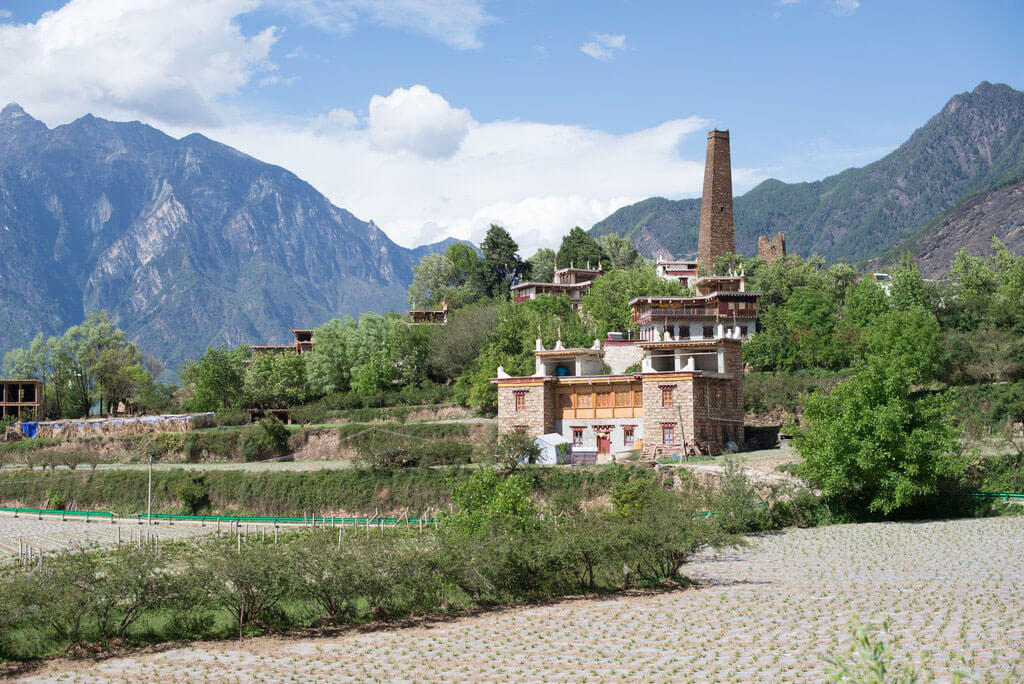
Danba is a little slice of heaven. It’s the good life. For a farmland town perched high above a river valley, the view is heavenly; the people, hearty; the food, healthy. Ageh, our guesthouse proprietor assures us there are no GMO’s, no harmful pesticides and no hormones given to animals. We believe him because the food leaves you feeling refreshed and satisfied with no sluggishness afterwards.
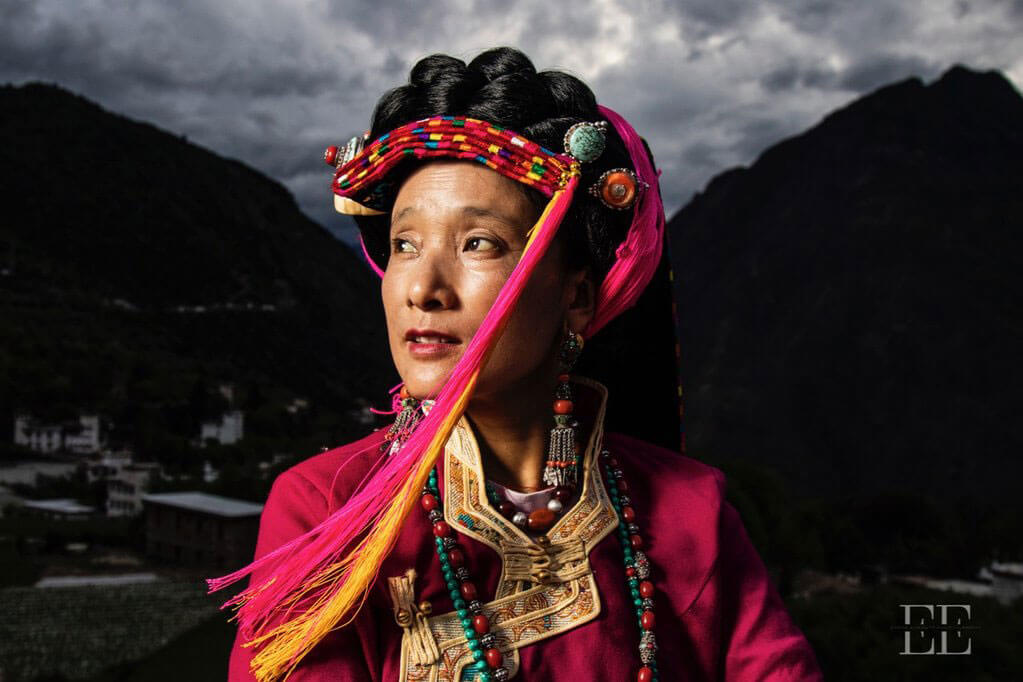
In the course of a meal, our appetites get recalibrated. Who knew that a day in Danba would redefine “food” for us. Ageh’s sister-in-law agrees to be a model for a photo shoot at dusk on the rooftop. The photographers each have their turn shooting and holding flash umbrellas.
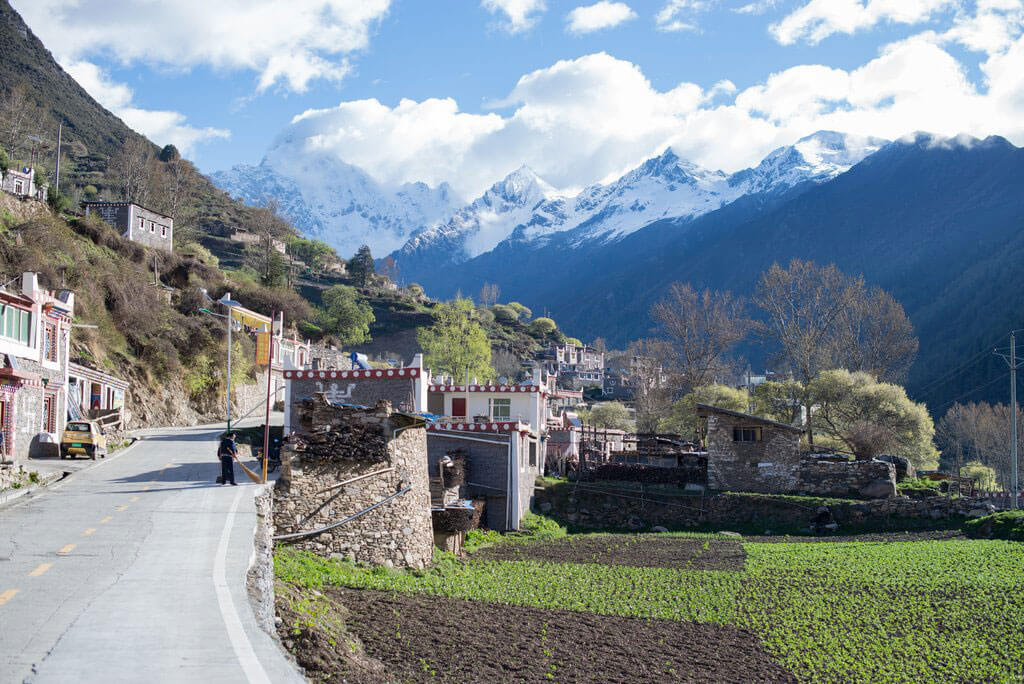
Our last full day is spent in Four Sisters Mountain Town in a newly developed boutique tourist section. Newly renovated boutique guesthouses, hostels and restaurants line the streets—all with a wood-log facade that reminds us vaguely of Whistler ski resort town in British Columbia. It’s cute. And still in development.
We catch private vehicles up to a ridge where you can see every snow mountain in a hundred miles in every direction. Some of us hike up to 4,500 meters for an even better view. It is both literally and figuratively the summit of our amazing ten-day journey through Eastern Tibet.
As we drive back to Chengdu, we sing From Now On, “And we will come back home. We will come back home…Home Again!” The four-hour drive goes quickly. We reward ourselves with a hefty meal from the Blue Frog in Taikooli. And, yes…it gives us all a food coma and fogs our memories of the heavenly manna from Danba.
After a light lunch the next day, we head to the airport, say our farewells and our see-you-next-years. The Extravagant Yak-hosted Prairie Digital Media photography practicum hits another home run and looks forward to doing it again in 2019.
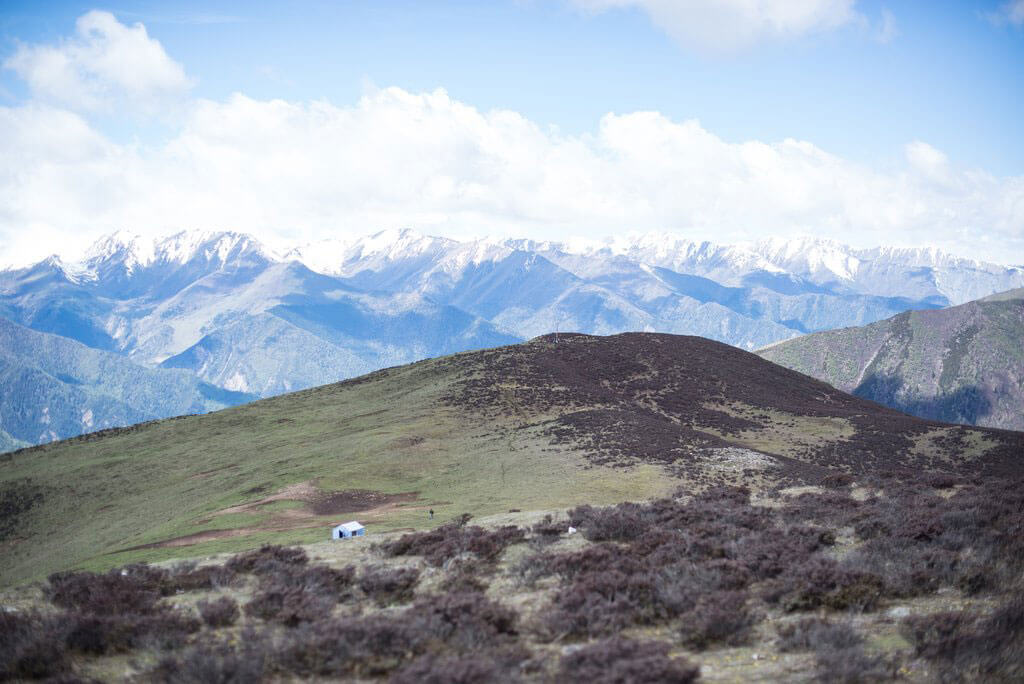
If you’re interested in joining an Extravagant Yak photo tour, exploring any area of Tibet, or just singing The Greatest Showman on repeat on beautiful mountain roads, contact us at info@extravagantyak.com.
Want to explore these areas yourself? Drop us a line at info@extravagantyak.com.
We've made the cover of Action Asia Magazine! The January/February 2018 issue has an amazing 10-page article, with words and photos from our clients Ryan Stuart and Ryan Creary, highlighting our exhilarating (and gruelling) Mountain Biking Backcountry Tibet tour. What an exciting honour to be featured here. If you're interested in experiencing this adventure for yourself click here for more information on how you can join our next tour in October of 2018. Click the cover below to read the full article.
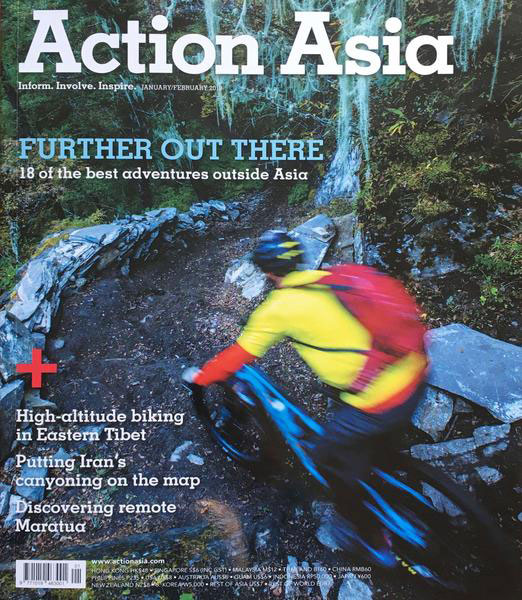
If you’re interested in joining our 7-day Mountain Biking Backcountry Tibet trip click here to learn more or drop us a line at info@extravagantyak.com.
In our low season, we always travel to different Tibetan areas to survey the newest travel-service businesses available and to develop new itineraries. This time our development trip to Shangri-la was a success. We met local entrepreneurs and build relationships with them. We visited local restaurants, hotel owners and guides.
Both Kelsang Phuntsok and Tashi are young Tibetan entrepreneurs who are the owner of Kelsang Desti Youth Park hostel and Boddhi Inn. We were fortunate to meet and interview them. We also had a pleasant stay at Boddhi Inn for a few days. Their stories along with more information regarding their businesses can be found on our https://tibetpedia.com website.
We hope visitors can enjoy their services and hospitality in the future. Both of them embrace the Tibetan ideals of benefiting other sentient beings as a core principle of their behaviour. Exchanging ideas with them and sharing the experience of our work with each other was exciting! We look forward to working with them in the future.
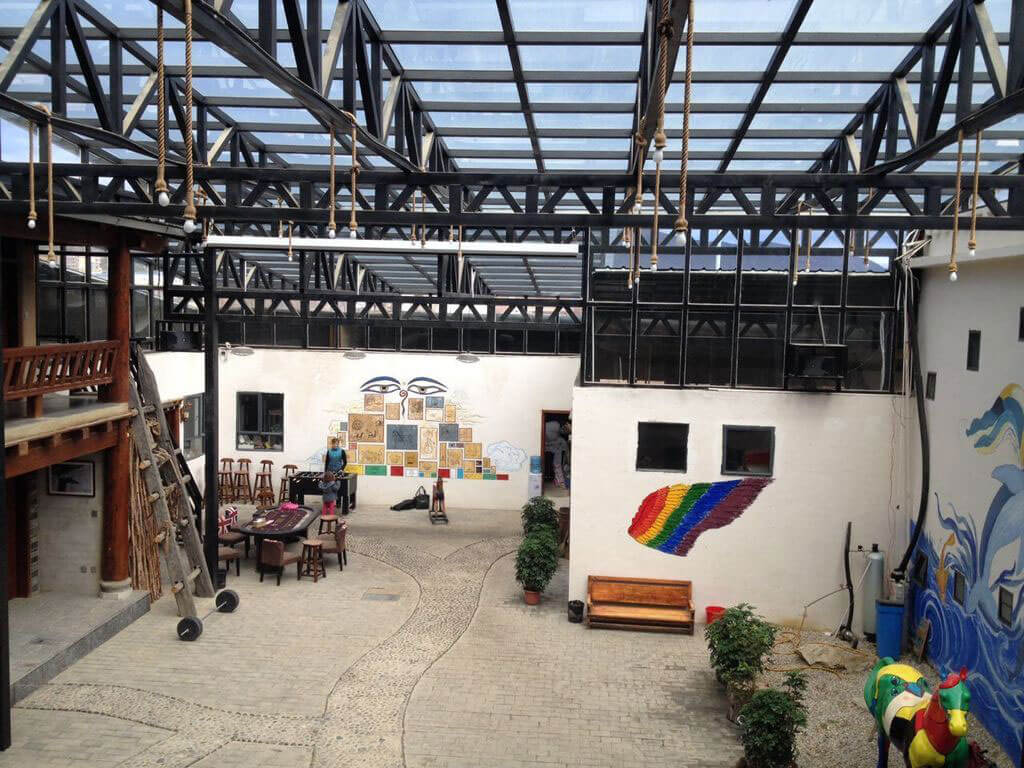
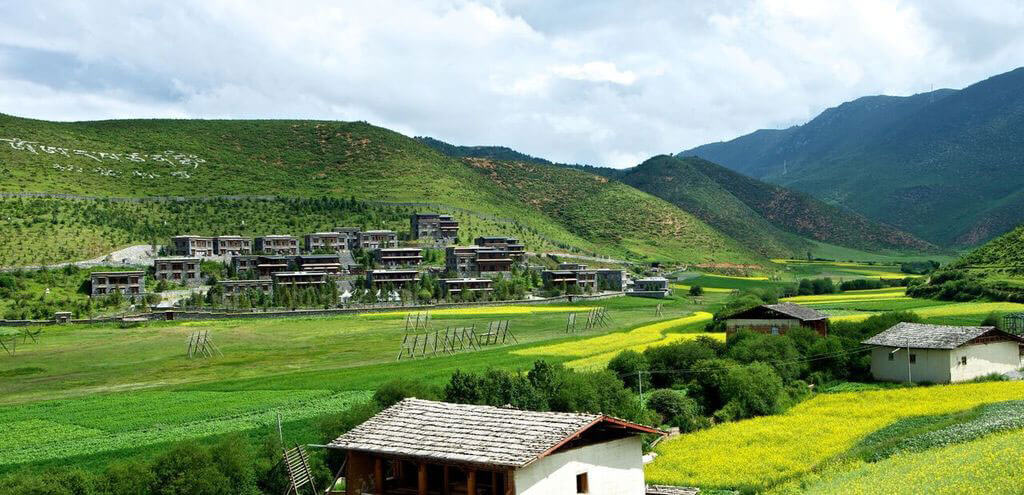
We also visited Peima Dorjie, the local Tibetan owner of Songtsan Lodge. In 2001, he opened a small guesthouse and since then he has grown as an entrepreneur. In the past 15 years, he has built 6 boutique lodges throughout the Kham and Lhasa areas. All of the lodges are away from the tourist craze, in the most beautiful and peaceful locations. Yet the environment of his lodges enables guests to engage with the local community and culture.
All of the lodges are located within or near a local village and are built using the same architecture like that of the local village. Most of the staff is from the local community. The mission of the business is to protect local culture, work alongside locals, and benefit locals. We are so excited to take our clients to this beautiful and luxury Tibetan lodge in the future.
We had a chance to eat delicious food at two local, Tibetan-owned restaurants. Kelsang and Tashi are from Shangri-la. Both of them used to work as guides in Shangri-la, but now they provide authentic local food through the restaurants that they run. Their most popular menu item is the local Tibetan hot pot. We enjoyed its unique flavour which was very different from Sichuan’s famous hot pot. I am sure our visitors will enjoy their food!
Suonam and Tashi have been working in Shangri-la as guides for many years. Suonam gave us a wonderful tour of Songtsan monastery, explaining its detailed history and culture. Tashi took us to Tiger leaping gorge and he took care of us very well. We were encouraged and motivated by their passion and energy for introducing their culture and land to visitors. They always try their best to make their client feel happy and comfortable. They are considered two of the most experienced and knowledgeable guides in their area of Tibet. We hope to partner with them during more tours in the future.
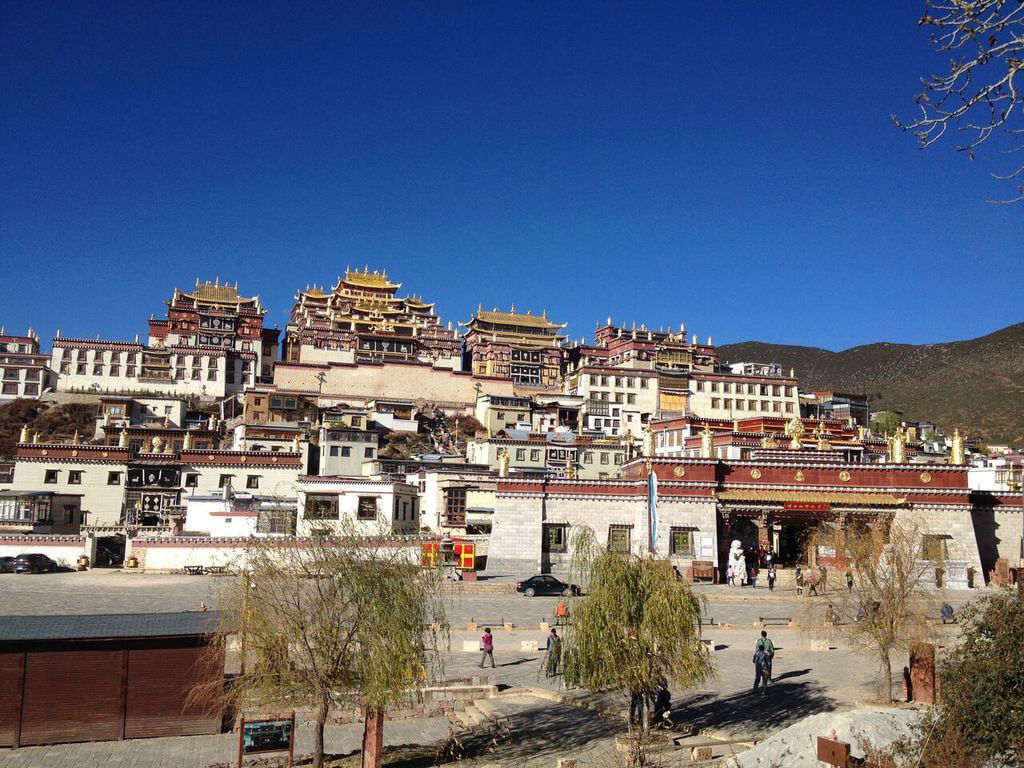
Our development trip to Shangri-la was fulfilling. We returned home with new friends and a passion to bring more guests to these new places!